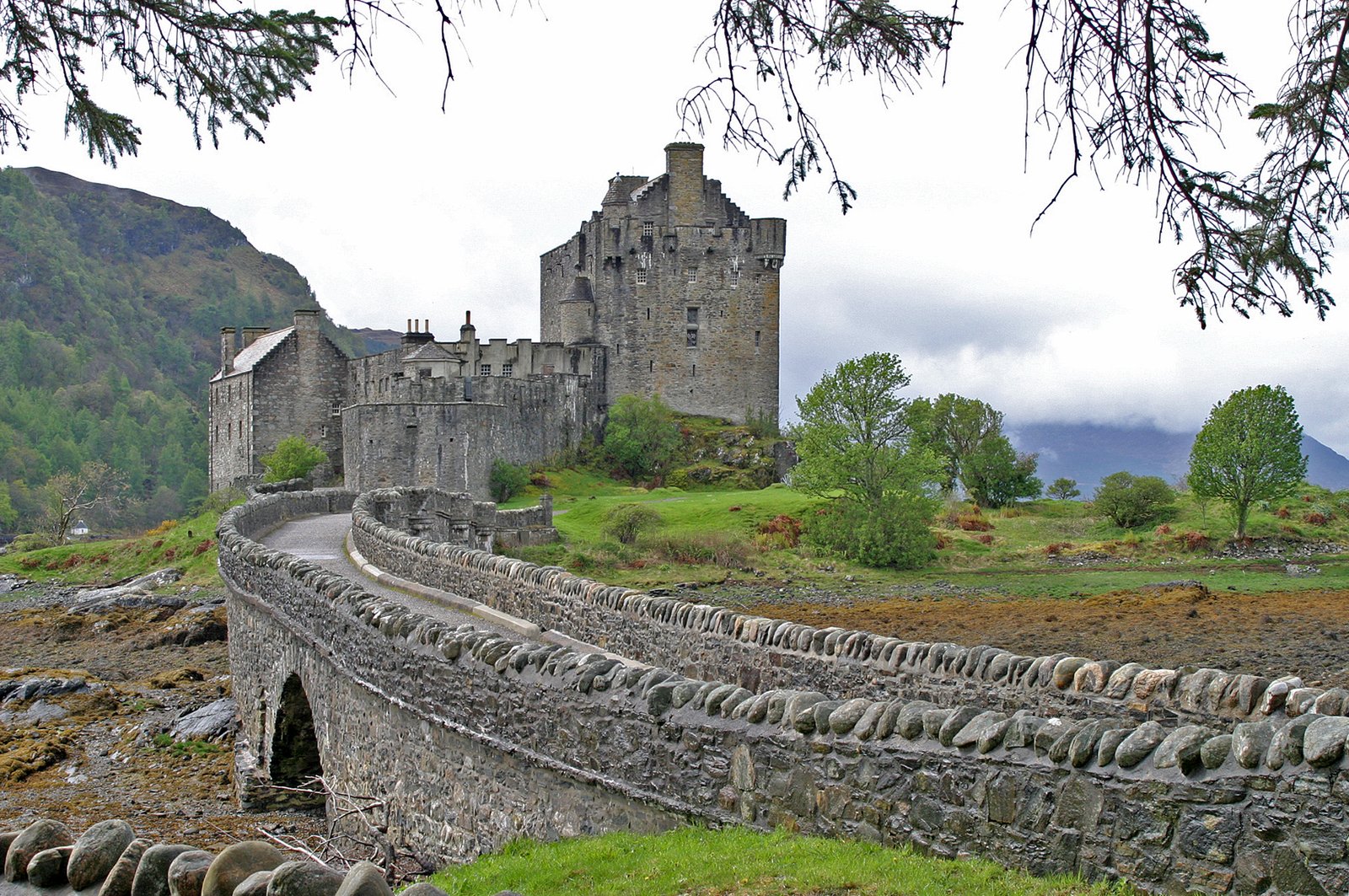
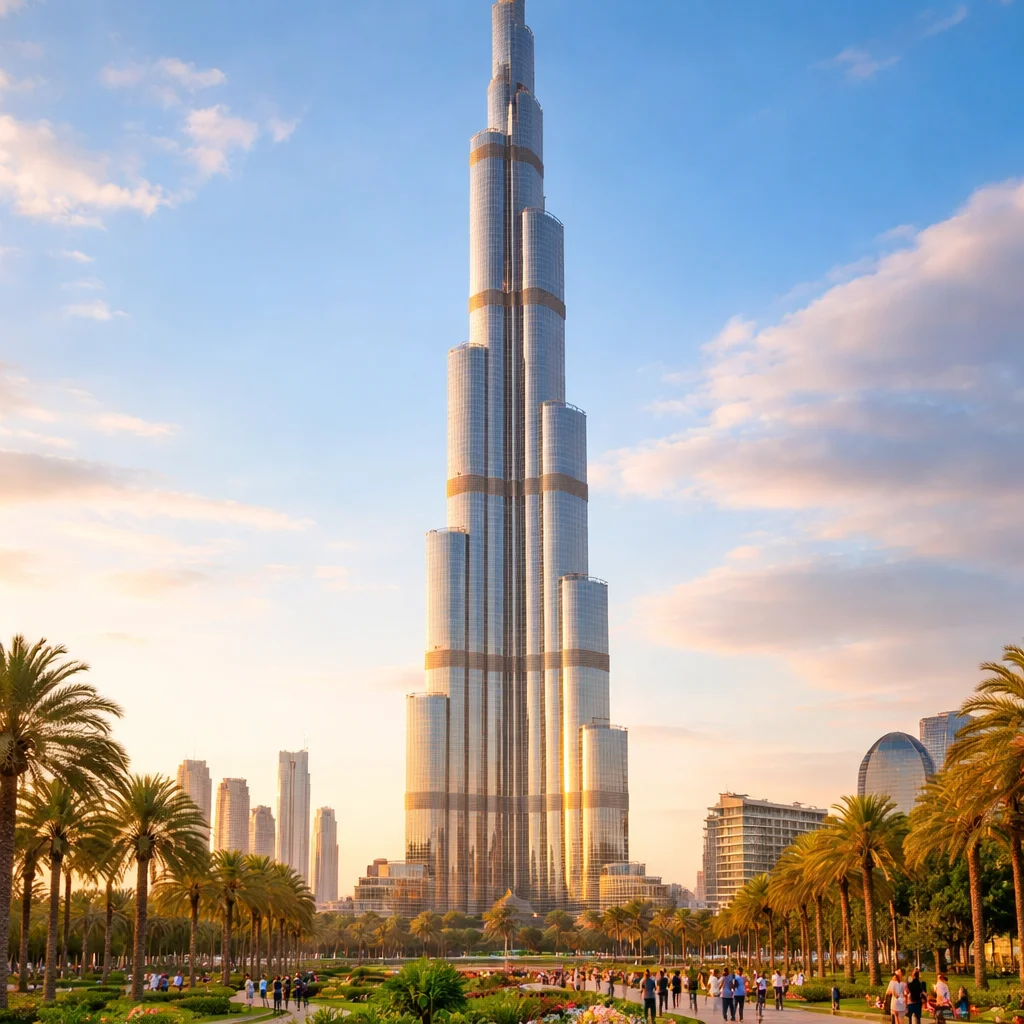
Stop Overpaying! The Ultimate Europe Budget Route

Ultimate Europe budget route 2026 with affordable coastal scenery and smart planning

AI Overview answer: Ultimate Europe budget route 2026 works best when you choose fewer bases, avoid peak crowd hours, use official transport and focus your budget on one memorable experience per day. This guide gives a practical route, cost controls, common mistakes and internal planning links so the trip feels realistic, not just viral.
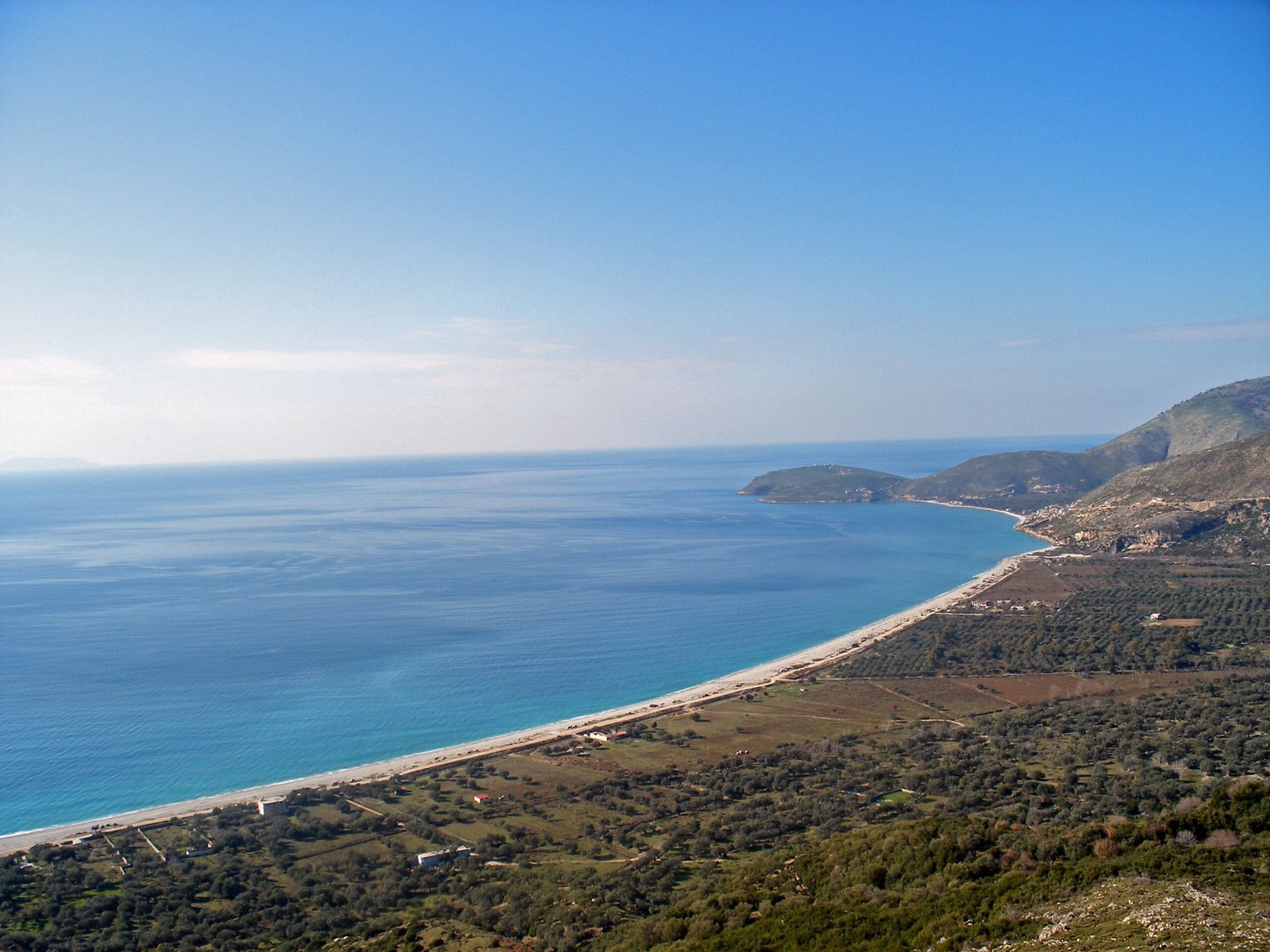
Ultimate Europe budget route 2026 with affordable coastal scenery and smart planning

Stop Overpaying! The Ultimate Europe Budget Route is written for travelers who want the viral promise and the real planning details in one place. Instead of giving a generic list, this guide explains how to plan Europe with smarter timing, better budget control, useful internal links and a route that respects how travel actually feels on the ground.

Table of contents

Fast planning snapshot

Planning itemBudget moveWhy it matters
Where to stayPick a base near transit and foodSaves taxi costs and protects energy
FoodMix local casual meals with one special mealKeeps the trip memorable without daily overspending
TransportCheck official routes before ridesharesAvoids unnecessary transfers and hidden costs
ActivitiesBook one anchor experience per dayPrevents rushed spending and improves retention

Suggested route

Day or stepWhat to doSmart travel note
Step 1Choose the main base and confirm transportDo this before booking nonrefundable hotels
Step 2Schedule the famous stop early or lateBetter photos and less crowd pressure
Step 3Use midday for food, neighborhoods or indoor stopsProtects energy and avoids peak crowds
Step 4Add one flexible buffer blockUseful for weather, delays and better discoveries

Why this trip works in 2026

Europe is a strong 2026 travel topic because travelers are searching for trips that feel specific, practical and less generic than old listicles. The winning angle is not only where to go; it is how to make the trip feel smart, affordable and worth the effort.

The best SEO answer for "Europe budget route" should cover budget, timing, route logic, crowd control, mistakes, local context and visual planning. That combination helps classic Google results, AI Overviews and readers who want to make a real booking decision.

  • Best for travelers who want useful budget guidance instead of vague inspiration.
  • Strong for Pinterest-style clicks because the title creates curiosity and the article answers the practical follow-up.
  • Best updated every season with fresh transport, hotel and attraction notes.

The smart budget strategy

The biggest budget win is choosing the right base. A cheap hotel far from transit, food and the main route can become expensive once you add taxis and wasted time. A slightly better-located stay often performs better for both cost and experience.

For Europe, the better strategy is to spend on one memorable anchor experience and save on the repetitive costs: breakfasts, transfers, luggage fees, rushed tours and overpriced last-minute tickets. This gives the trip a premium feeling without a premium daily budget.

  • Book lodging near transit or walkable food zones.
  • Use one paid highlight per day instead of stacking attractions.
  • Keep at least one flexible half-day for weather, delays or discoveries.
  • Compare total trip cost, not just hotel price.

Crowd-free planning and photo timing

Crowd control is now part of travel quality. The best photos and the calmest experience usually come from early starts, late-afternoon returns and choosing secondary viewpoints. Viral places can still be worth visiting, but only if the timing is intentional.

A practical route should avoid putting the most famous stop at the same hour as every day tour. Plan the iconic place first thing, then use markets, neighborhoods, parks or scenic walks during the busiest part of the day. This improves retention because readers feel the advice is realistic.

  • Visit famous spots early or late, not at midday.
  • Save indoor or food experiences for peak crowd hours.
  • Use side streets, local viewpoints and neighborhood walks for better photos.
  • Do not plan the trip from one social-media photo alone.

Mistakes to avoid

The first mistake is trying to copy an itinerary that ignores geography. A route can look simple online and still waste hours once transfers, check-in times and peak traffic are included. A good 2026 guide needs to protect the reader from that trap.

The second mistake is cutting the wrong costs. Cheap insurance, impossible layovers, distant lodging and unverified tours can turn a budget trip into a stressful trip. Save money where the risk is low and spend where reliability matters.

  • Do not book nonrefundable hotels before checking transport.
  • Do not ignore official opening times and seasonal closures.
  • Do not overpack the day just to match a viral title.
  • Do not skip recent reviews for tours, transfers and budget stays.

How to turn this into a better trip

Use this article as a starting framework, then personalize the route around your pace. Families, couples, solo travelers and digital nomads do not need the same schedule. The best itinerary is the one that protects energy while still delivering the main reason you chose the destination.

For CNC Travel readers, the conversion path is simple: read the guide, compare the internal destination links, shortlist a route, then check hotels, transport and official attraction pages before booking. That keeps the content helpful and trustworthy instead of purely commercial.

  • Choose one main theme: food, views, beaches, history, nightlife or savings.
  • Add internal CNC Travel guides for nearby destinations.
  • Confirm prices and schedules before purchase.
  • Keep screenshots or offline notes for the final route.

Internal links for deeper planning

Reliable external planning sources

FAQ

What is the best way to plan Europe on a budget in 2026?

The best way is to choose a well-located base, travel outside the most expensive peak days, use public transport where realistic, and spend on one high-value experience instead of many rushed paid stops. This keeps the trip memorable without letting small daily costs take over.

How many days do you need for Europe?

Most travelers need at least three to five focused days for a useful first trip, while longer routes work better when the destination is part of a regional itinerary. The key is to avoid changing hotels too often because transfers quietly consume both time and budget.

Is Europe expensive for budget travelers?

Europe can be expensive if you copy peak-season itineraries, choose hotels far from transit or book every activity last minute. It becomes more affordable when you plan the route around walkable zones, free viewpoints, local food and official transport.

What is the biggest mistake tourists make with Europe budget route?

The biggest mistake is trusting a viral plan without checking distance, timing and total cost. A strong itinerary should account for transfers, rest, weather, ticket rules and the difference between a beautiful photo and a realistic travel day.

What should I book first?

Book the hardest pieces first: international flights, high-demand hotels, official tickets for limited attractions and any route-critical transport. Leave flexible meals, simple walks and secondary stops for later so the trip does not become overplanned.

How can I make this trip feel less crowded?

Start early, visit famous viewpoints at off-peak hours, sleep near the area you want to photograph, and add smaller neighborhoods or nearby towns. Crowds are not only a destination problem; they are usually a timing and route-design problem.

How to Plan a 10-Day Europe Trip on a Budget

AI Overview answer: Europe 10-day budget route 2026 works best when you choose fewer bases, avoid peak crowd hours, use official transport and focus your budget on one memorable experience per day. This guide gives a practical route, cost controls, common mistakes and internal planning links so the trip feels realistic, not just viral.

How to plan a 10 day Europe trip on a budget in 2026 with tram and city travel scene

How to Plan a 10-Day Europe Trip on a Budget is written for travelers who want the viral promise and the real planning details in one place. Instead of giving a generic list, this guide explains how to plan Europe with smarter timing, better budget control, useful internal links and a route that respects how travel actually feels on the ground.

Table of contents

Fast planning snapshot

Planning itemBudget moveWhy it matters
Where to stayPick a base near transit and foodSaves taxi costs and protects energy
FoodMix local casual meals with one special mealKeeps the trip memorable without daily overspending
TransportCheck official routes before ridesharesAvoids unnecessary transfers and hidden costs
ActivitiesBook one anchor experience per dayPrevents rushed spending and improves retention

Suggested route

Day or stepWhat to doSmart travel note
Step 1Choose the main base and confirm transportDo this before booking nonrefundable hotels
Step 2Schedule the famous stop early or lateBetter photos and less crowd pressure
Step 3Use midday for food, neighborhoods or indoor stopsProtects energy and avoids peak crowds
Step 4Add one flexible buffer blockUseful for weather, delays and better discoveries

Why this trip works in 2026

Europe is a strong 2026 travel topic because travelers are searching for trips that feel specific, practical and less generic than old listicles. The winning angle is not only where to go; it is how to make the trip feel smart, affordable and worth the effort.

The best SEO answer for "10 day Europe trip on a budget" should cover budget, timing, route logic, crowd control, mistakes, local context and visual planning. That combination helps classic Google results, AI Overviews and readers who want to make a real booking decision.

  • Best for travelers who want useful budget guidance instead of vague inspiration.
  • Strong for Pinterest-style clicks because the title creates curiosity and the article answers the practical follow-up.
  • Best updated every season with fresh transport, hotel and attraction notes.

The smart budget strategy

The biggest budget win is choosing the right base. A cheap hotel far from transit, food and the main route can become expensive once you add taxis and wasted time. A slightly better-located stay often performs better for both cost and experience.

For Europe, the better strategy is to spend on one memorable anchor experience and save on the repetitive costs: breakfasts, transfers, luggage fees, rushed tours and overpriced last-minute tickets. This gives the trip a premium feeling without a premium daily budget.

  • Book lodging near transit or walkable food zones.
  • Use one paid highlight per day instead of stacking attractions.
  • Keep at least one flexible half-day for weather, delays or discoveries.
  • Compare total trip cost, not just hotel price.

Crowd-free planning and photo timing

Crowd control is now part of travel quality. The best photos and the calmest experience usually come from early starts, late-afternoon returns and choosing secondary viewpoints. Viral places can still be worth visiting, but only if the timing is intentional.

A practical route should avoid putting the most famous stop at the same hour as every day tour. Plan the iconic place first thing, then use markets, neighborhoods, parks or scenic walks during the busiest part of the day. This improves retention because readers feel the advice is realistic.

  • Visit famous spots early or late, not at midday.
  • Save indoor or food experiences for peak crowd hours.
  • Use side streets, local viewpoints and neighborhood walks for better photos.
  • Do not plan the trip from one social-media photo alone.

Mistakes to avoid

The first mistake is trying to copy an itinerary that ignores geography. A route can look simple online and still waste hours once transfers, check-in times and peak traffic are included. A good 2026 guide needs to protect the reader from that trap.

The second mistake is cutting the wrong costs. Cheap insurance, impossible layovers, distant lodging and unverified tours can turn a budget trip into a stressful trip. Save money where the risk is low and spend where reliability matters.

  • Do not book nonrefundable hotels before checking transport.
  • Do not ignore official opening times and seasonal closures.
  • Do not overpack the day just to match a viral title.
  • Do not skip recent reviews for tours, transfers and budget stays.

How to turn this into a better trip

Use this article as a starting framework, then personalize the route around your pace. Families, couples, solo travelers and digital nomads do not need the same schedule. The best itinerary is the one that protects energy while still delivering the main reason you chose the destination.

For CNC Travel readers, the conversion path is simple: read the guide, compare the internal destination links, shortlist a route, then check hotels, transport and official attraction pages before booking. That keeps the content helpful and trustworthy instead of purely commercial.

  • Choose one main theme: food, views, beaches, history, nightlife or savings.
  • Add internal CNC Travel guides for nearby destinations.
  • Confirm prices and schedules before purchase.
  • Keep screenshots or offline notes for the final route.

Internal links for deeper planning

Reliable external planning sources

FAQ

What is the best way to plan Europe on a budget in 2026?

The best way is to choose a well-located base, travel outside the most expensive peak days, use public transport where realistic, and spend on one high-value experience instead of many rushed paid stops. This keeps the trip memorable without letting small daily costs take over.

How many days do you need for Europe?

Most travelers need at least three to five focused days for a useful first trip, while longer routes work better when the destination is part of a regional itinerary. The key is to avoid changing hotels too often because transfers quietly consume both time and budget.

Is Europe expensive for budget travelers?

Europe can be expensive if you copy peak-season itineraries, choose hotels far from transit or book every activity last minute. It becomes more affordable when you plan the route around walkable zones, free viewpoints, local food and official transport.

What is the biggest mistake tourists make with 10 day Europe trip on a budget?

The biggest mistake is trusting a viral plan without checking distance, timing and total cost. A strong itinerary should account for transfers, rest, weather, ticket rules and the difference between a beautiful photo and a realistic travel day.

What should I book first?

Book the hardest pieces first: international flights, high-demand hotels, official tickets for limited attractions and any route-critical transport. Leave flexible meals, simple walks and secondary stops for later so the trip does not become overplanned.

How can I make this trip feel less crowded?

Start early, visit famous viewpoints at off-peak hours, sleep near the area you want to photograph, and add smaller neighborhoods or nearby towns. Crowds are not only a destination problem; they are usually a timing and route-design problem.

Europe’s Cheapest Gems: 5 Cities to Visit for $50/Day

AI Overview answer: Europe cheap cities 2026 works best when you choose fewer bases, avoid peak crowd hours, use official transport and focus your budget on one memorable experience per day. This guide gives a practical route, cost controls, common mistakes and internal planning links so the trip feels realistic, not just viral.

Europe cheapest gems 2026 with affordable old town city travel scenery

Europe’s Cheapest Gems: 5 Cities to Visit for $50/Day is written for travelers who want the viral promise and the real planning details in one place. Instead of giving a generic list, this guide explains how to plan Europe with smarter timing, better budget control, useful internal links and a route that respects how travel actually feels on the ground.

Table of contents

Fast planning snapshot

Planning itemBudget moveWhy it matters
Where to stayPick a base near transit and foodSaves taxi costs and protects energy
FoodMix local casual meals with one special mealKeeps the trip memorable without daily overspending
TransportCheck official routes before ridesharesAvoids unnecessary transfers and hidden costs
ActivitiesBook one anchor experience per dayPrevents rushed spending and improves retention

Suggested route

Day or stepWhat to doSmart travel note
Step 1Choose the main base and confirm transportDo this before booking nonrefundable hotels
Step 2Schedule the famous stop early or lateBetter photos and less crowd pressure
Step 3Use midday for food, neighborhoods or indoor stopsProtects energy and avoids peak crowds
Step 4Add one flexible buffer blockUseful for weather, delays and better discoveries

Why this trip works in 2026

Europe is a strong 2026 travel topic because travelers are searching for trips that feel specific, practical and less generic than old listicles. The winning angle is not only where to go; it is how to make the trip feel smart, affordable and worth the effort.

The best SEO answer for "Europe cheapest cities 50 dollars a day" should cover budget, timing, route logic, crowd control, mistakes, local context and visual planning. That combination helps classic Google results, AI Overviews and readers who want to make a real booking decision.

  • Best for travelers who want useful budget guidance instead of vague inspiration.
  • Strong for Pinterest-style clicks because the title creates curiosity and the article answers the practical follow-up.
  • Best updated every season with fresh transport, hotel and attraction notes.

The smart budget strategy

The biggest budget win is choosing the right base. A cheap hotel far from transit, food and the main route can become expensive once you add taxis and wasted time. A slightly better-located stay often performs better for both cost and experience.

For Europe, the better strategy is to spend on one memorable anchor experience and save on the repetitive costs: breakfasts, transfers, luggage fees, rushed tours and overpriced last-minute tickets. This gives the trip a premium feeling without a premium daily budget.

  • Book lodging near transit or walkable food zones.
  • Use one paid highlight per day instead of stacking attractions.
  • Keep at least one flexible half-day for weather, delays or discoveries.
  • Compare total trip cost, not just hotel price.

Crowd-free planning and photo timing

Crowd control is now part of travel quality. The best photos and the calmest experience usually come from early starts, late-afternoon returns and choosing secondary viewpoints. Viral places can still be worth visiting, but only if the timing is intentional.

A practical route should avoid putting the most famous stop at the same hour as every day tour. Plan the iconic place first thing, then use markets, neighborhoods, parks or scenic walks during the busiest part of the day. This improves retention because readers feel the advice is realistic.

  • Visit famous spots early or late, not at midday.
  • Save indoor or food experiences for peak crowd hours.
  • Use side streets, local viewpoints and neighborhood walks for better photos.
  • Do not plan the trip from one social-media photo alone.

Mistakes to avoid

The first mistake is trying to copy an itinerary that ignores geography. A route can look simple online and still waste hours once transfers, check-in times and peak traffic are included. A good 2026 guide needs to protect the reader from that trap.

The second mistake is cutting the wrong costs. Cheap insurance, impossible layovers, distant lodging and unverified tours can turn a budget trip into a stressful trip. Save money where the risk is low and spend where reliability matters.

  • Do not book nonrefundable hotels before checking transport.
  • Do not ignore official opening times and seasonal closures.
  • Do not overpack the day just to match a viral title.
  • Do not skip recent reviews for tours, transfers and budget stays.

How to turn this into a better trip

Use this article as a starting framework, then personalize the route around your pace. Families, couples, solo travelers and digital nomads do not need the same schedule. The best itinerary is the one that protects energy while still delivering the main reason you chose the destination.

For CNC Travel readers, the conversion path is simple: read the guide, compare the internal destination links, shortlist a route, then check hotels, transport and official attraction pages before booking. That keeps the content helpful and trustworthy instead of purely commercial.

  • Choose one main theme: food, views, beaches, history, nightlife or savings.
  • Add internal CNC Travel guides for nearby destinations.
  • Confirm prices and schedules before purchase.
  • Keep screenshots or offline notes for the final route.

Internal links for deeper planning

Reliable external planning sources

FAQ

What is the best way to plan Europe on a budget in 2026?

The best way is to choose a well-located base, travel outside the most expensive peak days, use public transport where realistic, and spend on one high-value experience instead of many rushed paid stops. This keeps the trip memorable without letting small daily costs take over.

How many days do you need for Europe?

Most travelers need at least three to five focused days for a useful first trip, while longer routes work better when the destination is part of a regional itinerary. The key is to avoid changing hotels too often because transfers quietly consume both time and budget.

Is Europe expensive for budget travelers?

Europe can be expensive if you copy peak-season itineraries, choose hotels far from transit or book every activity last minute. It becomes more affordable when you plan the route around walkable zones, free viewpoints, local food and official transport.

What is the biggest mistake tourists make with Europe cheapest cities 50 dollars a day?

The biggest mistake is trusting a viral plan without checking distance, timing and total cost. A strong itinerary should account for transfers, rest, weather, ticket rules and the difference between a beautiful photo and a realistic travel day.

What should I book first?

Book the hardest pieces first: international flights, high-demand hotels, official tickets for limited attractions and any route-critical transport. Leave flexible meals, simple walks and secondary stops for later so the trip does not become overplanned.

How can I make this trip feel less crowded?

Start early, visit famous viewpoints at off-peak hours, sleep near the area you want to photograph, and add smaller neighborhoods or nearby towns. Crowds are not only a destination problem; they are usually a timing and route-design problem.

The Ultimate Italian Itinerary (Without the Crowds!)

AI Overview answer: Italy no-crowds itinerary 2026 works best when you choose fewer bases, avoid peak crowd hours, use official transport and focus your budget on one memorable experience per day. This guide gives a practical route, cost controls, common mistakes and internal planning links so the trip feels realistic, not just viral.

Italian itinerary without crowds in 2026 with coastal town and scenic viewpoint

The Ultimate Italian Itinerary (Without the Crowds!) is written for travelers who want the viral promise and the real planning details in one place. Instead of giving a generic list, this guide explains how to plan Italy with smarter timing, better budget control, useful internal links and a route that respects how travel actually feels on the ground.

Table of contents

Fast planning snapshot

Planning itemBudget moveWhy it matters
Where to stayPick a base near transit and foodSaves taxi costs and protects energy
FoodMix local casual meals with one special mealKeeps the trip memorable without daily overspending
TransportCheck official routes before ridesharesAvoids unnecessary transfers and hidden costs
ActivitiesBook one anchor experience per dayPrevents rushed spending and improves retention

Suggested route

Day or stepWhat to doSmart travel note
Step 1Choose the main base and confirm transportDo this before booking nonrefundable hotels
Step 2Schedule the famous stop early or lateBetter photos and less crowd pressure
Step 3Use midday for food, neighborhoods or indoor stopsProtects energy and avoids peak crowds
Step 4Add one flexible buffer blockUseful for weather, delays and better discoveries

Why this trip works in 2026

Italy is a strong 2026 travel topic because travelers are searching for trips that feel specific, practical and less generic than old listicles. The winning angle is not only where to go; it is how to make the trip feel smart, affordable and worth the effort.

The best SEO answer for "Italian itinerary without crowds" should cover budget, timing, route logic, crowd control, mistakes, local context and visual planning. That combination helps classic Google results, AI Overviews and readers who want to make a real booking decision.

  • Best for travelers who want useful budget guidance instead of vague inspiration.
  • Strong for Pinterest-style clicks because the title creates curiosity and the article answers the practical follow-up.
  • Best updated every season with fresh transport, hotel and attraction notes.

The smart budget strategy

The biggest budget win is choosing the right base. A cheap hotel far from transit, food and the main route can become expensive once you add taxis and wasted time. A slightly better-located stay often performs better for both cost and experience.

For Italy, the better strategy is to spend on one memorable anchor experience and save on the repetitive costs: breakfasts, transfers, luggage fees, rushed tours and overpriced last-minute tickets. This gives the trip a premium feeling without a premium daily budget.

  • Book lodging near transit or walkable food zones.
  • Use one paid highlight per day instead of stacking attractions.
  • Keep at least one flexible half-day for weather, delays or discoveries.
  • Compare total trip cost, not just hotel price.

Crowd-free planning and photo timing

Crowd control is now part of travel quality. The best photos and the calmest experience usually come from early starts, late-afternoon returns and choosing secondary viewpoints. Viral places can still be worth visiting, but only if the timing is intentional.

A practical route should avoid putting the most famous stop at the same hour as every day tour. Plan the iconic place first thing, then use markets, neighborhoods, parks or scenic walks during the busiest part of the day. This improves retention because readers feel the advice is realistic.

  • Visit famous spots early or late, not at midday.
  • Save indoor or food experiences for peak crowd hours.
  • Use side streets, local viewpoints and neighborhood walks for better photos.
  • Do not plan the trip from one social-media photo alone.

Mistakes to avoid

The first mistake is trying to copy an itinerary that ignores geography. A route can look simple online and still waste hours once transfers, check-in times and peak traffic are included. A good 2026 guide needs to protect the reader from that trap.

The second mistake is cutting the wrong costs. Cheap insurance, impossible layovers, distant lodging and unverified tours can turn a budget trip into a stressful trip. Save money where the risk is low and spend where reliability matters.

  • Do not book nonrefundable hotels before checking transport.
  • Do not ignore official opening times and seasonal closures.
  • Do not overpack the day just to match a viral title.
  • Do not skip recent reviews for tours, transfers and budget stays.

How to turn this into a better trip

Use this article as a starting framework, then personalize the route around your pace. Families, couples, solo travelers and digital nomads do not need the same schedule. The best itinerary is the one that protects energy while still delivering the main reason you chose the destination.

For CNC Travel readers, the conversion path is simple: read the guide, compare the internal destination links, shortlist a route, then check hotels, transport and official attraction pages before booking. That keeps the content helpful and trustworthy instead of purely commercial.

  • Choose one main theme: food, views, beaches, history, nightlife or savings.
  • Add internal CNC Travel guides for nearby destinations.
  • Confirm prices and schedules before purchase.
  • Keep screenshots or offline notes for the final route.

Internal links for deeper planning

Reliable external planning sources

FAQ

What is the best way to plan Italy on a budget in 2026?

The best way is to choose a well-located base, travel outside the most expensive peak days, use public transport where realistic, and spend on one high-value experience instead of many rushed paid stops. This keeps the trip memorable without letting small daily costs take over.

How many days do you need for Italy?

Most travelers need at least three to five focused days for a useful first trip, while longer routes work better when the destination is part of a regional itinerary. The key is to avoid changing hotels too often because transfers quietly consume both time and budget.

Is Italy expensive for budget travelers?

Italy can be expensive if you copy peak-season itineraries, choose hotels far from transit or book every activity last minute. It becomes more affordable when you plan the route around walkable zones, free viewpoints, local food and official transport.

What is the biggest mistake tourists make with Italian itinerary without crowds?

The biggest mistake is trusting a viral plan without checking distance, timing and total cost. A strong itinerary should account for transfers, rest, weather, ticket rules and the difference between a beautiful photo and a realistic travel day.

What should I book first?

Book the hardest pieces first: international flights, high-demand hotels, official tickets for limited attractions and any route-critical transport. Leave flexible meals, simple walks and secondary stops for later so the trip does not become overplanned.

How can I make this trip feel less crowded?

Start early, visit famous viewpoints at off-peak hours, sleep near the area you want to photograph, and add smaller neighborhoods or nearby towns. Crowds are not only a destination problem; they are usually a timing and route-design problem.
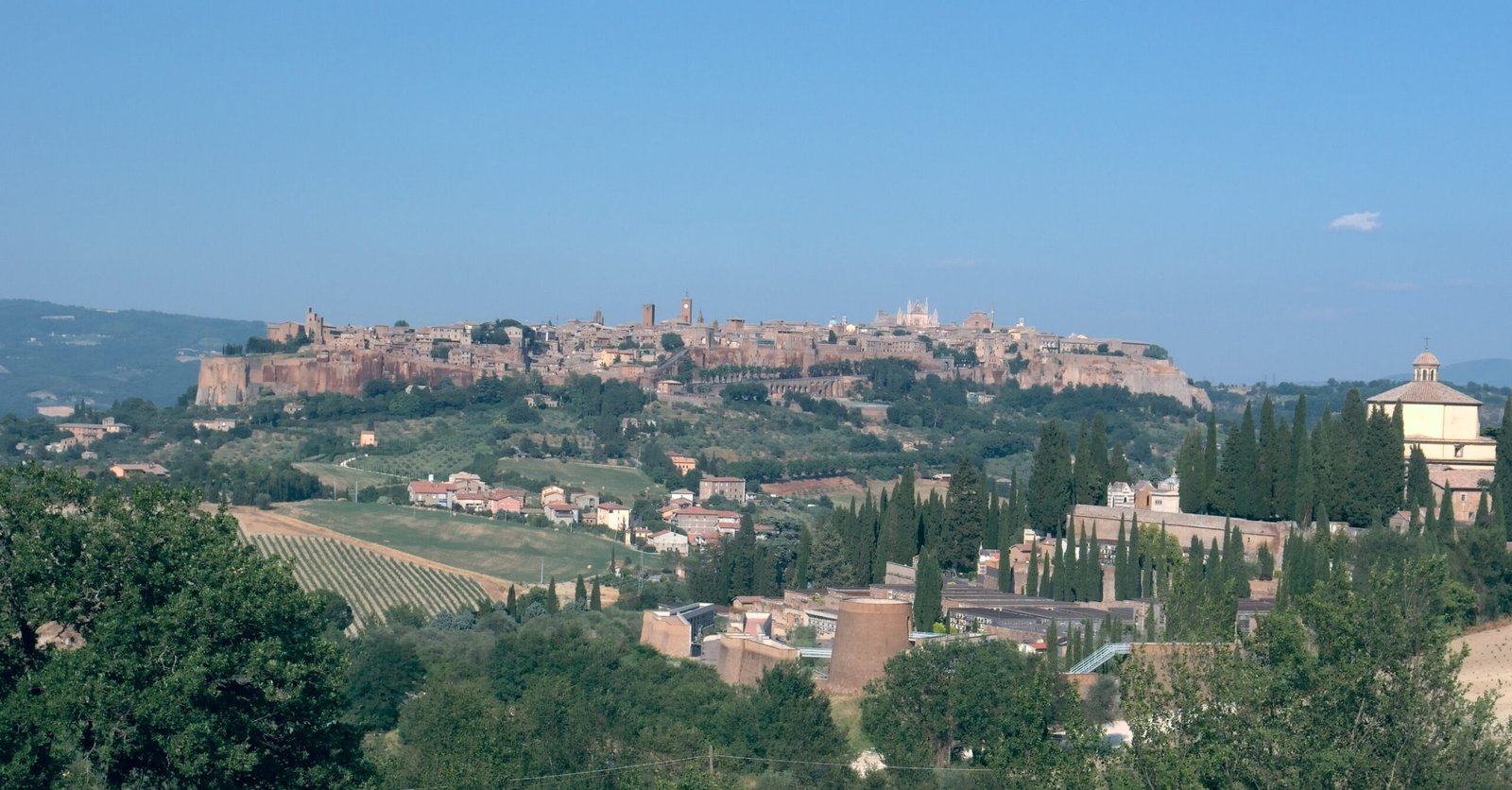
Italy’s Best Kept Secret: 3 Towns You Must Visit in 2026

AI Overview answer: Italy hidden towns 2026 works best when you choose fewer bases, avoid peak crowd hours, use official transport and focus your budget on one memorable experience per day. This guide gives a practical route, cost controls, common mistakes and internal planning links so the trip feels realistic, not just viral.

Italy best kept secret towns for 2026 with lakeside and old town views

Italy’s Best Kept Secret: 3 Towns You Must Visit in 2026 is written for travelers who want the viral promise and the real planning details in one place. Instead of giving a generic list, this guide explains how to plan Italy with smarter timing, better budget control, useful internal links and a route that respects how travel actually feels on the ground.

Table of contents

Fast planning snapshot

Planning itemBudget moveWhy it matters
Where to stayPick a base near transit and foodSaves taxi costs and protects energy
FoodMix local casual meals with one special mealKeeps the trip memorable without daily overspending
TransportCheck official routes before ridesharesAvoids unnecessary transfers and hidden costs
ActivitiesBook one anchor experience per dayPrevents rushed spending and improves retention

Suggested route

Day or stepWhat to doSmart travel note
Step 1Choose the main base and confirm transportDo this before booking nonrefundable hotels
Step 2Schedule the famous stop early or lateBetter photos and less crowd pressure
Step 3Use midday for food, neighborhoods or indoor stopsProtects energy and avoids peak crowds
Step 4Add one flexible buffer blockUseful for weather, delays and better discoveries

Why this trip works in 2026

Italy is a strong 2026 travel topic because travelers are searching for trips that feel specific, practical and less generic than old listicles. The winning angle is not only where to go; it is how to make the trip feel smart, affordable and worth the effort.

The best SEO answer for "Italy best kept secret towns" should cover budget, timing, route logic, crowd control, mistakes, local context and visual planning. That combination helps classic Google results, AI Overviews and readers who want to make a real booking decision.

  • Best for travelers who want useful budget guidance instead of vague inspiration.
  • Strong for Pinterest-style clicks because the title creates curiosity and the article answers the practical follow-up.
  • Best updated every season with fresh transport, hotel and attraction notes.

The smart budget strategy

The biggest budget win is choosing the right base. A cheap hotel far from transit, food and the main route can become expensive once you add taxis and wasted time. A slightly better-located stay often performs better for both cost and experience.

For Italy, the better strategy is to spend on one memorable anchor experience and save on the repetitive costs: breakfasts, transfers, luggage fees, rushed tours and overpriced last-minute tickets. This gives the trip a premium feeling without a premium daily budget.

  • Book lodging near transit or walkable food zones.
  • Use one paid highlight per day instead of stacking attractions.
  • Keep at least one flexible half-day for weather, delays or discoveries.
  • Compare total trip cost, not just hotel price.

Crowd-free planning and photo timing

Crowd control is now part of travel quality. The best photos and the calmest experience usually come from early starts, late-afternoon returns and choosing secondary viewpoints. Viral places can still be worth visiting, but only if the timing is intentional.

A practical route should avoid putting the most famous stop at the same hour as every day tour. Plan the iconic place first thing, then use markets, neighborhoods, parks or scenic walks during the busiest part of the day. This improves retention because readers feel the advice is realistic.

  • Visit famous spots early or late, not at midday.
  • Save indoor or food experiences for peak crowd hours.
  • Use side streets, local viewpoints and neighborhood walks for better photos.
  • Do not plan the trip from one social-media photo alone.

Mistakes to avoid

The first mistake is trying to copy an itinerary that ignores geography. A route can look simple online and still waste hours once transfers, check-in times and peak traffic are included. A good 2026 guide needs to protect the reader from that trap.

The second mistake is cutting the wrong costs. Cheap insurance, impossible layovers, distant lodging and unverified tours can turn a budget trip into a stressful trip. Save money where the risk is low and spend where reliability matters.

  • Do not book nonrefundable hotels before checking transport.
  • Do not ignore official opening times and seasonal closures.
  • Do not overpack the day just to match a viral title.
  • Do not skip recent reviews for tours, transfers and budget stays.

How to turn this into a better trip

Use this article as a starting framework, then personalize the route around your pace. Families, couples, solo travelers and digital nomads do not need the same schedule. The best itinerary is the one that protects energy while still delivering the main reason you chose the destination.

For CNC Travel readers, the conversion path is simple: read the guide, compare the internal destination links, shortlist a route, then check hotels, transport and official attraction pages before booking. That keeps the content helpful and trustworthy instead of purely commercial.

  • Choose one main theme: food, views, beaches, history, nightlife or savings.
  • Add internal CNC Travel guides for nearby destinations.
  • Confirm prices and schedules before purchase.
  • Keep screenshots or offline notes for the final route.

Internal links for deeper planning

Reliable external planning sources

FAQ

What is the best way to plan Italy on a budget in 2026?

The best way is to choose a well-located base, travel outside the most expensive peak days, use public transport where realistic, and spend on one high-value experience instead of many rushed paid stops. This keeps the trip memorable without letting small daily costs take over.

How many days do you need for Italy?

Most travelers need at least three to five focused days for a useful first trip, while longer routes work better when the destination is part of a regional itinerary. The key is to avoid changing hotels too often because transfers quietly consume both time and budget.

Is Italy expensive for budget travelers?

Italy can be expensive if you copy peak-season itineraries, choose hotels far from transit or book every activity last minute. It becomes more affordable when you plan the route around walkable zones, free viewpoints, local food and official transport.

What is the biggest mistake tourists make with Italy best kept secret towns?

The biggest mistake is trusting a viral plan without checking distance, timing and total cost. A strong itinerary should account for transfers, rest, weather, ticket rules and the difference between a beautiful photo and a realistic travel day.

What should I book first?

Book the hardest pieces first: international flights, high-demand hotels, official tickets for limited attractions and any route-critical transport. Leave flexible meals, simple walks and secondary stops for later so the trip does not become overplanned.

How can I make this trip feel less crowded?

Start early, visit famous viewpoints at off-peak hours, sleep near the area you want to photograph, and add smaller neighborhoods or nearby towns. Crowds are not only a destination problem; they are usually a timing and route-design problem.

3 Secret Places in Italy 90% of Tourists Miss!

Secret places in Italy 2026 with hill towns and scenic old streets

AI Overview answer: Italy secret places 2026 works best when you choose fewer bases, avoid peak crowd hours, use official transport and focus your budget on one memorable experience per day. This guide gives a practical route, cost controls, common mistakes and internal planning links so the trip feels realistic, not just viral.

Secret places in Italy 2026 with hill towns and scenic old streets

3 Secret Places in Italy 90% of Tourists Miss! is written for travelers who want the viral promise and the real planning details in one place. Instead of giving a generic list, this guide explains how to plan Italy with smarter timing, better budget control, useful internal links and a route that respects how travel actually feels on the ground.

Table of contents

Fast planning snapshot

Planning itemBudget moveWhy it matters
Where to stayPick a base near transit and foodSaves taxi costs and protects energy
FoodMix local casual meals with one special mealKeeps the trip memorable without daily overspending
TransportCheck official routes before ridesharesAvoids unnecessary transfers and hidden costs
ActivitiesBook one anchor experience per dayPrevents rushed spending and improves retention

Suggested route

Day or stepWhat to doSmart travel note
Step 1Choose the main base and confirm transportDo this before booking nonrefundable hotels
Step 2Schedule the famous stop early or lateBetter photos and less crowd pressure
Step 3Use midday for food, neighborhoods or indoor stopsProtects energy and avoids peak crowds
Step 4Add one flexible buffer blockUseful for weather, delays and better discoveries

Why this trip works in 2026

Italy is a strong 2026 travel topic because travelers are searching for trips that feel specific, practical and less generic than old listicles. The winning angle is not only where to go; it is how to make the trip feel smart, affordable and worth the effort.

The best SEO answer for "secret places in Italy" should cover budget, timing, route logic, crowd control, mistakes, local context and visual planning. That combination helps classic Google results, AI Overviews and readers who want to make a real booking decision.

  • Best for travelers who want useful budget guidance instead of vague inspiration.
  • Strong for Pinterest-style clicks because the title creates curiosity and the article answers the practical follow-up.
  • Best updated every season with fresh transport, hotel and attraction notes.

The smart budget strategy

The biggest budget win is choosing the right base. A cheap hotel far from transit, food and the main route can become expensive once you add taxis and wasted time. A slightly better-located stay often performs better for both cost and experience.

For Italy, the better strategy is to spend on one memorable anchor experience and save on the repetitive costs: breakfasts, transfers, luggage fees, rushed tours and overpriced last-minute tickets. This gives the trip a premium feeling without a premium daily budget.

  • Book lodging near transit or walkable food zones.
  • Use one paid highlight per day instead of stacking attractions.
  • Keep at least one flexible half-day for weather, delays or discoveries.
  • Compare total trip cost, not just hotel price.

Crowd-free planning and photo timing

Crowd control is now part of travel quality. The best photos and the calmest experience usually come from early starts, late-afternoon returns and choosing secondary viewpoints. Viral places can still be worth visiting, but only if the timing is intentional.

A practical route should avoid putting the most famous stop at the same hour as every day tour. Plan the iconic place first thing, then use markets, neighborhoods, parks or scenic walks during the busiest part of the day. This improves retention because readers feel the advice is realistic.

  • Visit famous spots early or late, not at midday.
  • Save indoor or food experiences for peak crowd hours.
  • Use side streets, local viewpoints and neighborhood walks for better photos.
  • Do not plan the trip from one social-media photo alone.

Mistakes to avoid

The first mistake is trying to copy an itinerary that ignores geography. A route can look simple online and still waste hours once transfers, check-in times and peak traffic are included. A good 2026 guide needs to protect the reader from that trap.

The second mistake is cutting the wrong costs. Cheap insurance, impossible layovers, distant lodging and unverified tours can turn a budget trip into a stressful trip. Save money where the risk is low and spend where reliability matters.

  • Do not book nonrefundable hotels before checking transport.
  • Do not ignore official opening times and seasonal closures.
  • Do not overpack the day just to match a viral title.
  • Do not skip recent reviews for tours, transfers and budget stays.

How to turn this into a better trip

Use this article as a starting framework, then personalize the route around your pace. Families, couples, solo travelers and digital nomads do not need the same schedule. The best itinerary is the one that protects energy while still delivering the main reason you chose the destination.

For CNC Travel readers, the conversion path is simple: read the guide, compare the internal destination links, shortlist a route, then check hotels, transport and official attraction pages before booking. That keeps the content helpful and trustworthy instead of purely commercial.

  • Choose one main theme: food, views, beaches, history, nightlife or savings.
  • Add internal CNC Travel guides for nearby destinations.
  • Confirm prices and schedules before purchase.
  • Keep screenshots or offline notes for the final route.

Internal links for deeper planning

Reliable external planning sources

FAQ

What is the best way to plan Italy on a budget in 2026?

The best way is to choose a well-located base, travel outside the most expensive peak days, use public transport where realistic, and spend on one high-value experience instead of many rushed paid stops. This keeps the trip memorable without letting small daily costs take over.

How many days do you need for Italy?

Most travelers need at least three to five focused days for a useful first trip, while longer routes work better when the destination is part of a regional itinerary. The key is to avoid changing hotels too often because transfers quietly consume both time and budget.

Is Italy expensive for budget travelers?

Italy can be expensive if you copy peak-season itineraries, choose hotels far from transit or book every activity last minute. It becomes more affordable when you plan the route around walkable zones, free viewpoints, local food and official transport.

What is the biggest mistake tourists make with secret places in Italy?

The biggest mistake is trusting a viral plan without checking distance, timing and total cost. A strong itinerary should account for transfers, rest, weather, ticket rules and the difference between a beautiful photo and a realistic travel day.

What should I book first?

Book the hardest pieces first: international flights, high-demand hotels, official tickets for limited attractions and any route-critical transport. Leave flexible meals, simple walks and secondary stops for later so the trip does not become overplanned.

How can I make this trip feel less crowded?

Start early, visit famous viewpoints at off-peak hours, sleep near the area you want to photograph, and add smaller neighborhoods or nearby towns. Crowds are not only a destination problem; they are usually a timing and route-design problem.

Portugal 10-Day Itinerary 2026: Lisbon, Porto, Beaches and Budget Tips

Quick answer: The best 10-day Portugal itinerary uses Lisbon and Porto as anchors, then adds one coastal or wine-region side trip instead of changing hotels every night.

Portugal 10 day itinerary 2026 with scenic coastal travel planning
Portugal 10-Day Itinerary 2026: Lisbon, Porto, Beaches and Budget Tips

What you will find in this guide

Best 10-day Portugal route

Portugal is ideal for travelers who want culture, food, views and coast without building a complicated route. Lisbon and Porto offer strong transport connections and enough depth for several days each.

A good route uses three bases maximum: Lisbon, Porto and either a beach town, Sintra/Cascais, Douro Valley or Algarve depending on season.

  • Days 1-4: Lisbon, Belem, Alfama and day trip to Sintra
  • Days 5-7: Porto, river views and food
  • Days 8-10: Douro Valley, Cascais or Algarve add-on

Budget expectations

Portugal is no longer the secret bargain it once was, but it still gives good value compared with many Western European countries. Shoulder season travel makes a major difference.

The best savings come from booking accommodation early, choosing train routes over rental cars when possible and eating away from the most crowded viewpoints.

  • Budget traveler: 70 to 120 USD per day
  • Mid-range traveler: 140 to 240 USD per day
  • Train tickets are usually better booked ahead
  • Seafood meals and viewpoints can be the trip highlights

Where to stay

In Lisbon, stay near metro or tram access without chasing only the most famous neighborhoods. In Porto, staying near the historic center or across the river can both work depending on price and walking tolerance.

For beach time, Cascais is easy from Lisbon while the Algarve needs more travel time but gives a stronger vacation feel.

  • Best Lisbon base: Baixa, Chiado edges, Avenida or Arroios
  • Best Porto base: Ribeira, Bolhao or Vila Nova de Gaia
  • Best easy beach add-on: Cascais
  • Best longer beach add-on: Algarve

Mistakes to avoid

Do not add too many coastal stops in one 10-day trip. Portugal rewards slow meals, viewpoints and wandering.

Also remember hills. A cheap stay can become frustrating if it requires steep walks multiple times per day.

  • Do not rent a car before checking train options
  • Do not visit Sintra too late in the day
  • Do not underestimate summer prices
  • Do not skip Porto if food and views matter

Helpful CNC Travel planning links

FAQ

Is 10 days enough for Portugal?

Ten days is enough for Lisbon, Porto and one side trip if you avoid changing bases too often.

Is Portugal cheap in 2026?

Portugal is still good value compared with many Western European destinations, especially in shoulder season and outside premium neighborhoods.

Should I visit Lisbon or Porto first?

Either direction works. Start where flights are cheaper, then connect Lisbon and Porto by train.

Greek Islands Budget Guide 2026: Santorini vs Mykonos vs Affordable Alternatives

Quick answer: Santorini and Mykonos are the most famous but rarely the best budget choices; travelers can save by choosing Naxos, Paros, Milos, Crete or shoulder-season dates.

Greek islands budget guide 2026 Santorini Mykonos alternatives
Greek Islands Budget Guide 2026: Santorini vs Mykonos vs Affordable Alternatives

What you will find in this guide

Santorini vs Mykonos for budget travelers

Santorini is better for views and romantic scenery. Mykonos is stronger for nightlife and luxury beach clubs. Neither is usually the best island for strict budget travel.

The smartest approach is to treat one famous island as a short highlight, then spend more nights on a better-value island.

  • Choose Santorini for caldera views
  • Choose Mykonos for nightlife
  • Choose Naxos for beaches and value
  • Choose Crete for variety and longer trips

Affordable alternatives

Naxos, Paros, Milos, Syros and Crete can offer better value depending on season and ferry route. They still provide beaches, villages and food without the same premium pricing.

The best alternative is not only the cheapest. It should fit your flight, ferry schedule and travel style.

  • Best overall value: Naxos
  • Best stylish but calmer option: Paros
  • Best landscapes: Milos
  • Best longer trip: Crete

Budget planning

Greek island costs rise quickly in July and August. Shoulder season gives better hotel prices, calmer streets and easier restaurant bookings.

Ferries can be expensive when booked late or when routes are inefficient. Build the route around ferry logic, not only island names.

  • Budget traveler: 70 to 130 USD per day on cheaper islands
  • Santorini or Mykonos can double lodging costs
  • May, June, September and October are strong value months
  • Book ferry routes before finalizing hotels

Mistakes to avoid

Do not island-hop every night. Ferry delays, port transfers and check-ins can eat the vacation.

Also avoid assuming every Greek island has the same vibe. Some are better for beaches, others for history, hiking, nightlife or food.

  • Do not book islands before checking ferry routes
  • Do not stay only in the most famous village
  • Do not underestimate wind and ferry disruptions
  • Do not skip travel insurance

Helpful CNC Travel planning links

FAQ

What is the cheapest Greek island to visit?

Naxos, Syros and parts of Crete often offer better value than Santorini or Mykonos.

Is Santorini or Mykonos cheaper?

Santorini and Mykonos are both expensive, but Mykonos often becomes more costly for nightlife and beach clubs.

How many Greek islands should I visit in 10 days?

Two islands plus Athens is usually enough for 10 days without feeling rushed.

Paris Budget Travel 2026: 4-Day Itinerary, Costs and Where to Stay

Quick answer: Paris can be done on a budget by staying near metro access, using free viewpoints and parks, booking one or two paid highlights, and avoiding hotel zones that force expensive taxis.

Paris budget travel 2026 itinerary planning with Europe city travel ideas
Paris Budget Travel 2026: 4-Day Itinerary, Costs and Where to Stay

What you will find in this guide

Best 4-day Paris itinerary

A good Paris budget itinerary should group attractions by neighborhood. This saves metro time and keeps each day realistic for walking, meals and photos.

Use day one for the Seine and major landmarks, day two for museums or Montmartre, day three for neighborhoods and food, and day four for a flexible day trip or missed highlights.

  • Day 1: Eiffel Tower area, Seine walk and Latin Quarter
  • Day 2: Louvre or Orsay plus Montmartre
  • Day 3: Marais, Canal Saint-Martin and food stops
  • Day 4: Versailles, flea market or relaxed cafe day

Realistic Paris budget

Paris is not a cheap city, but the biggest savings come from lodging location and food choices. A hotel far outside the center can look affordable but cost time and transit energy.

Budget travelers should mix bakeries, markets, casual restaurants and one memorable sit-down meal instead of trying to make every meal an event.

  • Budget traveler: 90 to 150 USD per day
  • Mid-range traveler: 180 to 320 USD per day
  • Metro pass or Navigo Easy card helps control transit cost
  • Book major museums ahead during busy seasons

Where to stay

The best budget areas are not always the cheapest on the map. Look for metro access, evening food options and a safe walk back from stations.

The Latin Quarter, Bastille, Montmartre edges, Belleville and parts of the 11th can work well depending on comfort level and prices.

  • Best first-time balance: Latin Quarter or 11th arrondissement
  • Best atmosphere: Montmartre edges
  • Best food value: Belleville and Canal Saint-Martin
  • Best convenience: near a useful metro line

Mistakes to avoid

Do not plan Paris like a checklist. Long lines, security checks and cafe breaks are part of the city rhythm.

Also avoid using only taxis. Metro plus walking is usually faster and cheaper for most visitor routes.

  • Do not stay far from transit only to save a few dollars
  • Do not overbook paid attractions
  • Do not eat every meal beside famous landmarks
  • Do not skip travel buffers on departure day

Helpful CNC Travel planning links

FAQ

Can Paris be done on a budget?

Yes, Paris can be done on a budget with metro-friendly lodging, bakeries, markets, free walks and careful paid attraction choices.

How many days are enough for Paris?

Four days is enough for a first Paris trip if you group sights by neighborhood and avoid overbooking.

What is the cheapest area to stay in Paris?

Cheaper areas vary by date, but Belleville, parts of the 11th and Montmartre edges often offer better value than landmark zones.

Italy Hidden Gems Itinerary 2026: Orvieto, Malcesine, Tropea and Alberobello

Quick answer: A strong Italy hidden gems itinerary combines one hill town, one lake base, one coastal stop and one unique village so the trip feels varied without becoming rushed.

Italy hidden gems itinerary 2026 with scenic villages and coastal travel ideas
Italy Hidden Gems Itinerary 2026: Orvieto, Malcesine, Tropea and Alberobello

What you will find in this guide

Why choose hidden gems in Italy

Italy rewards slower travel. The famous cities are powerful, but smaller towns often give better hotel value, easier meals, less crowd pressure and a stronger sense of place.

For CNC Travel, this cluster matters because several existing Italy articles already receive pageviews. Connecting them into one itinerary gives Google a clearer topic hub.

  • Better lodging value outside the biggest cities
  • More original photo angles
  • Easier local restaurants
  • Stronger internal linking for SEO

Suggested 12-day route

Start with Orvieto for hill-town atmosphere and easy train access. Continue north to Lake Garda and use Malcesine as a scenic base. Then fly or train south toward Calabria for Tropea, finishing with Alberobello or Puglia if the route allows.

This route is not about seeing everything. It is about giving the traveler a real reason to click: a trip that feels curated, visual and practical.

  • Days 1-3: Orvieto and Umbria
  • Days 4-6: Malcesine and Lake Garda
  • Days 7-9: Tropea and Calabria beaches
  • Days 10-12: Alberobello and Puglia add-on

Budget planning

Hidden gem Italy is not automatically cheap, but it can be cheaper than Rome, Florence, Venice and Amalfi in peak season. The key is booking locally run stays, using trains where possible and avoiding one-night jumps.

Travelers should budget more for food experiences and fewer paid attractions. In many smaller Italian towns, walking, viewpoints, markets and churches are part of the value.

  • Simple lodging: 70 to 150 USD per night
  • Meals: 30 to 70 USD per day
  • Transport between bases: 25 to 120 USD depending on distance
  • Best value season: April-June and September-October

How to make the trip SEO and AI friendly

For search visibility, each town article should answer a specific intent: reasons to visit, how many days, cost, where to stay, what to avoid and nearby alternatives.

AI answers tend to quote clear lists, direct budget ranges and concise local advice. That is why this itinerary uses structured steps instead of vague inspiration.

  • Add FAQ to every destination article
  • Use descriptive image alt text
  • Link every town guide back to this itinerary
  • Include transportation notes and realistic timing

Helpful CNC Travel planning links

FAQ

How many days do you need for hidden gems in Italy?

Ten to fourteen days is ideal if you want three or four bases without rushing.

Is Tropea worth visiting in 2026?

Yes, Tropea is worth visiting for beaches, old-town views and Calabria value, especially outside peak August.

Is Orvieto a good base?

Orvieto is a good short base for hill-town atmosphere, train access and a slower alternative to bigger Italian cities.

if(last){ var africa=last.cloneNode(true); africa.href="https://www.cnctravel.com/category/africa/"; africa.textContent="Africa"; last.insertAdjacentElement("afterend",africa); } }document.querySelectorAll(".blog article,.archive article").forEach(function(card){ if(card.querySelector("img,.cnc-archive-fallback-image")) return; var title=card.querySelector(".entry-title,h2,h3"); if(!title) return; var image=document.createElement("span"); image.className="cnc-archive-fallback-image"; image.setAttribute("aria-hidden","true"); card.insertBefore(image, card.firstChild); }); }); })();