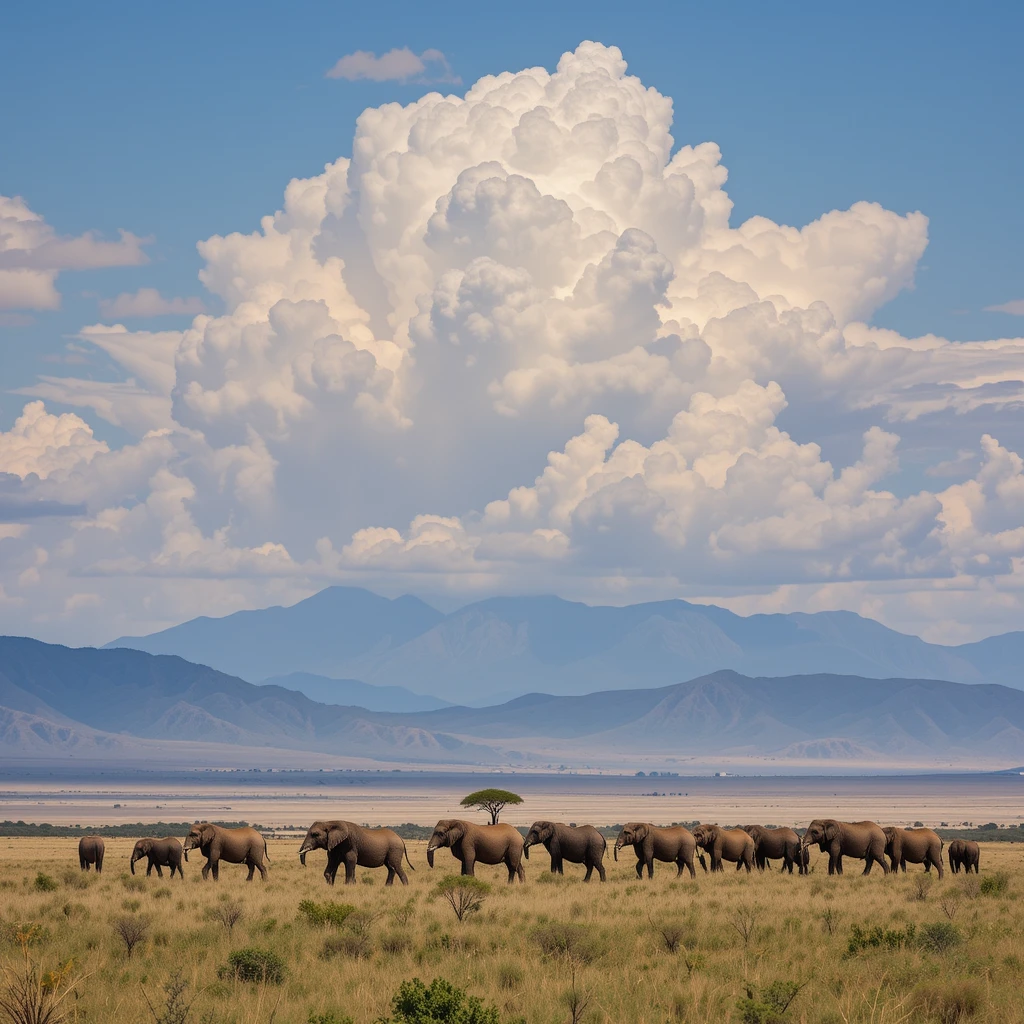
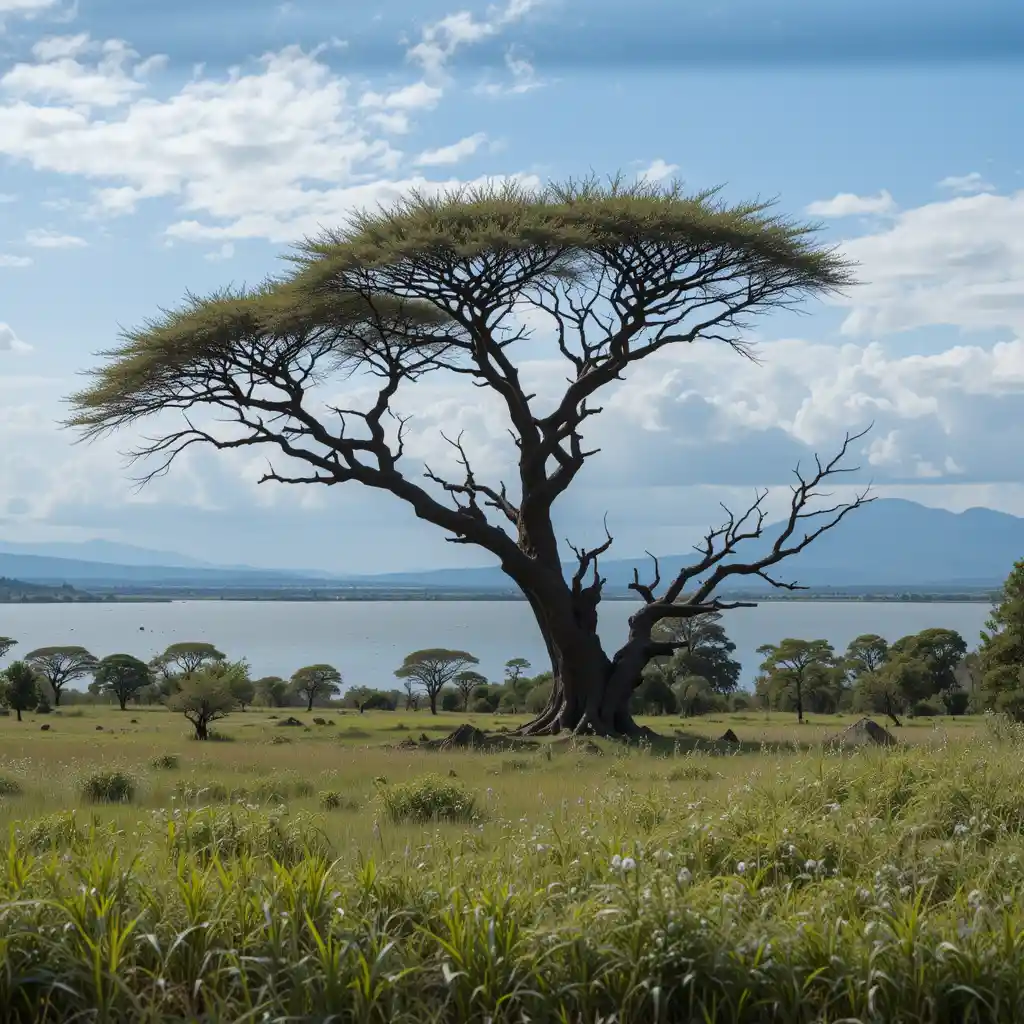
Marrakech Travel Guide 2026: 4-Day Itinerary, Riads, Costs and Safety Tips

Quick answer: A strong Marrakech trip uses three or four days for the medina, food, gardens and one outside excursion, with a riad chosen for location and recent reviews.

Marrakech travel guide 2026 itinerary planning with riad and budget tips
Marrakech Travel Guide 2026: 4-Day Itinerary, Riads, Costs and Safety Tips

What you will find in this guide

Best 4-day Marrakech itinerary

Marrakech works best when travelers slow down. The medina, souks, gardens and food experiences can fill several days without rushing.

Use one day for arrival and medina orientation, one day for gardens and palaces, one day for food and shopping, and one day for an excursion or hammam.

  • Day 1: medina arrival and Jemaa el-Fnaa
  • Day 2: Bahia Palace, gardens and souks
  • Day 3: food tour, hammam or shopping
  • Day 4: Atlas Mountains or Agafay Desert add-on

Where to stay

A riad can be the highlight of Marrakech, but location matters. Choose recent reviews that mention staff help, quiet rooms and easy pickup points.

First-timers should avoid booking only by photo. A beautiful riad can be difficult to find at night if it sits deep inside narrow medina streets.

  • Best atmosphere: medina riad
  • Best convenience: near a medina gate
  • Best calm option: Gueliz or Hivernage
  • Best splurge: riad with rooftop and strong reviews

Budget and costs

Marrakech can be affordable, but costs vary widely between simple riads, luxury stays and guided experiences. Budget travelers should plan for airport transfer, tips, food and one guided activity.

Souk shopping is part of the experience, but set a budget before you start. It is easy to overspend on items that were not in the plan.

  • Budget traveler: 45 to 90 USD per day
  • Mid-range traveler: 100 to 220 USD per day
  • Riad prices vary heavily by location and season
  • Guided food or walking tours can be worth it

Safety and mistakes to avoid

Most visitors have a good trip, but Marrakech is easier with simple boundaries. Confirm prices before services, use trusted transport and keep offline directions.

Dress and behavior should respect local context. The best travel experience comes from curiosity, patience and practical awareness.

  • Confirm taxi or transfer price before riding
  • Keep small cash for tips and markets
  • Avoid arriving at an unknown riad very late without pickup
  • Do not overpack the itinerary

Helpful CNC Travel planning links

FAQ

Is Marrakech safe for tourists?

Marrakech is generally safe for tourists who use normal city awareness, trusted transport and clear price agreements.

How many days do you need in Marrakech?

Three to four days is a good first Marrakech trip, with extra time if adding desert or Atlas excursions.

Should I stay in a riad in Marrakech?

A riad is often the most memorable stay, but choose one with recent reviews, clear pickup instructions and a location that fits your comfort level.

Discover the Magic of Africa Travel: Tips and Hidden Gems

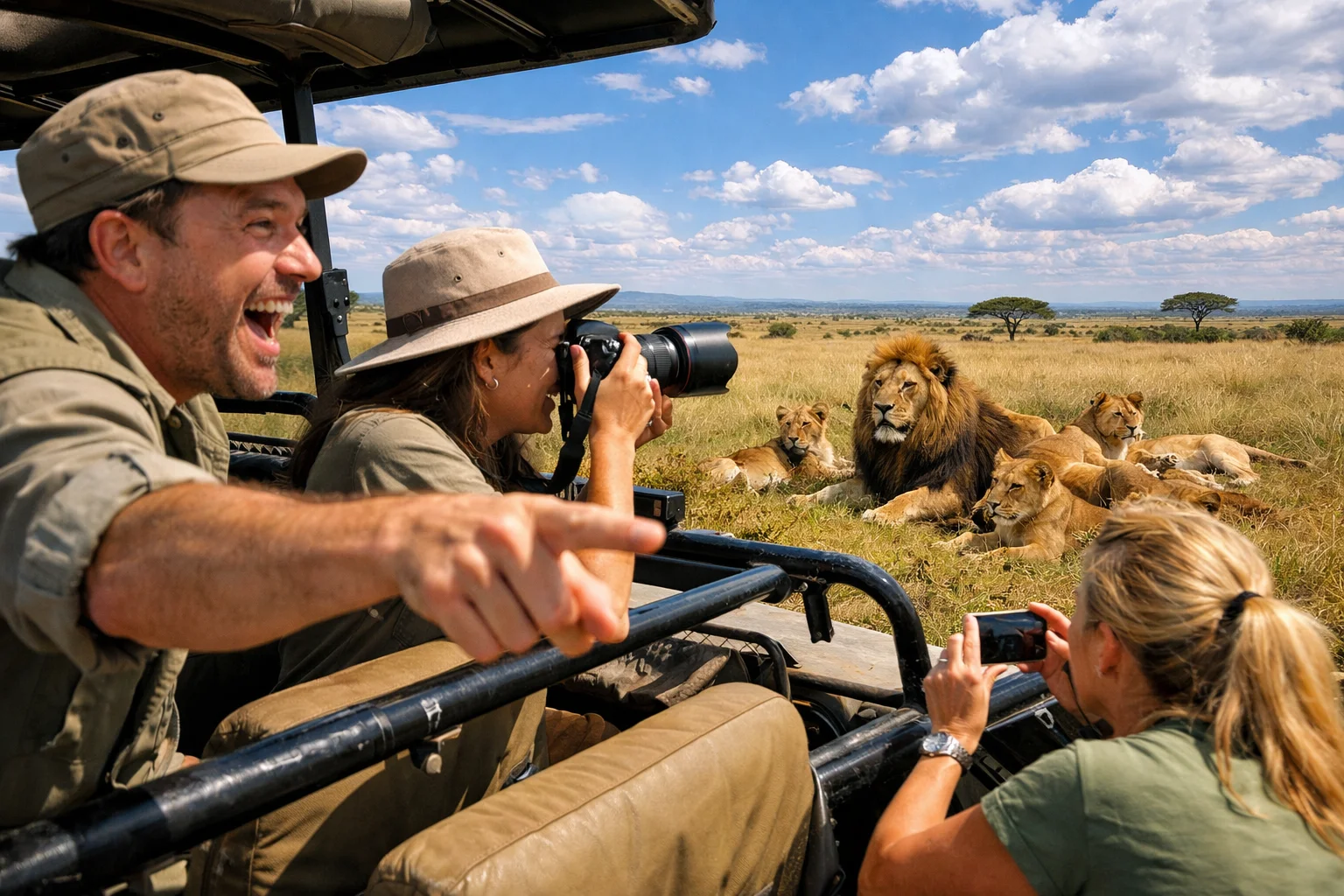
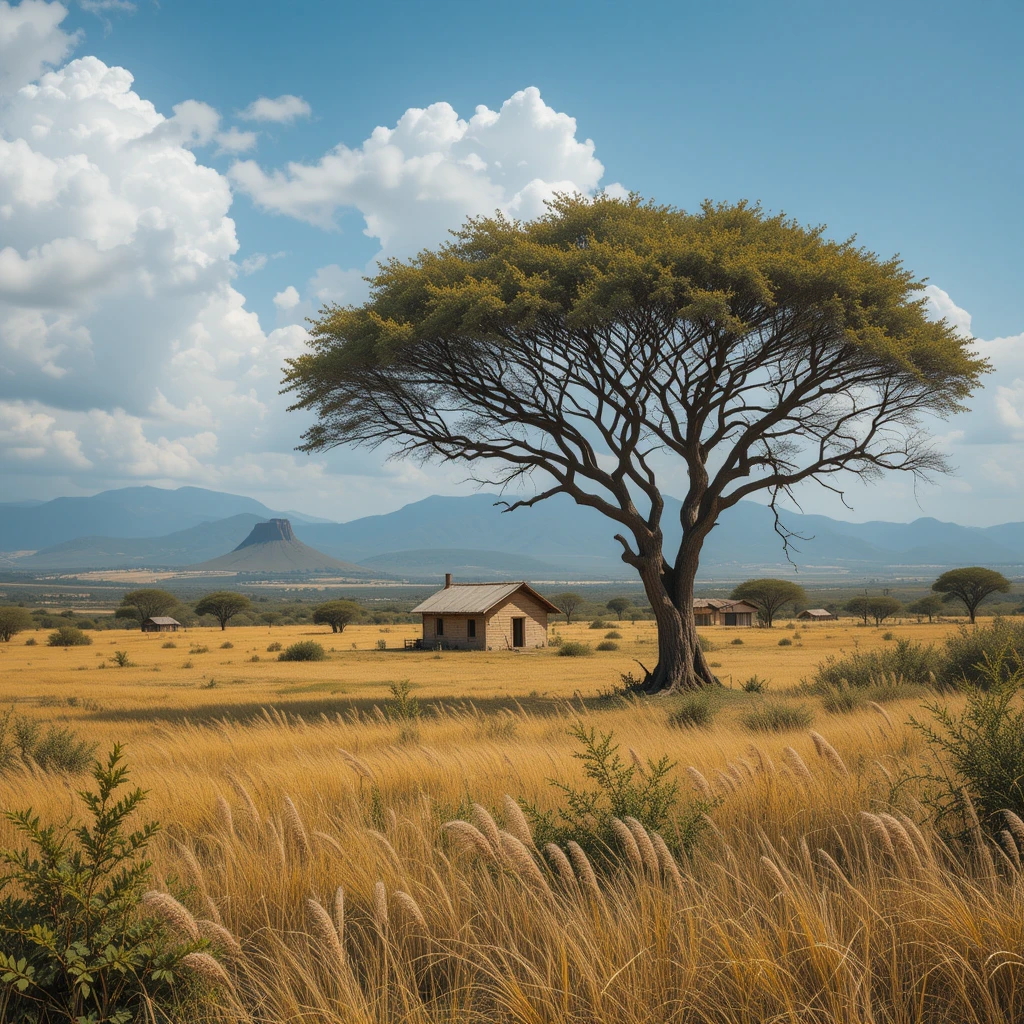
Luxury African safari adventure: explore unique wildlife and tailored travel experiences.

Quick answer: Africa travel is easiest to plan when you compare season, total trip cost, transport, where to stay and the main experience you want before booking.

Ever daydream about Africa travel but get stuck on where to start—like, is it all just giant safaris or what? I totally get it. The browsing, the planning, the wild mix of excitement and “wait, do I need a plug adapter for this?” (Yes, probably!) Whether you’re gunning for the bucket-list stuff or just wanna wander off the main road (side note: you should totally check out these 10 best places to go in Africa if you’re still stuck on options), I’ve found some gems and tricks that just make everything smoother. Oh! And travel apps—lifesavers. Don’t even think about packing till you peek at this list of must-have travel apps for your vacation. Seriously, Africa isn’t just a “one recipe fits all” deal; each country’s got its own flavor, promise.

Discover the Magic of Africa Travel: Tips and Hidden Gems


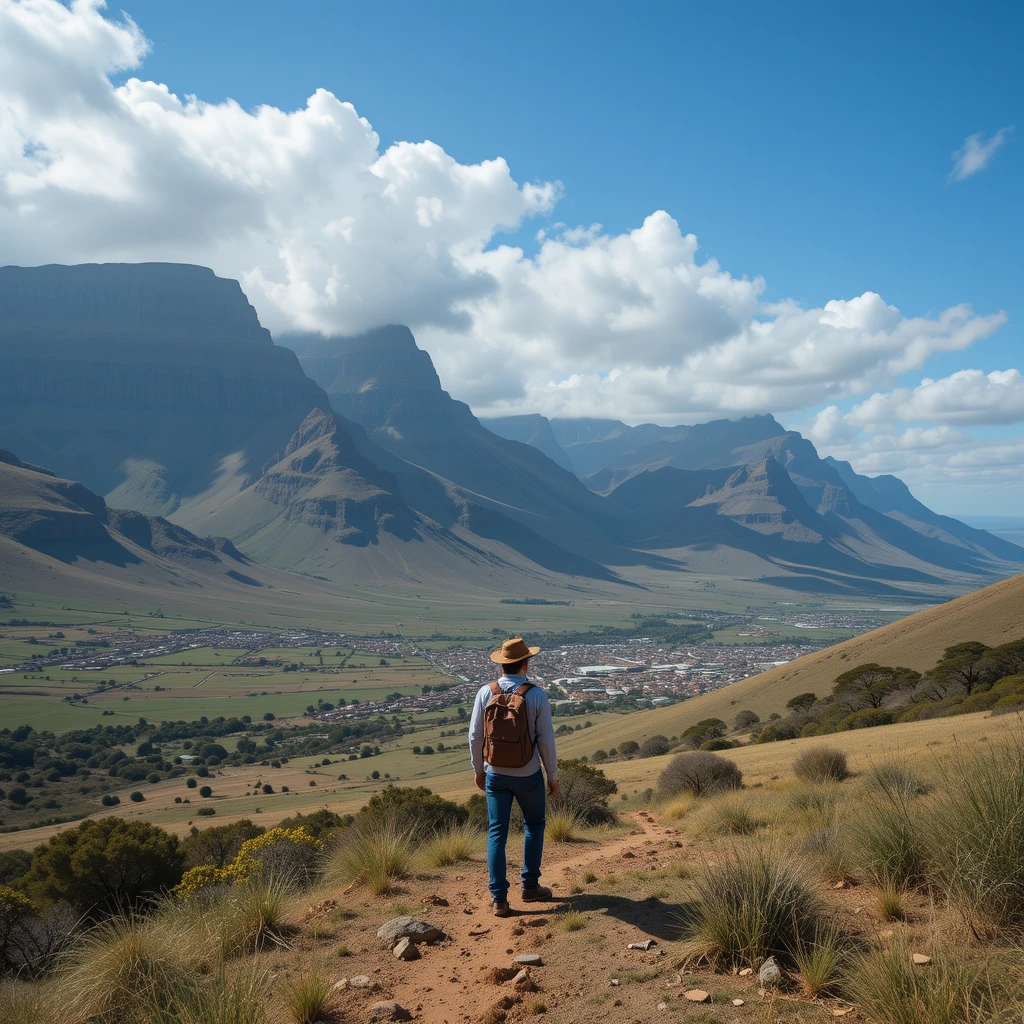
Explore the Wonders of South Africa – A World in One Country

If I had a dollar for every time someone raved about South Africa—a whopping, flavor-packed stew of cultures—I’d have enough to buy all the samosas at a Cape Town market. Here’s why I swear you can’t skip it:

  • Cape Town alone could fill a week (Table Mountain! Insane food! Penguins. You heard me. Penguins).
  • Road trips are basically mandatory—those Garden Route views are not subtle about showing off.
  • Wine lovers, you’ll want to move into the vineyards. Lunches here hit five-star restaurant level—picnics with a mountain view, you kidding me?
  • Look up “diversity” and you’ll just get a photo of the South African landscape.
“I thought I was just coming for the wildlife, but South Africa caught me off-guard with its food and people. It’s got energy, you know?” – Jen, backpacker and self-confessed biltong addict

Discover the Magic of Africa Travel: Tips and Hidden Gems

Unforgettable Adventures in Kenya – Land of the Safari

Kenya’s a classic, but man, it’s got some curveballs (in the best way). Think beyond lions:

  • Maasai Mara is safari central, sure—but the hot air balloon sunrise is what actually sticks.
  • Diani Beach? Post-safari chill spot. White sand so fine I found it in my shoes for days.
  • Markets are spicy, chaotic, and genuinely warm. Buy the mango from a cart; trust me on this.
  • Local guides make the biggest difference—storytelling that’s a show and a history lesson all at once.


Discover the Magic of Zambia – Wilderness Wonderland

Like your travel with less crowd and more “did you hear that hippo?” Zambia’s a secret I almost (almost) didn’t wanna share:

  • Victoria Falls is louder and wilder than the postcards let on.
  • Canoe safaris! Forget the jeep—gliding along the Zambezi River was the real deal for me.
  • Wild campsites. Think campfire under the stars, listening for elephants. (Tingly nerves, but safe.)
  • People are just…genuine. Got invited to dinner after a ten-minute chat—felt like visiting a cousin.


Enchanting Madagascar Awaits – Uncover Nature’s Hidden Gem

Forget movie lemurs—real Madagascar is something else entirely:

  • Baobab trees look almost fake—like some broccoli-forest from a painting.
  • Local markets are FULL of things you don’t recognize—but you’ll want to try all of them. Vanilla and zebu steak? Yes please.
  • Trekking in rainforests that make you feel like Indiana Jones, minus the stress.
  • Infrastructure’s a little wild—bumpy roads, quirky hotels, but worth every, uh, “adventure detour.”


Luxury Safaris

Alright, so maybe you want a slice of high-life with your safari. Been there, treated myself—totally recommend:

  • Private game drives mean you see the magic without the crowds or awkward bus chatter.
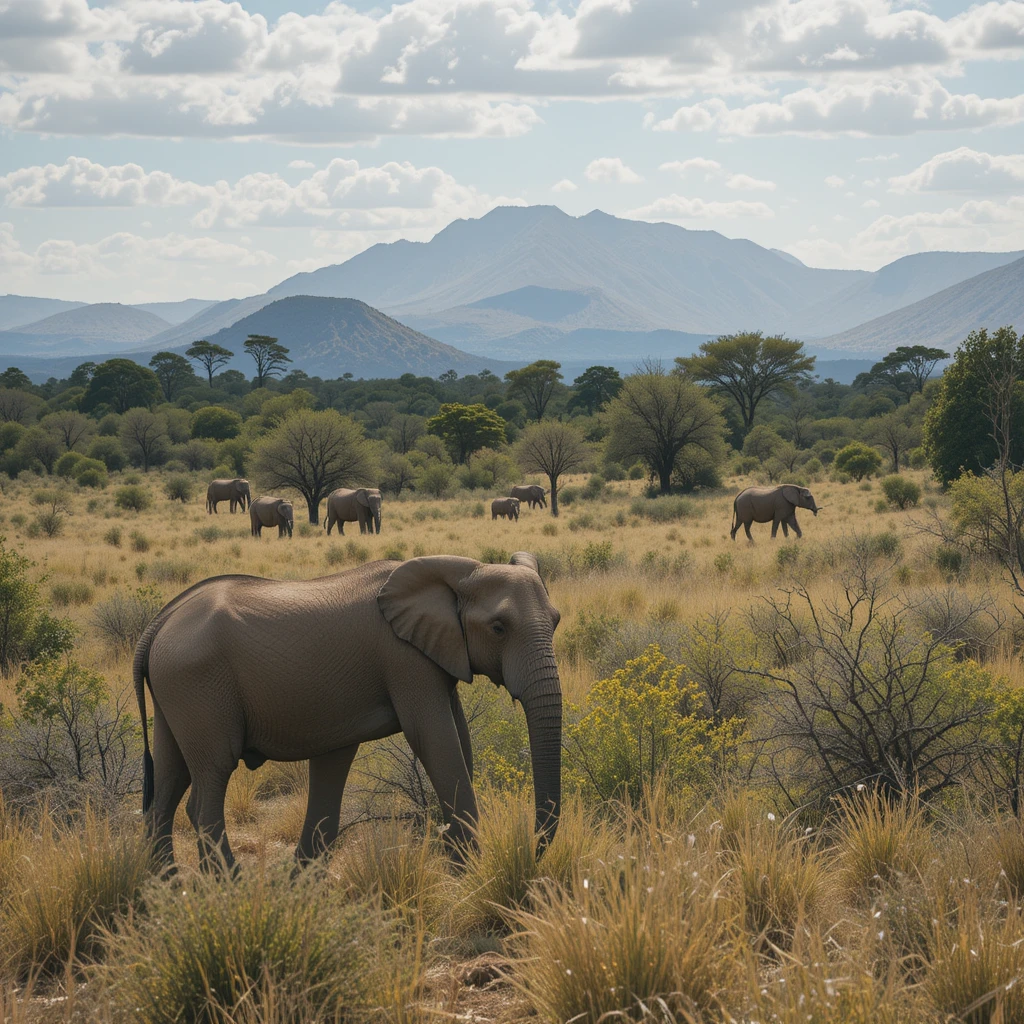
  • Sundowners (fancy word for drinks at sunset) with herds of elephants in the distance. Possible? Yep, and it’s honestly surreal.
  • Stays range from tented camps (that are nicer than my apartment) to lodges with infinity pools. Dreamy.
  • Good news: affordable options exist—see these affordable safari experiences in Africa and budget-friendly safari destinations in East Africa if you wanna mix luxury and value.

Common Questions

Do I need a visa for every African country?
Not quite. Each country does its own thing—always check before you go (so much less stress).

Is Africa safe for solo travelers, especially women?
Depends on where you’re headed. Some spots are super chill, others need a bit more caution. Read up (and maybe peek at this safety guide for women).

Budget or luxury—which is better?
Honestly, both rock. Mix and match if you can—splurge on a night, balance with local stays.

What’s the deal with food? Is it spicy?
Can be! But it’s way more diverse than people think. Street snacks, grilled meats, mind-blowing stews—you’ll never go hungry.

What essential items should I pack?
Light layers, plug adaptors, bug spray, and an open mind. (Oh, and a power bank. Lifesaver for those marathon travel days.)


Ready to Cook Up Your Own Africa Adventure?

Alright, I hope you’re a little less daunted and a whole lot more hyped for Africa travel now. No two trips (heck, no two lunches) on this continent are ever the same. There’s so much to experience, whether you’re chasing those Luxury African Safaris and Tours or following your own path using the Africa Travel Guide. And honestly, the real magic’s in the in-between moments—like a random roadside snack, or a spirited chat with a stranger. Want some travel inspo? Head over to Africa Travel for even more local flavor, or check out what’s new at Johannesburg’s Airbnb Africa Travel Summit.

Give it a try. Go slow, joke with your guides, and—my personal mantra—never skip dessert if there’s a chance to try something new. You’ll come home with better stories than any postcard can show.

Discover the Magic of Africa Travel: Tips and Hidden Gems

2026 Planning Update for Africa Travel

A stronger Africa travel plan starts with intent. Decide whether the trip is about price, scenery, comfort, food, events, outdoor access or a specific bucket-list moment. That decision makes the rest of the planning easier because every hotel, transfer and activity can be judged against the same goal.

For 2026, travelers should also compare total trip cost instead of only headline prices. A cheap hotel can become expensive if transport is weak, while a slightly higher nightly rate can save money if it includes breakfast, transit access or a better location.

Budget and Booking Tips

  • Book refundable accommodation early, then keep comparing prices.
  • Check airport, train or bus access before choosing where to stay.
  • Plan one main paid experience per day instead of overloading the itinerary.
  • Use grocery stops, local transport and shoulder-season dates to control costs.
  • Keep a small buffer for weather, delays, luggage storage or last-minute transfers.

Internal Planning Links

Official Resource to Check

Before finalizing the trip, check an official resource for current rules, entry requirements, park access, event details or health guidance: U.S. State Department international travel information.

Common Mistakes to Avoid

The most common mistake is planning from one viral photo or one cheap price. A useful itinerary checks distance, opening times, weather, local holidays, transfer costs and whether the experience still works if plans change.

Another mistake is ignoring the first and last day. Arrival and departure days often decide whether a trip feels smooth or stressful, so keep them lighter and avoid booking the most important activity immediately after a long transfer.

FAQ

How do you plan Africa travel on a budget?

Start with flexible dates, compare accommodation outside the most expensive zone, check transport before booking and keep one paid activity as the main highlight.

What should you check before booking Africa travel?

Check season, local transport, cancellation rules, official travel updates, safety requirements and whether the final cost includes food, transfers and extra fees.

Is Africa travel worth it in 2026?

Yes, if the trip matches your budget, season and travel style. A focused itinerary usually gives better value than trying to visit too many places at once.

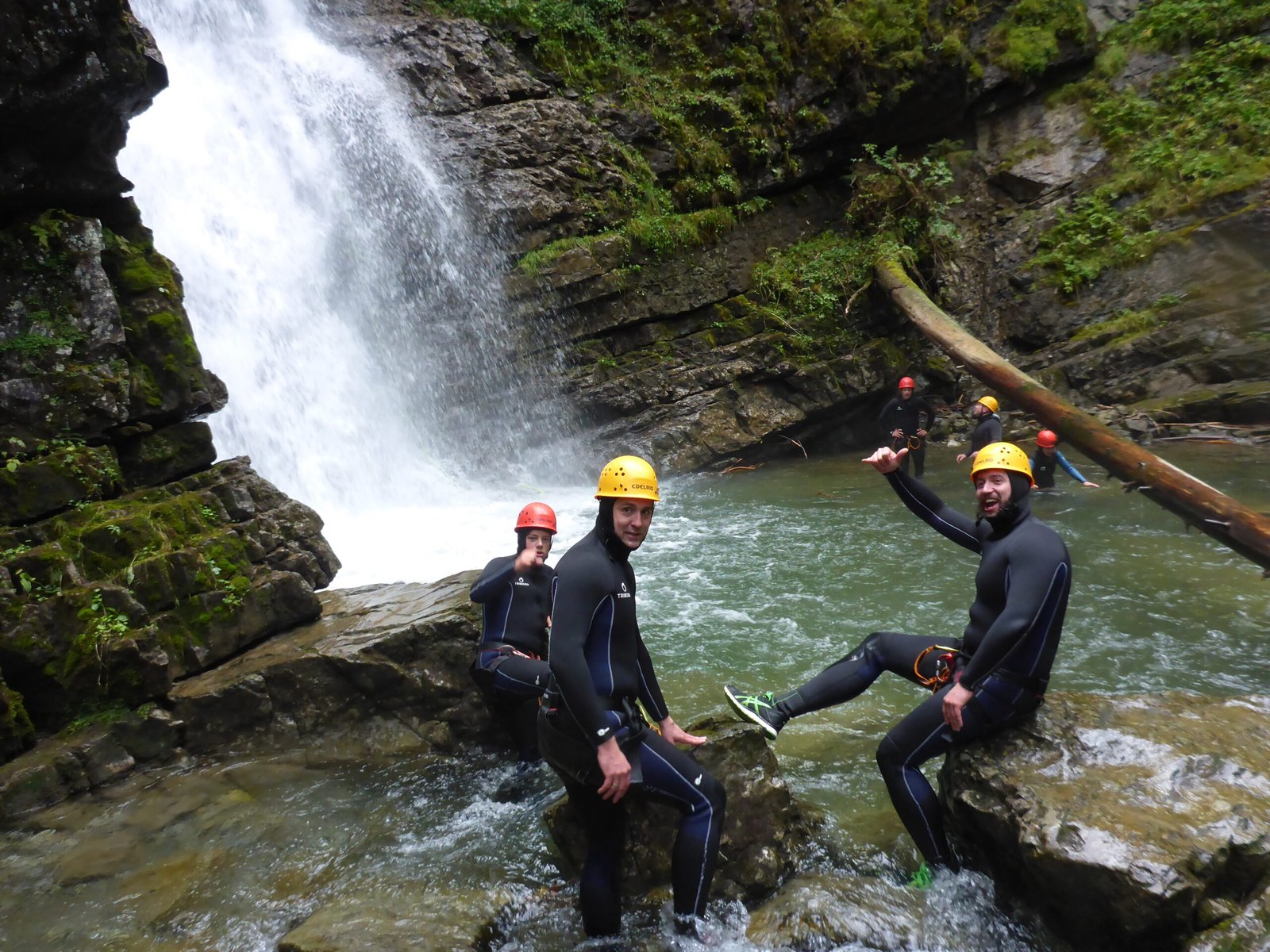
12 Beautiful Barbados Spots That Will Steal Your Heart

Beautiful Barbados spots showcasing stunning views and tropical landscapes
Barbados is a compact island packed with dramatic coastlines, lush interiors, and a warm, welcoming culture. Whether you’re after powdery beaches, hidden coves, or rum-scented history, the island delivers in a way few destinations can. If you enjoy exploring charming, photogenic towns in other parts of the world, you might like this short read on Alberobello 10 fun facts for a taste of how small places can hold big surprises.Below are twelve standout places in Barbados — each with its own personality and reason to stay a little longer.

1. Crane Beach

One of Barbados’s most famous beaches, Crane Beach offers soft pink-tinged sand and dramatic coral cliffs. It’s perfect for sunrise walks and postcard-perfect photos. The ocean here can be energetic, so swim with care or enjoy sunbathing and beachside dining.

2. Carlisle Bay

A favorite for snorkelers and history buffs, Carlisle Bay’s crystal waters are scattered with shipwrecks teeming with marine life. Rent a kayak or snorkel set and explore the underwater park, or simply relax on the calm sands.

3. Bathsheba and the Soup Bowls

On the rugged east coast, Bathsheba’s rock formations and surf breaks create surreal scenery. The Soup Bowls — natural rock pools that churn spectacularly at high tide — are a magnet for photographers and surfers seeking a dramatic backdrop.

4. Harrison’s Cave

Venture inland to see Barbados below ground at Harrison’s Cave. Walkways and trams lead through caverns of stalactites, stalagmites, and clear underground streams — a cool contrast to the island’s sunny beaches.

5. St. Nicholas Abbey

Step back in time at St. Nicholas Abbey, an exquisitely preserved 17th-century plantation house. The estate includes manicured grounds, a rum distillery, and guided tours that reveal colonial history and craftsmanship.

6. Miami Beach (Enterprise Beach)

Tucked near the airport, Enterprise Beach is a local favorite with shallow, calm waters and a welcoming atmosphere. It’s ideal for families and those wanting a peaceful beach day without the crowds.

7. Oistins Fish Fry

For authentic Bajan flavor, head to Oistins on a Friday night for the famed fish fry. Live music, fried flying fish, and island hospitality make this a must-do to experience local cuisine and community spirit.

8. Animal Flower Cave

At the northern tip of the island lies the Animal Flower Cave, with dramatic sea-level caverns and natural pools. The views of crashing Atlantic waves are breathtaking, and you can swim in the cave’s pools when conditions allow.

9. Andromeda Botanic Gardens

Set on a hillside in Bathsheba, Andromeda showcases a lush collection of tropical plants and flowers. Wander winding paths, enjoy sculpted landscapes, and spot hummingbirds and butterflies among the foliage.

10. Speightstown (Little Bristol)

Quieter than Bridgetown but rich in colonial architecture and seaside charm, Speightstown (sometimes called Little Bristol) offers galleries, cafés, and a relaxed harbor front ideal for strolling and people-watching.

11. Farley Hill National Park

Perched above the island’s west coast, Farley Hill National Park features the evocative ruins of an old great house and sweeping views over the Caribbean Sea. Pack a picnic and enjoy an afternoon surrounded by tropical foliage and history.

12. Sunset at Sandy Lane

Finish a day with a sunset at Sandy Lane or one of the adjacent west-coast beaches. The warm colors reflecting off calm waters create serene, romantic moments — the perfect capstone to any Barbados itinerary.

Practical Tips for Visiting

  • Transportation: Renting a car gives flexibility, but be ready to drive on the left; taxis and minibuses are plentiful for shorter hops.
  • Weather: Trade winds keep the climate pleasant, but the east coast can be windy and rough for swimming — plan accordingly.
  • Culture: Bajan friendliness is real — greet shopkeepers and servers with a smile, and you’ll be welcomed warmly.
  • Respect: Many natural sites are delicate; follow posted rules, especially around caves, coral reefs, and wildlife habitats.

Conclusion

If you’re inspired to compare island charms or plan a multi-destination itinerary that includes other Caribbean and nearby destinations, consider this helpful external reference to broaden your travel ideas: Wanderlusters’ visual guide to 7 must-see cities in Cuba.

2026 Planning Update for Barbados Spots

A stronger Barbados spots plan starts with intent. Decide whether the trip is about price, scenery, comfort, food, events, outdoor access or a specific bucket-list moment. That decision makes the rest of the planning easier because every hotel, transfer and activity can be judged against the same goal.

For 2026, travelers should also compare total trip cost instead of only headline prices. A cheap hotel can become expensive if transport is weak, while a slightly higher nightly rate can save money if it includes breakfast, transit access or a better location.

Budget and Booking Tips

  • Book refundable accommodation early, then keep comparing prices.
  • Check airport, train or bus access before choosing where to stay.
  • Plan one main paid experience per day instead of overloading the itinerary.
  • Use grocery stops, local transport and shoulder-season dates to control costs.
  • Keep a small buffer for weather, delays, luggage storage or last-minute transfers.

Internal Planning Links

Official Resource to Check

Before finalizing the trip, check an official resource for current rules, entry requirements, park access, event details or health guidance: U.S. State Department international travel information.

Common Mistakes to Avoid

The most common mistake is planning from one viral photo or one cheap price. A useful itinerary checks distance, opening times, weather, local holidays, transfer costs and whether the experience still works if plans change.

Another mistake is ignoring the first and last day. Arrival and departure days often decide whether a trip feels smooth or stressful, so keep them lighter and avoid booking the most important activity immediately after a long transfer.

FAQ

How do you plan Barbados spots on a budget?

Start with flexible dates, compare accommodation outside the most expensive zone, check transport before booking and keep one paid activity as the main highlight.

What should you check before booking Barbados spots?

Check season, local transport, cancellation rules, official travel updates, safety requirements and whether the final cost includes food, transfers and extra fees.

Is Barbados spots worth it in 2026?

Yes, if the trip matches your budget, season and travel style. A focused itinerary usually gives better value than trying to visit too many places at once.
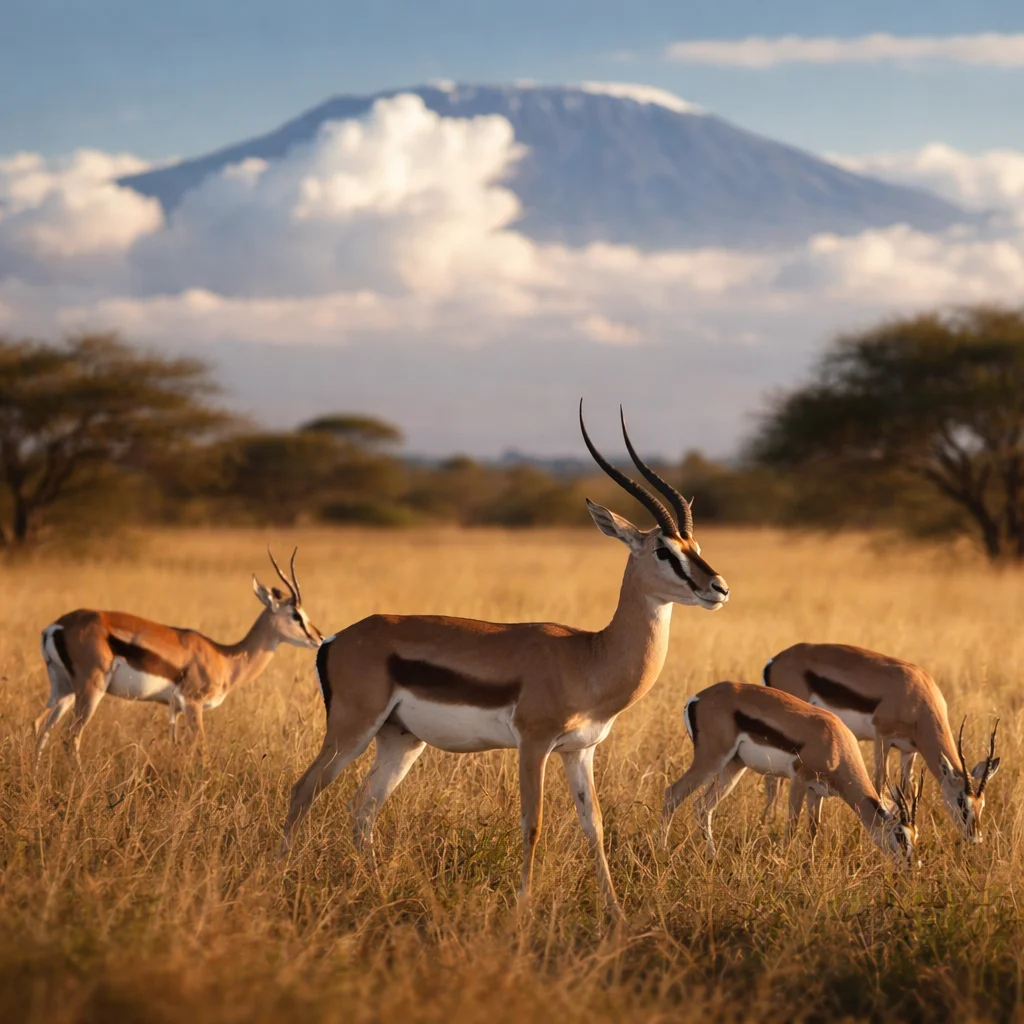
10 Best Places to Go in Africa (and What to Do There)

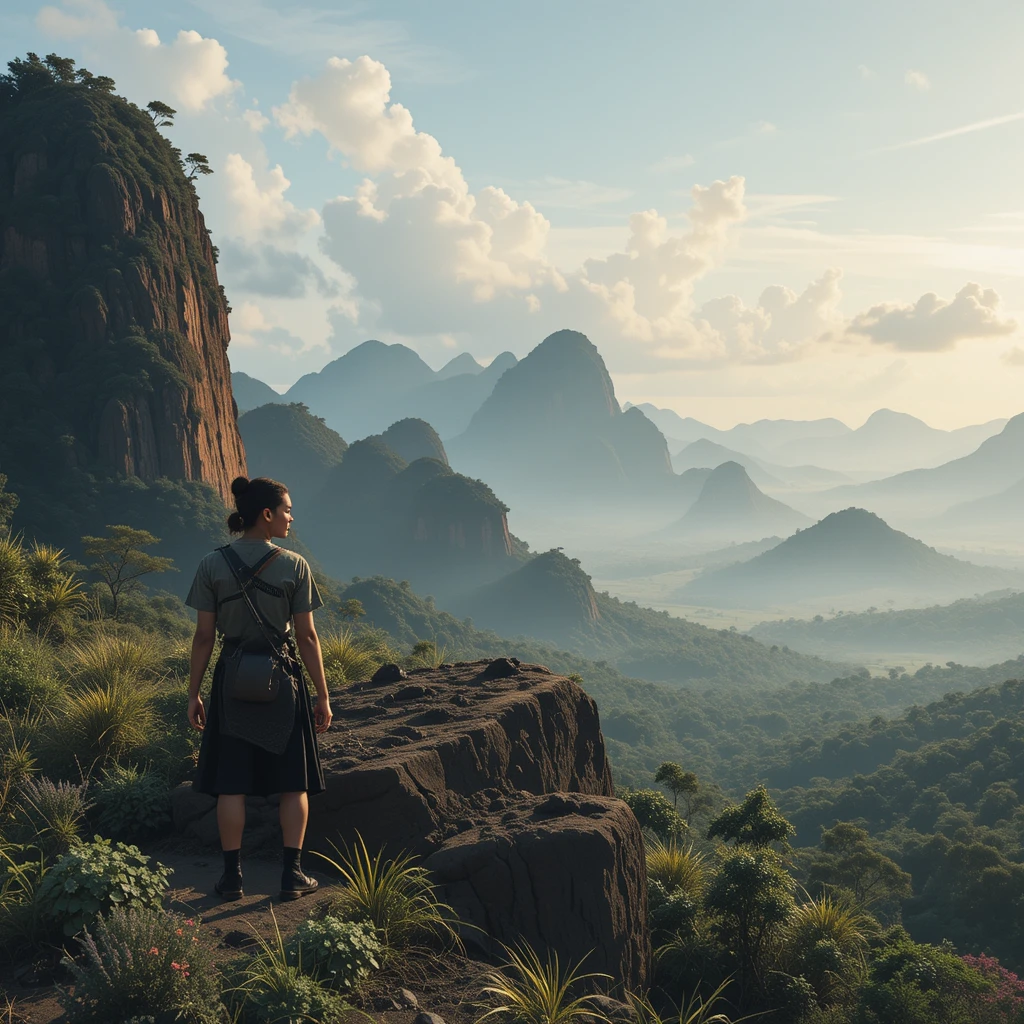
Stunning landscapes and iconic sites in the top 10 places in Africa
Africa is vast, diverse and endlessly surprising — from sweeping deserts and towering dunes to lush wetlands, ancient ruins and vibrant cities. Below are ten standout destinations across the continent with the activities that make each one unforgettable. If you’re planning multi-region travel, you might also enjoy a comparison with top destinations outside Africa like this guide to 10 best places to visit in Mexico to get inspiration for contrasting scenery and culture.
  1. Marrakech, Morocco — Medina delights and desert gateways
  • What to do: Wander the medina and Jemaa el-Fnaa square, visit the Bahia Palace and Jardin Majorelle, haggle in souks, and take a multi-day camel trek or 4×4 trip into the Sahara to sleep under the stars.
  • Tip: Stay in a riad for authentic architecture and quieter evenings away from the square.
  1. Cairo & Giza, Egypt — Ancient wonders on the Nile
  • What to do: See the Great Pyramids of Giza and the Sphinx, explore the Egyptian Museum in Cairo, and ride a felucca on the Nile at sunset. Extend to Luxor for the Valley of the Kings.
  • Tip: Hire a knowledgeable local guide at the pyramids to skip the crowds and learn hidden histories.
  1. Cape Town & the Western Cape, South Africa — Mountains, coasts and culture
  • What to do: Hike or take the cable car up Table Mountain, drive the Cape Peninsula to Cape Point, visit Robben Island, and enjoy wine-tasting in Stellenbosch or Franschhoek. For wildlife, add a malaria-free Big Five reserve or Kruger Park.
  • Tip: Combine city life with scenic drives along Chapman’s Peak for iconic views.
  1. Masai Mara, Kenya — Classic safari and the Great Migration
  • What to do: Game drives for lions, elephants and cheetahs; hot-air balloon safaris at dawn; cultural visits to Maasai villages. Time a trip for the wildebeest migration (July–October) for dramatic river crossings.
  • Tip: Choose conservation-minded lodges that support community projects.
  1. Serengeti & Zanzibar, Tanzania — Endless plains and spice-scented beaches
  • What to do: Witness the vast Serengeti ecosystem on safari, climb or view extinct volcano Ngorongoro Crater, then relax on Zanzibar’s white sand beaches and explore Stone Town’s spice markets.
  • Tip: Pack light layers — plains mornings can be cool while islands stay warm.
  1. Okavango Delta, Botswana — Water-based wilderness
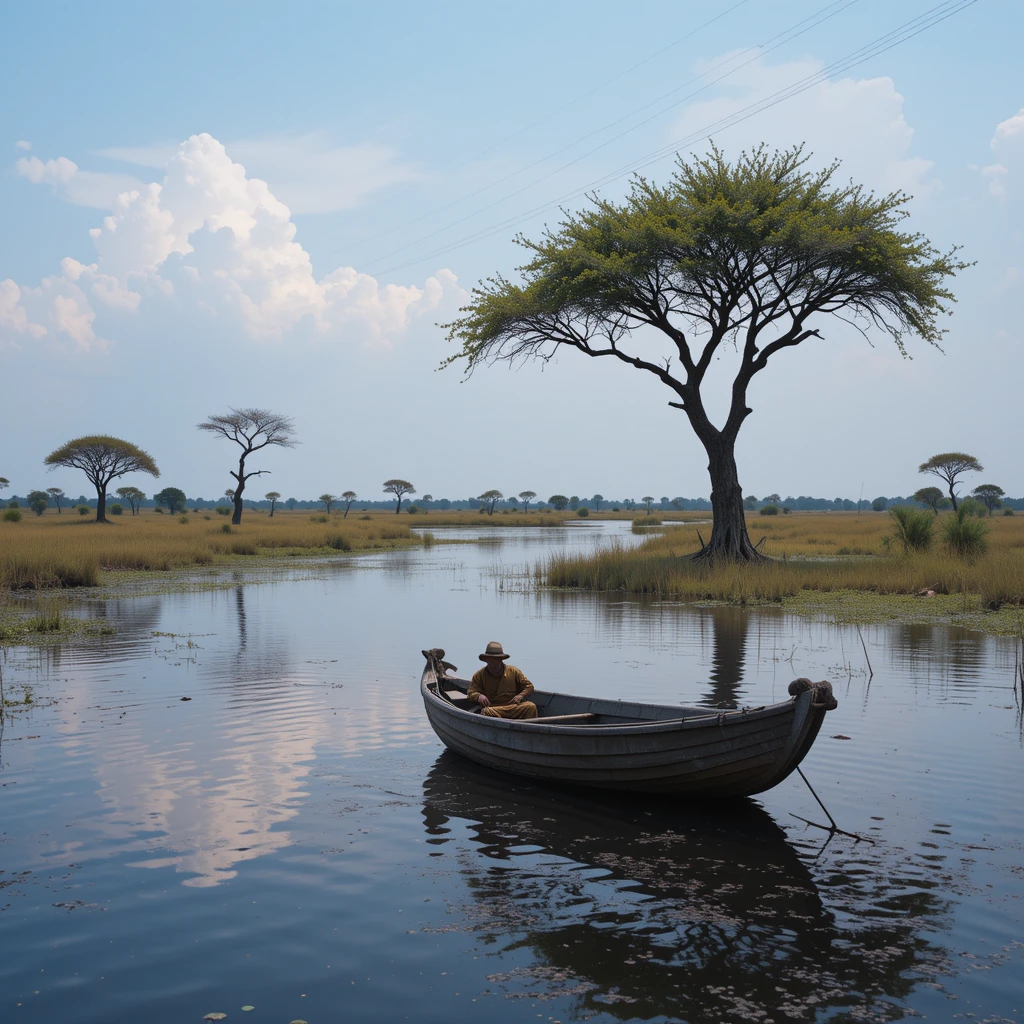
  • What to do: Take mokoro (dugout canoe) trips through channels, guided walking safaris, and boat rides to see hippos and diverse birdlife in a remarkably water-rich landscape.
  • Tip: Travel during the dry season for concentrated wildlife; the flood season offers spectacular water scenery.
  1. Sossusvlei, Namibia — Dramatic dunes and stark beauty
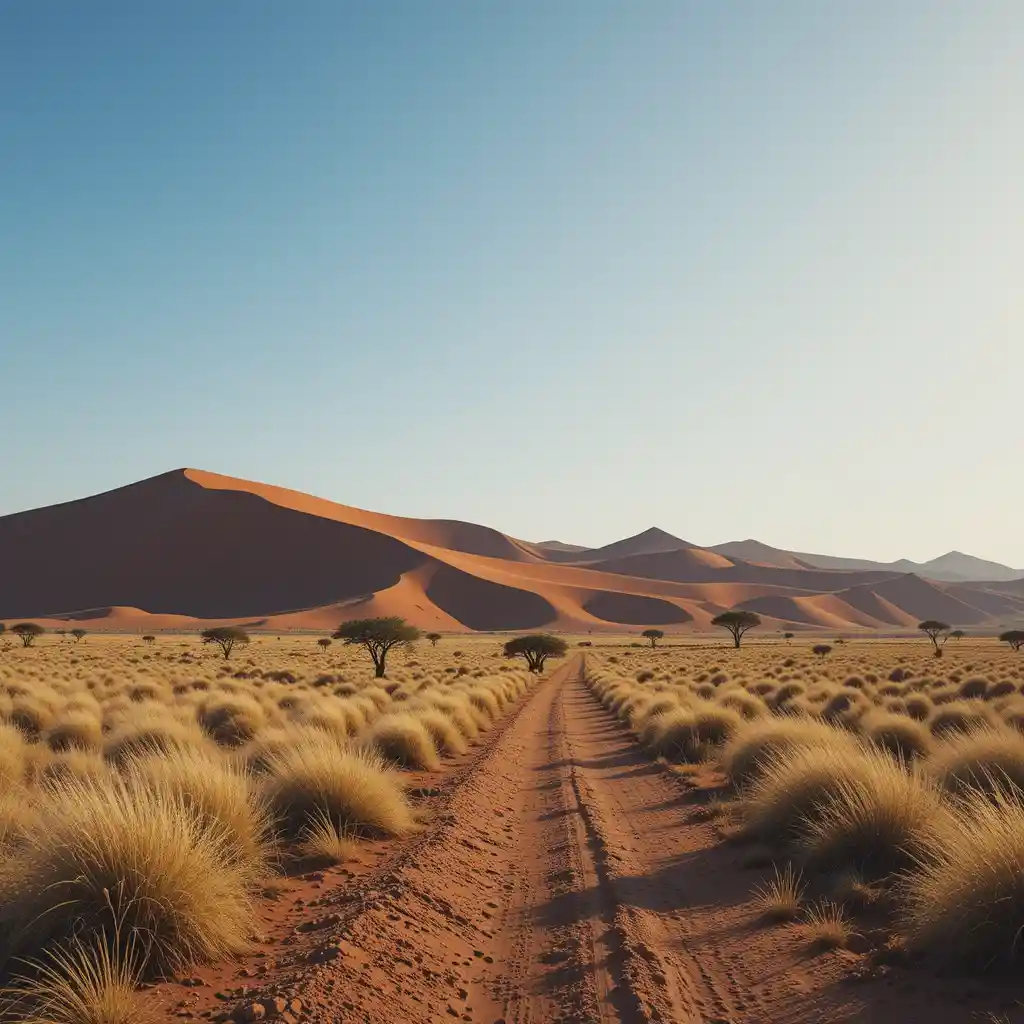
  • What to do: Climb the “Big Daddy” dune at sunrise, photograph Deadvlei’s sun-bleached trees, and drive scenic gravel roads that showcase vast, open skies.
  • Tip: Early mornings are best for photography and cooler temperatures.
  1. Volcanoes National Park, Rwanda — Mountain gorilla trekking
  • What to do: Trek to see mountain gorillas in their natural habitat (permits required), hike with golden monkeys, and visit local conservation and community projects.
  • Tip: Gorilla permits are limited — book well in advance and prepare for steep, muddy trails.
  1. Lalibela, Ethiopia — Rock-hewn churches and spiritual history
  • What to do: Explore the UNESCO-listed rock-cut churches connected by tunnels, attend Orthodox services for an immersive cultural experience, and sample unique Ethiopian cuisine and coffee traditions.
  • Tip: Modest dress is appreciated at religious sites; hire a local guide to understand symbolic carvings.
  1. Seychelles — Coral islands and serene beaches
  • What to do: Snorkel or dive colorful reefs, hike granite island trails (Anse Source d’Argent on La Digue), and relax at secluded beach coves with luxury or eco-friendly lodges.
  • Tip: Island-hopping by ferry or short flights reveals very different vibes across the archipelago.
Practical tips for traveling Africa
  • Health & safety: Check vaccination and malaria prophylaxis recommendations well before travel. Carry copies of important documents and register with your embassy if recommended.
  • Logistics: Distances can be long; combine flights and overland travel strategically. For safaris, travel with vetted operators who prioritize animal welfare.
  • Respect & culture: Learn basic greetings, respect local customs (dress, photography permissions), and support community-run experiences when possible.

Conclusion

For an updated, ranked overview of top African and Middle Eastern vacations and to compare destinations as you finalize your itinerary, see this curated list of Best Places to Visit in Africa for 2026.

2026 Planning Update for Africa

A stronger Africa plan starts with intent. Decide whether the trip is about price, scenery, comfort, food, events, outdoor access or a specific bucket-list moment. That decision makes the rest of the planning easier because every hotel, transfer and activity can be judged against the same goal.

For 2026, travelers should also compare total trip cost instead of only headline prices. A cheap hotel can become expensive if transport is weak, while a slightly higher nightly rate can save money if it includes breakfast, transit access or a better location.

Budget and Booking Tips

  • Book refundable accommodation early, then keep comparing prices.
  • Check airport, train or bus access before choosing where to stay.
  • Plan one main paid experience per day instead of overloading the itinerary.
  • Use grocery stops, local transport and shoulder-season dates to control costs.
  • Keep a small buffer for weather, delays, luggage storage or last-minute transfers.

Internal Planning Links

Official Resource to Check

Before finalizing the trip, check an official resource for current rules, entry requirements, park access, event details or health guidance: U.S. State Department international travel information.

Common Mistakes to Avoid

The most common mistake is planning from one viral photo or one cheap price. A useful itinerary checks distance, opening times, weather, local holidays, transfer costs and whether the experience still works if plans change.

Another mistake is ignoring the first and last day. Arrival and departure days often decide whether a trip feels smooth or stressful, so keep them lighter and avoid booking the most important activity immediately after a long transfer.

FAQ

How do you plan Africa on a budget?

Start with flexible dates, compare accommodation outside the most expensive zone, check transport before booking and keep one paid activity as the main highlight.

What should you check before booking Africa?

Check season, local transport, cancellation rules, official travel updates, safety requirements and whether the final cost includes food, transfers and extra fees.

Is Africa worth it in 2026?

Yes, if the trip matches your budget, season and travel style. A focused itinerary usually gives better value than trying to visit too many places at once.
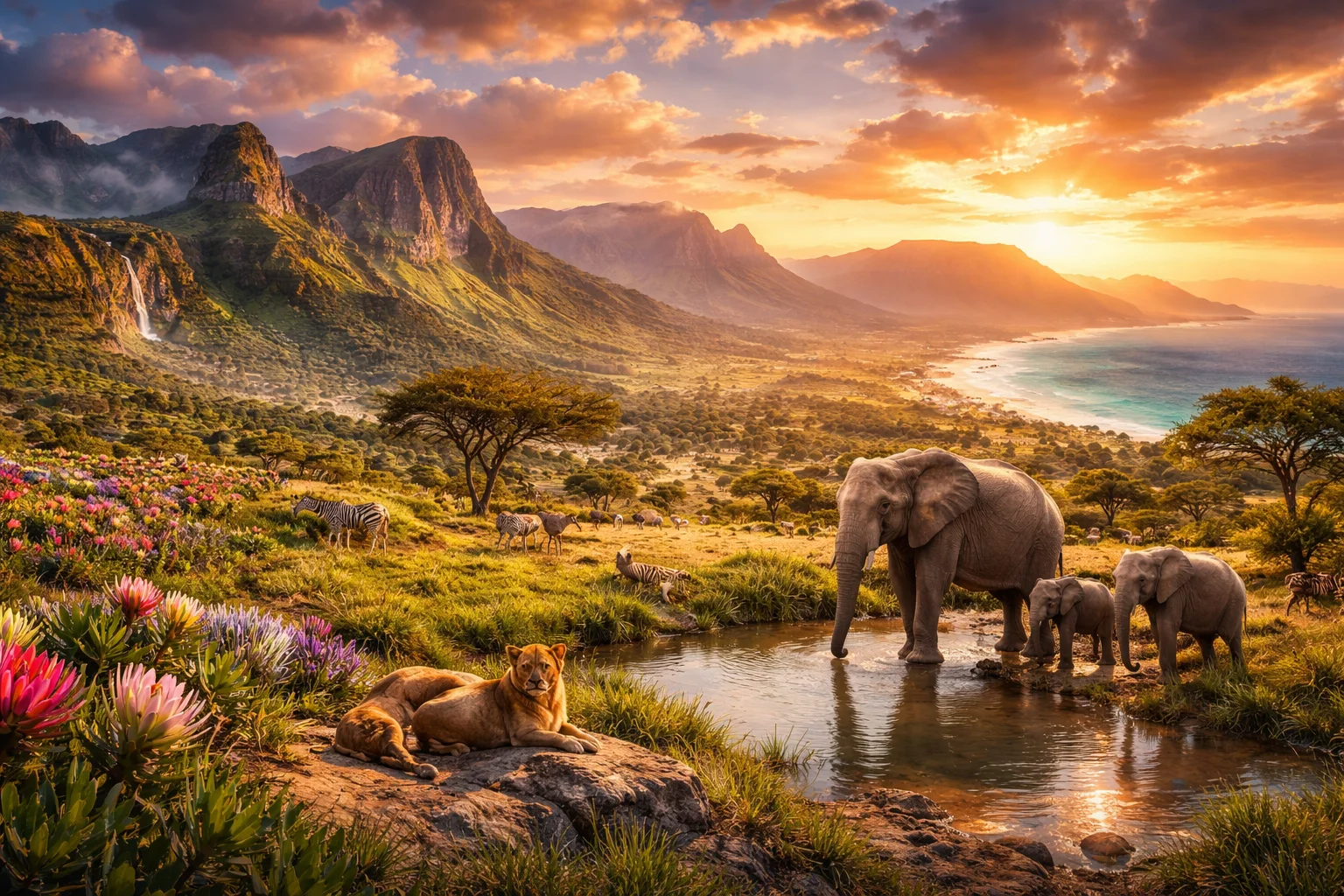
Essential Packing Tips for an African Safari

Embrace the Adventure—But Pack Like a Pro

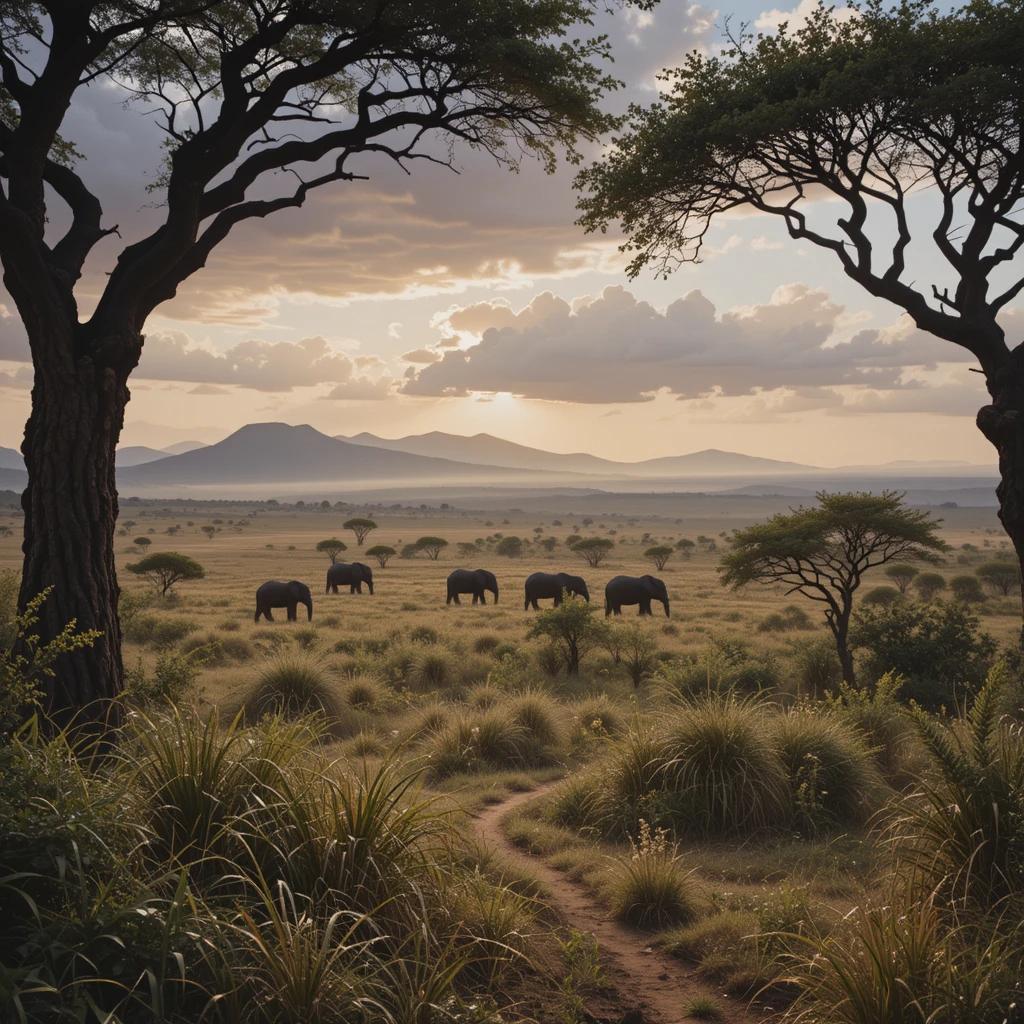
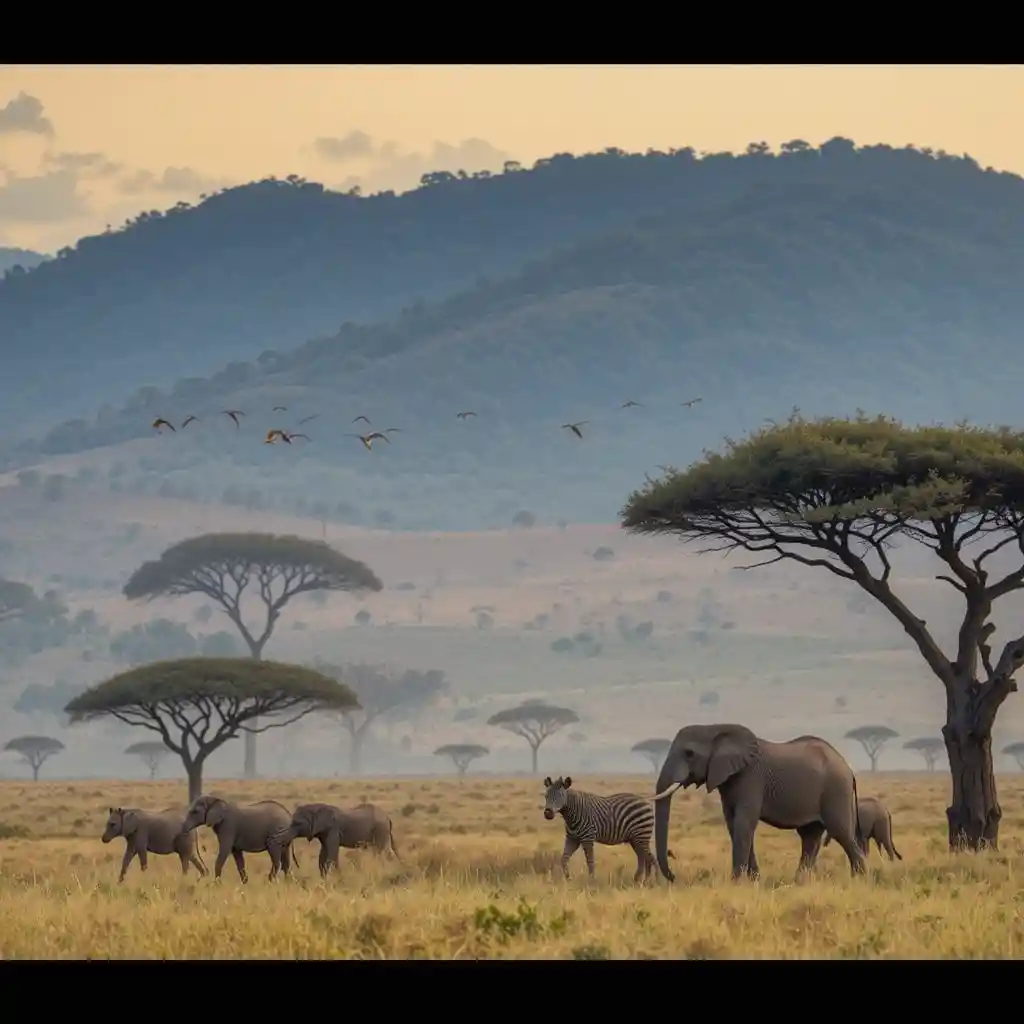
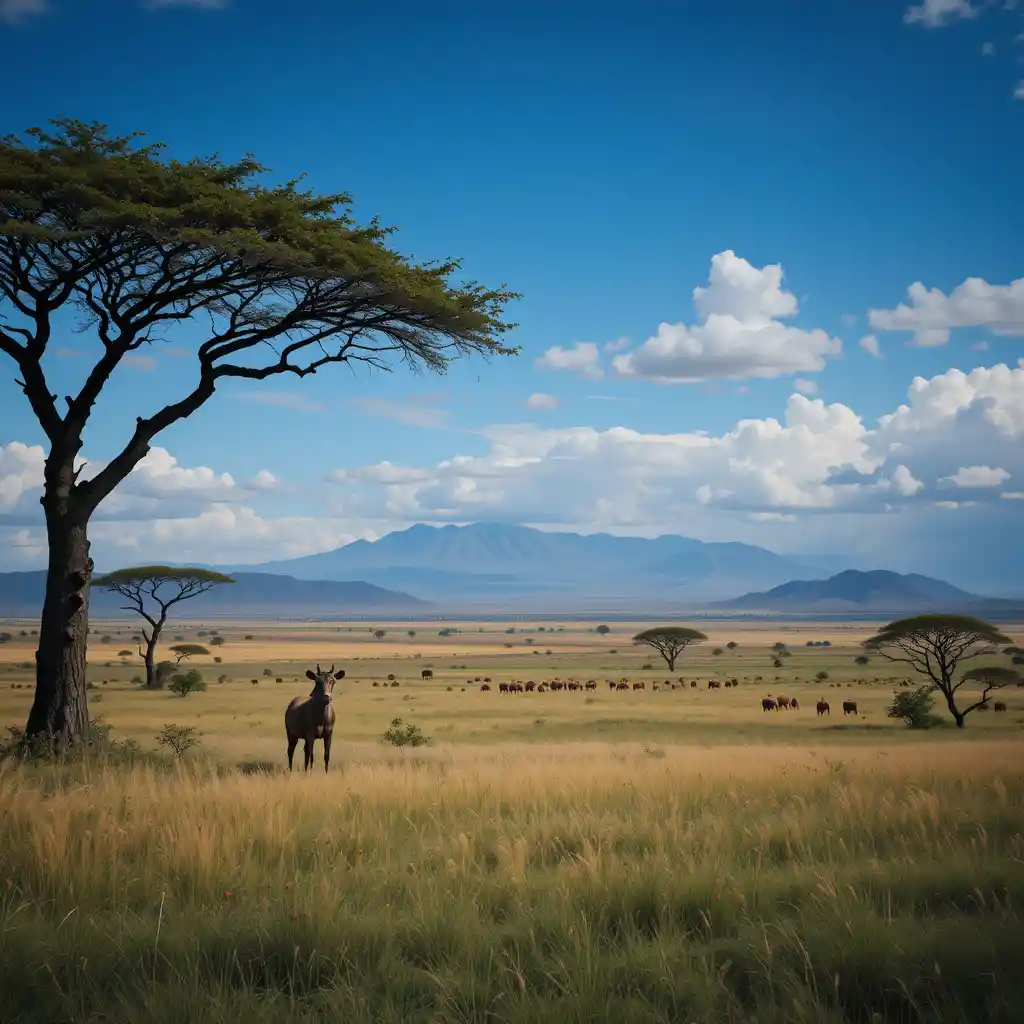
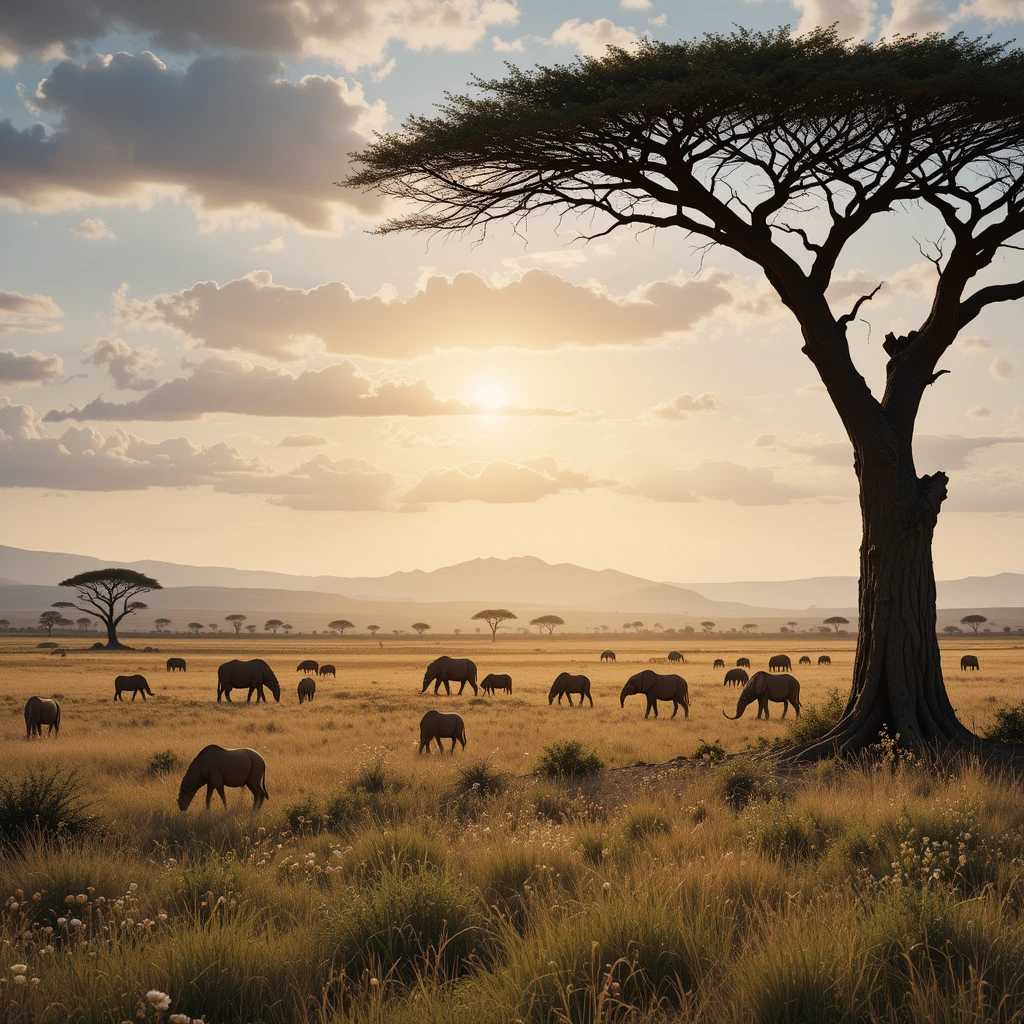
So, you’re heading off on an African safari? That’s not just a vacation—it’s a once-in-a-lifetime journey into the wild heart of nature. Imagine the sun setting behind acacia trees while elephants roam in the distance, or hearing lions roar under a star-speckled sky. But to fully enjoy this awe-inspiring experience, there’s one crucial thing you must get right: your packing. Without the right gear and essentials, your dream trip could easily turn into a logistical nightmare. This guide will walk you through everything you need to pack for a seamless, safe, and unforgettable safari.


Why Packing Smart Matters on Safari

You can’t simply throw a few things in a suitcase and hope for the best. Safaris bring their own set of challenges: extreme weather, remote locations, and unpredictable terrain.

Challenges You Might Face

  • Weight restrictions on bush planes
  • Inaccessible shops in the wild
  • Sudden weather changes
  • Need for discreet, practical attire

The Ultimate Safari Packing List (Clothing & Gear)

Neutral Colors are King

Wearing khaki, olive, or beige isn’t just about fashion—it’s a survival tactic. Bright colors attract insects and might scare off wildlife.

What to Pack:

  • 2–3 moisture-wicking T-shirts (earth tones)
  • 2–3 long-sleeved shirts (for sun & insect protection)
  • 2 pairs of lightweight safari pants (convertible ones are great!)
  • 1 fleece or jacket (early mornings can be freezing!)
  • 1 wide-brim hat or safari cap
  • 1 lightweight rain jacket or poncho
  • 1 swimsuit (yes, some lodges have pools!)
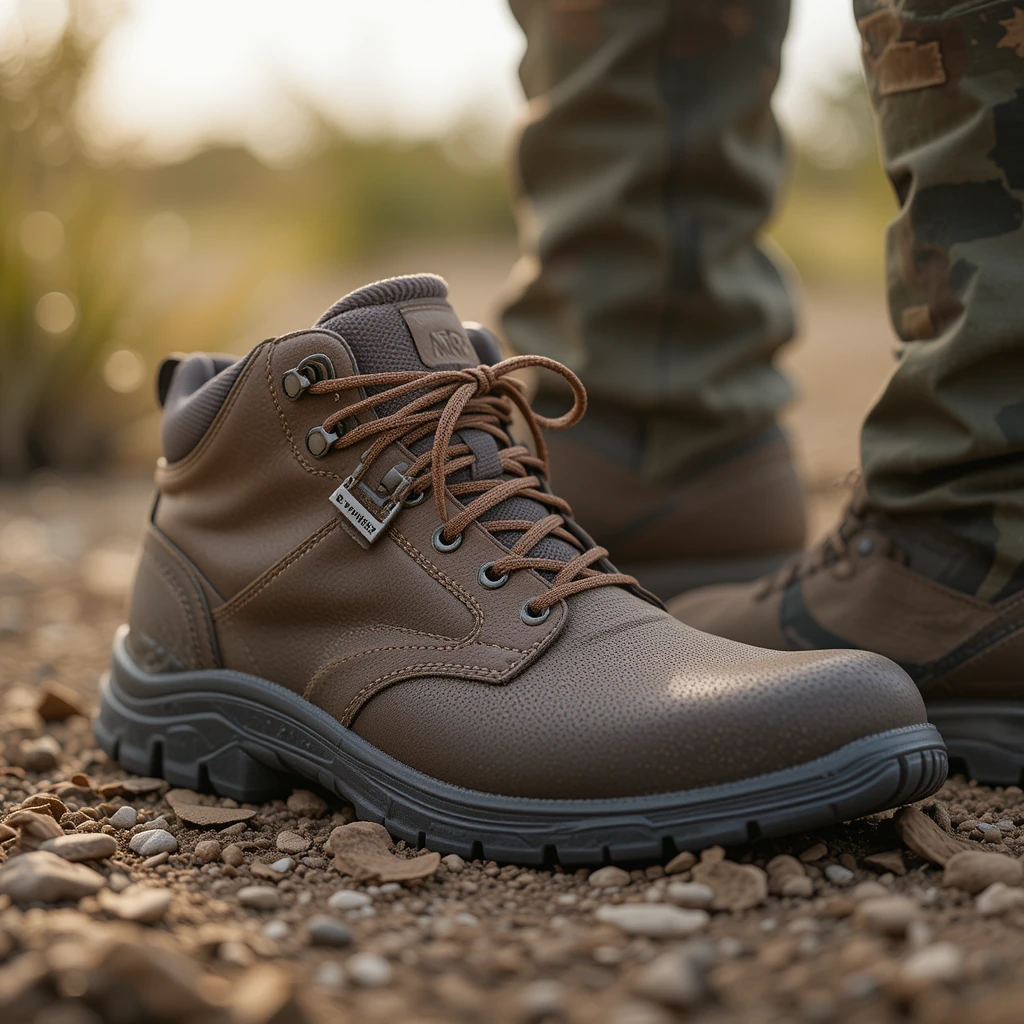
  • 1 pair of comfortable, closed-toe shoes for game drives
  • Flip-flops or sandals for relaxing at camp

Footwear Essentials for Safari Terrain

Footwear Essentials for Safari Terrain

Best Shoes for Every Situation

Safari terrain can vary from dusty tracks to muddy trails. You’ll want sturdy, broken-in footwear.

Pro Tips:

  • Choose hiking shoes over heavy boots
  • Avoid brand-new shoes—you’ll regret the blisters
  • Pack quick-dry socks to prevent sweat buildup

Luggage and Bags: What Works Best

Choose Soft-sided Duffels Over Hard Shell Suitcases

Bush planes often have strict weight limits (usually 15–20 kg) and small luggage holds.

Ideal Safari Luggage:

  • 1 soft-sided duffel bag (max 24 inches)
  • 1 daypack or backpack for excursions
  • Packing cubes to organize your stuff

Safari Gear You Can’t Leave Behind

Binoculars & Tech Gadgets

Don’t rely on your guide’s binoculars—bring your own for the best experience.

Must-Pack Safari Gadgets:

  • Binoculars (8×42 is a great spec)
  • Camera with extra memory cards and batteries
  • Portable charger or solar power bank
  • Flashlight or headlamp
  • Travel adapter (check plug types per country)

Toiletries & Personal Items

Toiletries & Personal Items

Keep it Light but Functional

You won’t find a pharmacy in the middle of the Serengeti, so bring your essentials.

Your Safari Toiletry Kit Should Include:

  • Biodegradable soap and shampoo
  • Toothbrush and small toothpaste
  • Quick-dry travel towel
  • Wet wipes and hand sanitizer
  • Lip balm with SPF
  • Sunscreen (reef-safe, SPF 30+)
  • Insect repellent with DEET or picaridin
  • Personal medications and mini first aid kit

Health & Safety Must-Haves

Be Prepared for Anything

Safaris are generally safe, but remote settings require personal responsibility.

Health Essentials:

  • Antimalarial medication (check with your doctor)
  • Anti-diarrheal tablets
  • Electrolyte packets
  • Band-aids and antiseptic cream
  • Prescription meds in original packaging

Safari-Specific Extras You’ll Be Glad You Packed

  • A lightweight scarf or buff (dust protection)
  • Travel laundry soap (many camps offer laundry services)
  • Ziploc bags for snacks, trash, or damp clothes
  • Notebook or journal for recording your memories

Photography Tips & Packing List

Capture the Magic Without Regret

You’ll kick yourself later if you forget a lens or run out of memory during a cheetah chase.

Photography Gear Checklist:

  • DSLR or mirrorless camera
  • Zoom lens (at least 300mm for wildlife)
  • Backup batteries
  • Lens cloth and brush
  • Bean bag for camera stability (great in jeeps!)

Weather Prep: From Chilly Mornings to Blazing Afternoons

Layering is Your Best Friend

Safari days often start cold and end in scorching heat. Dress smart.

Your Safari Layer Strategy:

  1. Base layer (T-shirt)
  2. Mid-layer (long sleeve or fleece)
  3. Outer shell (windbreaker or raincoat)

Important Documents to Carry

Don’t just rely on your phone—paper backups are still king in the wild.

Document Checklist:

  • Passport + extra copies
  • Visa (if required)
  • Travel insurance docs
  • Vaccination certificates (like Yellow Fever)
  • Copy of your itinerary
  • Emergency contact info

Food & Snacks: Stay Energized

What to Pack for the Trails

While most lodges provide amazing food, always have a backup snack stash.

Best Safari Snacks:

  • Energy bars or granola
  • Dried fruit and nuts
  • Instant coffee or tea sachets
  • Electrolyte drink powders

Safari Packing Tips for Families

Taking your kids? Awesome! Just tweak your list a bit.

Family Essentials:

  • Extra layers and hats for kids
  • Kid-friendly snacks and activities
  • Child-safe bug repellent and sunscreen
  • Familiar blanket or stuffed animal

Sustainability on Safari: Eco-Friendly Choices

Respect the Land You Came to Admire

Small decisions make a big impact on the environment.

Eco-Friendly Packing Tips:

  • Bring a reusable water bottle
  • Choose reef-safe toiletries
  • Avoid single-use plastics
  • Support local artisans and guides

Safari Packing Table for Quick Reference

Item CategoryEssentials
ClothingNeutral shirts, pants, jacket, hat
FootwearHiking shoes, sandals
ToiletriesBiodegradable products, meds, wipes
GearBinoculars, camera, power bank
DocumentsPassport, travel insurance, itinerary
SnacksEnergy bars, dried fruits, hydration mixes

Final Safari Packing Advice

Don’t wait until the last minute. Lay out everything a week ahead. Check it twice. If it doesn’t serve a specific purpose, leave it behind. You’ll thank yourself when you’re bouncing in a jeep, wind in your hair, eyes locked on a leopard in the distance—not worried about an overstuffed bag.

Conclusion: Make Every Moment Count

Packing right for your African safari is more than just ticking boxes—it’s about preparing for an experience that could change the way you see the world. When you’re well-prepared, you’re free to soak up the magic, from the golden plains to the thundering herds. So use this guide as your roadmap to adventure, and let nothing get in the way of your wild dreams.


Frequently Asked Questions (FAQs)

1. What clothes should I avoid wearing on safari?

Avoid bright colors, white, and camouflage (which is often restricted). Stick with earthy tones like khaki, olive, and beige.
2. Do I need a power adapter in Africa?
Yes. Adapter types vary by country, so check in advance. Most lodges use British or South African plug types.

3. Can I bring a drone on safari?

Usually not. Drones are banned in many national parks for safety and privacy reasons.

4. What is the weight limit for luggage on safari?

Most bush planes limit you to 15–20 kg (33–44 lbs) of soft-sided luggage, including carry-ons.

5. Should I bring cash or rely on cards?

Bring a mix. Cash (especially USD) is great for tips and local markets. Credit cards work at most lodges, but don’t count on ATMs in remote areas.

Top Wildlife Destinations in Africa


Step Into the Wild: Why Africa Calls to Your Inner Explorer

Step Into the Wild: Why Africa Calls to Your Inner Explorer

When was the last time you felt truly alive? Not just busy or distracted, but utterly immersed in something bigger than yourself? If you’re nodding, then it’s time to follow that instinct into the wild heart of Africa. Picture this: you’re surrounded by the earthy scent of acacia trees, your camera lens focused on a lioness stretching beneath the sun, and your pulse racing with every crunch of footsteps in the bush.

Africa isn’t just another vacation destination it’s a transformation. You won’t just see animals. You’ll feel their world, step into their rhythm, and come back changed.


Why Africa Is the Ultimate Wildlife Destination

You’re not just searching for adventure you want authenticity. And Africa delivers. From sweeping savannahs to dense jungles and hidden deltas, every ecosystem you step into opens up a new layer of natural wonder.

What Makes African Safaris Unique?

  • Biodiversity that blows your mind: Lions, leopards, elephants, rhinos, and buffalo—all in one trip? Yes.
  • Cultural immersion: Local tribes like the Maasai bring color, story, and heart to your experience.
  • Unfiltered encounters: You’re not just watching wildlife you’re stepping into their home.

Top Wildlife Destinations in Africa You Need to Visit

Each of the following places isn’t just famous they’re unforgettable. These are the destinations where the magic of the wild is real, where time slows down, and where you reconnect with the raw.


1. Serengeti National Park, Tanzania

Serengeti National Park, Tanzania

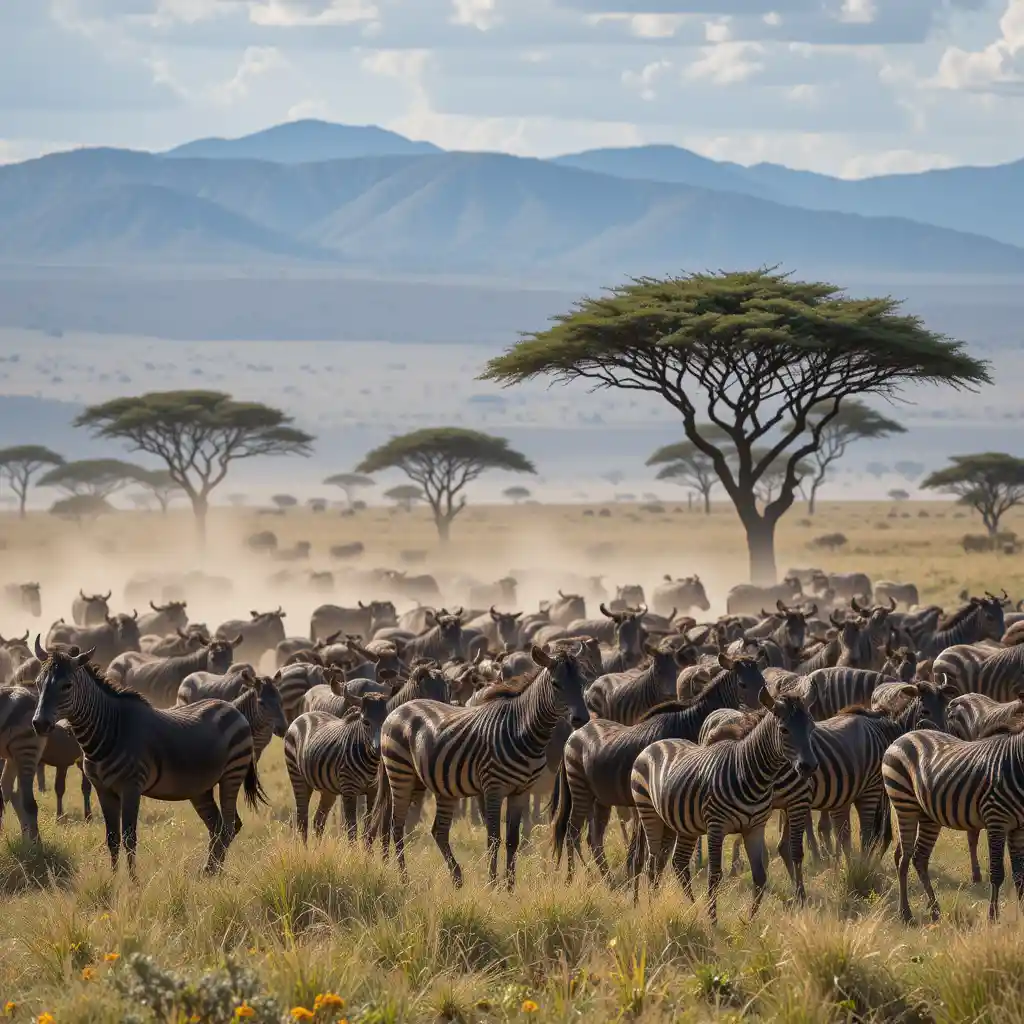
If your dream includes endless plains dotted with wildebeest and thundering hooves, this is where you belong.

Why you’ll love it:

  • The Great Migration: Over 2 million animals on the move—it’s Earth’s most dramatic wildlife spectacle.
  • Big Cat territory: You’re almost guaranteed a close-up of lions, cheetahs, or leopards.
  • Sky-high perspective: Hot air balloon rides at sunrise offer a surreal view of the action.

Insider Tip: Visit from June to October for the best migration sightings.


2. Masai Mara National Reserve, Kenya

Masai Mara National Reserve, Kenya

You’ve probably seen documentaries filmed here—and now it’s your turn to live the story.

Highlights:

  • Iconic Big Five sightings
  • Cultural immersion with Maasai warriors
  • Golden-hour game drives that steal your breath

When to go: July to October for the migration or February for baby animals and predator action.


3. Kruger National Park, South Africa

Kruger National Park, South Africa

Don’t want to compromise comfort for adventure? Kruger gives you both.

What’s in it for you:

  • Self-drive safaris: Explore at your pace with well-marked roads and maps.
  • Luxury meets wild: Choose between budget bush camps or 5-star lodges with infinity pools.
  • Accessibility: Fly into Johannesburg, rent a car, and you’re game-spotting in hours.

Wild Fact: Kruger houses over 500 bird species—bring those binoculars!


4. Okavango Delta, Botswana

You’ve never seen Africa like this—floating on tranquil waters while elephants wade nearby.

Why it stands out:

  • Water-based safaris: Glide silently through lily-covered channels in a mokoro (dugout canoe).
  • Rich in rare species: Spot the elusive African wild dog or a shy sitatunga antelope.
  • Unspoiled paradise: No crowds. Just pure, untouched wilderness.

Best travel window: June to August when the delta is full and wildlife concentrated.


5. Etosha National Park, Namibia

Etosha National Park, Namibia

If you crave the road less traveled, Etosha will give you solitude and a spectacle.

What you’ll discover:

  • Dramatic salt pans: White landscapes stretch to the horizon.
  • Unique animal behaviors: Animals gather around waterholes, giving you front-row seats.
  • DIY friendly: Self-drive routes let you explore freely.

Prime time: May through October when animals converge at the pans.


6. South Luangwa National Park, Zambia

South Luangwa National Park, Zambia

Want to ditch the Jeep and walk into the wild? This park invented walking safaris.

Why it’s for you:

  • Thrill of tracking animals on foot
  • Up-close nature experiences without barriers
  • Incredible leopard sightings at dusk

Go from June to October for dry season game viewing.


Wildlife Destination Comparison Table

DestinationCountryExperience TypeTop SeasonUnique Feature
SerengetiTanzaniaGreat Migration SafariJune – OctoberMassive wildebeest herds
Masai MaraKenyaClassic Safari & CultureJuly – OctoberMaasai village tours
KrugerSouth AfricaSelf-drive & LuxuryMay – SeptemberEasy access, modern lodges
Okavango DeltaBotswanaWater SafariJune – AugustMokoro canoe adventures
EtoshaNamibiaRemote & ScenicMay – OctoberSalt pans and waterhole viewing
South LuangwaZambiaWalking SafariJune – OctoberLeopard-rich and rustic

How to Choose the Right African Safari for You

Before booking, ask yourself these questions:

What kind of traveler are you?

  • Do you prefer comfort or thrill? Kruger and Mara cater to both. Luangwa leans more rugged.
  • Do you want to self-drive or be guided? Namibia’s Etosha is perfect for independent explorers.

What animals are you eager to see?

  • Predator lovers should head to Serengeti or South Luangwa.
  • Elephant fans will be thrilled in Botswana.
  • Birdwatchers should not skip Kruger.

How long can you travel?

  • For a quick trip: Choose parks near major airports like Kruger or Masai Mara.
  • For slow travel: Combine parks in Tanzania and Kenya for two-week expeditions.

Essential Safari Packing List

Don’t get caught unprepared—your comfort depends on the right gear.

  • Neutral-colored clothing (no bright reds or whites)
  • Binoculars and zoom camera
  • Wide-brimmed hat and sunscreen
  • Mosquito repellent and basic first-aid
  • A travel journal to capture the unforgettable

Frequently Asked Questions About Top Wildlife Destinations in Africa

Is a safari in Africa safe for first-timers?

Absolutely. If you follow your guide’s instructions, choose reputable lodges, and stay aware, it’s both thrilling and safe.

Do I need vaccines or travel insurance?

Yes. Yellow fever, hepatitis, and malaria prevention are commonly advised. Always get travel insurance—nature is unpredictable.

Can I do a wildlife safari on a budget?

You can. Opt for group tours, national park camps, and fly into major hubs like Johannesburg or Nairobi to save on flights.

What’s the difference between East and Southern African safaris?

East Africa (Tanzania, Kenya) offers sweeping migrations and open savannahs. Southern Africa (Botswana, South Africa) gives you diverse terrain, more privacy, and luxury lodges.


Final Thoughts: Let the Wild Welcome You

You’ve dreamed of this for years—the dust under your boots, the sound of lions at night, the sun rising over golden plains. These top wildlife destinations in Africa aren’t just photos on a travel brochure. They’re living, breathing memories waiting to be made.

Don’t keep Africa waiting. Whether you’re traveling solo, as a couple, or with a group, there’s a safari with your name on it.

Book your African adventure now—because the wild doesn’t wait.

Affordable Safari Experiences in Africa

A Safari Dream Within Reach

You’ve probably seen the pictures elephants roaming the savannah, lions lounging under acacia trees, and fiery sunsets over the horizon. An African safari is the stuff of dreams. But maybe you’ve also heard it’s only for the ultra-rich, the luxury traveler, or the once-in-a-lifetime splurge. Here’s the good news: you don’t have to empty your savings to experience the magic of the wild. Affordable safari experiences in Africa are real, attainable, and often more authentic than their pricey counterparts.

Whether you’re traveling solo, as a couple, or with your family, there are ways to explore Africa’s stunning landscapes and wildlife without compromising your budget. This guide is here to show you how.


Why Africa Offers Exceptional Value for Safari Travel

Why Africa Offers Exceptional Value for Safari Travel

Diversity Without the Premium Price

You’ll find no shortage of variety across Africa. From Kenya’s iconic plains to Namibia’s otherworldly deserts, each country offers a unique flavor of adventure. And the best part? Many of these destinations cater to budget-conscious explorers like you.

Exchange Rates Work in Your Favor

Your currency might go further than you think. In countries like Tanzania, Kenya, and Uganda, favorable exchange rates can help you afford more—better accommodations, guided tours, and delicious meals—without the sticker shock.

Travel Smart: Shoulder Seasons

The secret? Visit during the shoulder or green season. These months offer lower prices and fewer crowds, yet still provide excellent wildlife viewing. Think April to June or October to early December.


Top Budget Safari Destinations in Africa

Kenya: Classic Safari on a Budget

Kenya: Classic Safari on a Budget

Kenya’s Maasai Mara may sound like a high-end destination, but you can still enjoy it affordably. Group safaris, public campgrounds, and local guides make a real difference in price. Consider joining others in a shared tour or staying at a community-run lodge for an immersive, cost-effective experience.

Tanzania: Culture and Wildlife on a Shoestring

Tanzania

While the Serengeti is well-known, you can save big by exploring the lesser-visited parks like Tarangire or Lake Manyara. Opt for camping safaris or mobile tent experiences that offer a deeper connection to nature.

South Africa: The Self-Drive Capital

South Africa

Kruger National Park is a haven for budget travelers. Here, you can rent a car and explore on your own. Stay at public rest camps and stock up on supplies for a DIY experience that’s both thrilling and affordable.

Namibia: Off the Beaten Path

Namibia: Off the Beaten Path

Etosha National Park combines dramatic scenery with excellent wildlife viewing. Rent a 4×4 with a rooftop tent and camp at budget-friendly sites, where waterholes near camps provide prime viewing spots.

Uganda: More Than Just Gorillas

Uganda: More Than Just Gorillas

You might go for the mountain gorillas, but Uganda’s Queen Elizabeth National Park offers traditional safari experiences at a fraction of the cost you’d find in neighboring countries.


Types of Affordable Safari Options

Join a Group Tour

When you share the cost of transport, guides, and accommodations with other travelers, your expenses shrink. Group tours also often come with fixed pricing, so you can better manage your budget.

Self-Drive Adventures

If you’re confident behind the wheel, consider a self-drive safari. South Africa and Namibia are perfect for this style of travel, with well-maintained roads and ample camping facilities.

Community-Based and Eco Safaris

Support local economies while saving money. Community lodges and eco-camps are not only budget-friendly but also contribute to sustainable tourism.

Budget-Friendly Mobile Camping

These safaris move with you, setting up in different locations each night. They offer the essentials: close-up wildlife encounters, simple meals, and unforgettable starlit nights.


Smart Ways to Save on Safari Travel

Visit in the Green Season

Rain might be more frequent, but the scenery is lush, and animals are still visible. You’ll find lower rates, availability, and unique photo opportunities.

Book Direct with Local Operators

Skip the international middlemen. Booking directly with trusted local safari companies often means better prices and more personalized service. Look for reviews on Safaribookings.com or TourRadar.

Choose All-Inclusive Packages

Packages that include transport, meals, and accommodations help avoid hidden costs and make budgeting easier. Some even throw in park fees.

Keep Meals Simple

Eat like a local or prepare your own meals. Campsites often allow self-catering, and local markets are both affordable and an experience of their own.

Sample Budget Safari Meal Plan

MealIngredientsCost Estimate (USD)
BreakfastEggs, fruit, chapati$3
LunchRice, beans, collard greens (sukuma wiki)$4
DinnerUgali, stew, seasonal vegetables$5

What to Pack for an Affordable Safari

Must-Have Essentials

  • Neutral-colored clothing
  • Lightweight jacket for early mornings
  • Refillable water bottle
  • Flashlight or headlamp
  • Power bank for electronics
  • Binoculars (rent or bring your own)

Optional But Useful

  • Quick-dry towel
  • Budget-friendly camera or smartphone with zoom
  • Notebook or journal for safari sightings

Pitfalls to Avoid

Don’t Skip Travel Insurance

Even on a tight budget, insurance is non-negotiable. You never know when a delay, illness, or unexpected event could derail your trip.

Don’t Book Last Minute

Prices climb closer to departure dates. Secure your spot early for the best rates.

Watch Out for Hidden Fees

Always confirm what’s included. Some budget safaris exclude park fees or meals, which can add up quickly.


Real People, Real Safaris: Budget Success Stories

  • Sarah, 28 (USA): Joined a $780 shared safari in Kenya with two nights in the Mara, all meals included.
  • Josh, 35 (UK): Traveled overland from Namibia to Botswana in 10 days for under $1500, camping under the stars.
  • Anna & Luis, 30s (Spain): Enjoyed a honeymoon safari in Uganda with gorilla trekking and 5 days of game drives for under $2000.

These aren’t outliers. They’re examples of what’s possible when you plan with purpose and prioritize experience over luxury.


Conclusion: Say Yes to the Wild

Africa’s soul-stirring wilderness is more accessible than you think. With careful planning, flexible timing, and a thirst for adventure, you can enjoy affordable safari experiences in Africa that rival any luxury trip in impact and beauty. Trade the velvet-lined lodges for canvas tents and candlelight, and you may find the experience more authentic and rewarding than you ever imagined.

So go ahead—pack your bags, follow the trail, and let the call of the wild lead you into one of life’s greatest adventures.


(FAQ)

What is the most affordable African safari destination?

Uganda and Kenya often top the list for budget safaris thanks to public parks, low-cost lodges, and economical food and transport.

Can I go on a safari for under $1000?

Yes! Many 3 to 5-day group safaris in Kenya, Tanzania, or South Africa fall under $1000, especially if you travel during the low season.

Are self-drive safaris safe for budget travelers?

In well-equipped countries like South Africa and Namibia, self-drive safaris are popular, safe, and a great way to save.

When is the best time for an affordable safari in Africa?

Travel during the shoulder seasons (April–June or October–November) for lower prices and excellent game viewing without the crowds.

How do I find reliable but affordable safari companies?

Use platforms like Safaribookings, GetYourGuide, and TourRadar. Look for certified operators with strong reviews from past travelers.

Turks and Caicos Travel Advisory: Everything You Need to Know Before Your Trip in 5 Easy Steps

Meta Description

Planning a trip to Turks and Caicos? Stay updated with the latest Turks and Caicos travel advisory for 2025. Get insights on safety, visa policies, and travel tips for a seamless vacation experience.

Table of Contents

  1. Introduction
  2. Why Visit Turks and Caicos?
  3. Latest Travel Advisory Updates
  4. Entry Requirements and Visa Information
  5. Health and Safety Guidelines
  6. Crime and Security Precautions
  7. Weather and Natural Disaster Preparedness
  8. Transportation and Road Safety
  9. Currency and Payment Methods
  10. Top Attractions and Activities
  11. Cultural and Local Etiquette
  12. Best Time to Visit
  13. Essential Packing Tips
  14. Frequently Asked Questions (FAQs)
  15. Conclusion & Final Travel Tips

1. Introduction

Imagine yourself stepping onto a sun-drenched beach with powdery white sand between your toes and the crystal-clear turquoise waters of the Caribbean stretching out before you. Turks and Caicos is the ultimate escape for travelers seeking relaxation, adventure, and luxury. But before you book that flight, it’s crucial to stay informed about the Turks and Caicos travel advisory to ensure a smooth and hassle-free experience.

2. Why Visit Turks and Caicos?

Why Visit Turks and Caicos?
  • Unmatched natural beauty – Pristine beaches, stunning coral reefs, and serene turquoise waters.
  • Exclusive resorts – A haven for those looking for world-class accommodations.
  • Outdoor adventures – Snorkeling, scuba diving, and paddleboarding await.
  • Cultural richness – Experience the unique heritage of the islands through music, cuisine, and local traditions.

3. Latest Travel Advisory Updates

Turks and Caicos Travel Advisory

Keeping up with travel advisories ensures that you’re well-prepared. Here’s what you need to know for 2025:

  • COVID-19 regulations: No mandatory quarantine or restrictions, but health screenings may still apply.
  • Security status: Generally safe, with minor concerns in isolated areas.
  • Customs and border control: Strict policies on what you can bring into the islands.

4. Entry Requirements and Visa Information

  • Who needs a visa?
    • U.S., Canada, UK, and EU citizens can stay for up to 90 days without a visa.
  • Passport validity:
    • Your passport must be valid for at least six months from your arrival date.
  • Customs regulations:
    • Restrictions on alcohol, tobacco, and agricultural products apply.

5. Health and Safety Guidelines

  • Vaccinations:
    • Standard vaccinations recommended; Yellow Fever vaccine required if coming from an affected country.
  • Medical services:
    • Limited but reliable hospitals and clinics; comprehensive travel insurance is highly advised.
  • Mosquito precautions:
    • To prevent Zika and Dengue, use insect repellents and wear protective clothing.

6. Crime and Security Precautions

  • Is it safe to visit?
    • Generally yes, but minor crimes such as pickpocketing can occur in busy tourist areas.
  • How to stay safe:
    • Avoid isolated beaches at night.
    • Secure your valuables in hotel safes.
    • Be cautious when using ATMs.
  • Emergency numbers:
    • Dial 911 for police, fire, or medical assistance.

7. Weather and Natural Disaster Preparedness

  • Hurricane season:
    • Runs from June to November, so travel insurance covering weather-related disruptions is a must.
  • Best travel season:
    • December to April offers the best weather conditions.
  • Flood risks:
    • Temporary flooding can occur after heavy rain.

8. Transportation and Road Safety

  • Driving rules:
    • Cars drive on the left side; international driver’s license required.
  • Taxis:
    • Negotiate fares in advance as meters are not used.
  • Public transport:
    • Limited, so renting a car or bike is a better option.

9. Currency and Payment Methods

  • Official currency:
    • The U.S. Dollar (USD) is used.
  • Using credit cards:
    • Widely accepted, but some remote areas may require cash.
  • ATM access:
    • Available in major towns but carry cash for smaller establishments.

10. Top Attractions and Activities

  • Grace Bay Beach – One of the world’s most beautiful beaches.
  • Chalk Sound National Park – A breathtaking turquoise lagoon.
  • Diving and snorkeling – Vibrant coral reefs teeming with marine life.
  • Grand Turk Lighthouse – A historical landmark offering stunning views.

11. Cultural and Local Etiquette

  • Respect the dress code:
    • Beachwear is not appropriate in towns.
  • Tipping customs:
    • 15-20% is expected at restaurants.
  • Follow local laws:
    • Strict policies on drug possession and public disturbances.

12. Best Time to Visit

  • Peak season:
    • December to April is ideal for sunshine and cool breezes.
  • Off-season travel:
    • May to November offers fewer crowds and lower prices, but there is a risk of storms.

13. Essential Packing Tips

  • Clothing:
    • Lightweight, breathable outfits for warm weather.
  • Sun protection:
    • Sunscreen, sunglasses, and a hat.
  • Electronics:
    • Waterproof phone case, power bank.
  • Documents:
    • Travel insurance, passport, and printed hotel reservations.

14. Frequently Asked Questions (FAQs)

1. Do I need a visa for Turks and Caicos?

Most travelers, including those from the U.S., Canada, and the UK, can enter visa-free for up to 90 days.

2. Is Turks and Caicos safe for tourists?

Yes, but it’s always smart to be aware of your surroundings and follow standard safety precautions.

3. What currency is used in Turks and Caicos?

The U.S. Dollar (USD) is the official currency.

4. When is the best time to visit?

December to April is the peak season with the best weather.

5. What language is spoken in Turks and Caicos?

English is the official language.

6. Can I drink tap water?

Bottled or filtered water is recommended.

15. Conclusion & Final Travel Tips

Turks and Caicos is a breathtaking paradise waiting for you to explore. By staying informed about the latest Turks and Caicos travel advisory, understanding local customs, and planning ahead, you’ll enjoy a stress-free and memorable vacation. Don’t forget to pack smart, stay safe, and make the most of every moment in this Caribbean jewel.

5 Best Places to Visite in Tanzania 2025 and How to Plan Your Trip

If you have ever dreamed of embarking on a journey filled with breathtaking landscapes, diverse wildlife, and rich cultural experiences, then Tanzania should be at the top of your list. This East African gem offers adventures beyond imagination, from witnessing the Great Migration to relaxing on pristine white-sand beaches. Whether you’re an adrenaline-seeker, a nature enthusiast, or a history buff, Tanzania has something extraordinary for you.

In this detailed guide, you’ll discover the five best places to visit in Tanzania in 2025, what makes them special, and why they should be part of your next adventure.


1. Serengeti National Park – Witness the Great Migration

Serengeti National Park – Witness the Great Migration

Why You Should Visit

  • Home to the world-famous Great Migration, where millions of wildebeests and zebras traverse the plains.
  • Abundant wildlife, including the Big Five – lions, leopards, elephants, rhinos, and buffalos.
  • Expansive golden savannahs, perfect for picturesque landscapes and photography.

Best Time to Visit

  • June to October is the prime time to witness the migration and experience the best wildlife viewing opportunities.

Things to Do

  • Game drives: Spot predators in action and see diverse wildlife up close.
  • Hot air balloon safari: Soar above the vast plains at sunrise for a bird’s-eye view.
  • Cultural experiences: Visit the Maasai villages and learn about their unique traditions.

2. Mount Kilimanjaro – Conquer Africa’s Tallest Peak

Mount Kilimanjaro – Conquer Africa’s Tallest Peak

Why You Should Visit

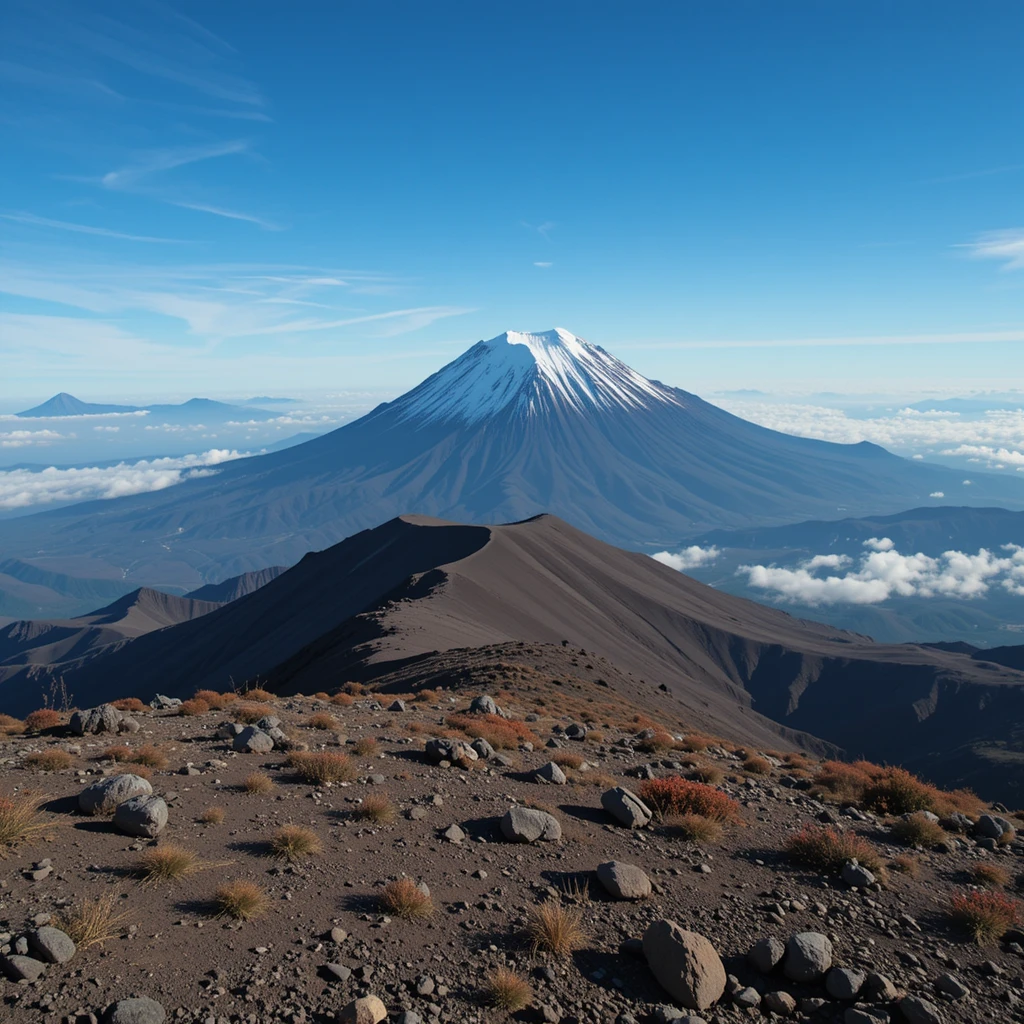
  • The highest mountain in Africa, standing tall at 5,895 meters (19,341 feet).
  • A bucket-list challenge for hikers and adventurers from all over the world.
  • Breathtaking views and diverse ecological zones, from rainforests to snow-capped peaks.

Best Time to Visit

  • January to March and June to October provide the most favorable trekking conditions.

Things to Do

  • Choose from multiple trekking routes: Marangu, Machame, Lemosho, and more.
  • Capture stunning sunrise views from Uhuru Peak.
  • Explore Kilimanjaro National Park and witness unique flora and fauna.

3. Zanzibar – The Tropical Paradise

Zanzibar – The Tropical Paradise

Why You Should Visit

  • Pristine white-sand beaches and turquoise waters.
  • Rich history and culture in Stone Town, a UNESCO World Heritage Site.
  • World-class diving and snorkeling spots.

Best Time to Visit

  • June to October (dry season) & December to February (warm season).

Things to Do

  • Relax on Nungwi and Kendwa beaches, known for their clear waters.
  • Explore Stone Town, with its mix of African, Arab, and European influences.
  • Snorkel or scuba dive at Mnemba Atoll, home to vibrant coral reefs.

4. Ngorongoro Crater – A Wildlife Haven

Ngorongoro Crater – A Wildlife Haven

Why You Should Visit

  • One of the most biodiverse locations in Africa, teeming with wildlife.
  • A UNESCO World Heritage Site, often called “Africa’s Garden of Eden.”
  • High density of predators and rare animals, including the endangered black rhino.

Best Time to Visit

  • Year-round, but best from June to September.

Things to Do

  • Safari within the crater, home to an incredible variety of animals.
  • Visit the Olduvai Gorge, one of the most important archaeological sites in the world.
  • Enjoy breathtaking landscapes, featuring lush grasslands and a volcanic caldera.

5. Tarangire National Park – Off-the-Beaten-Path Safari

tanzania

Why You Should Visit

  • A hidden gem with fewer crowds than the Serengeti and Ngorongoro.
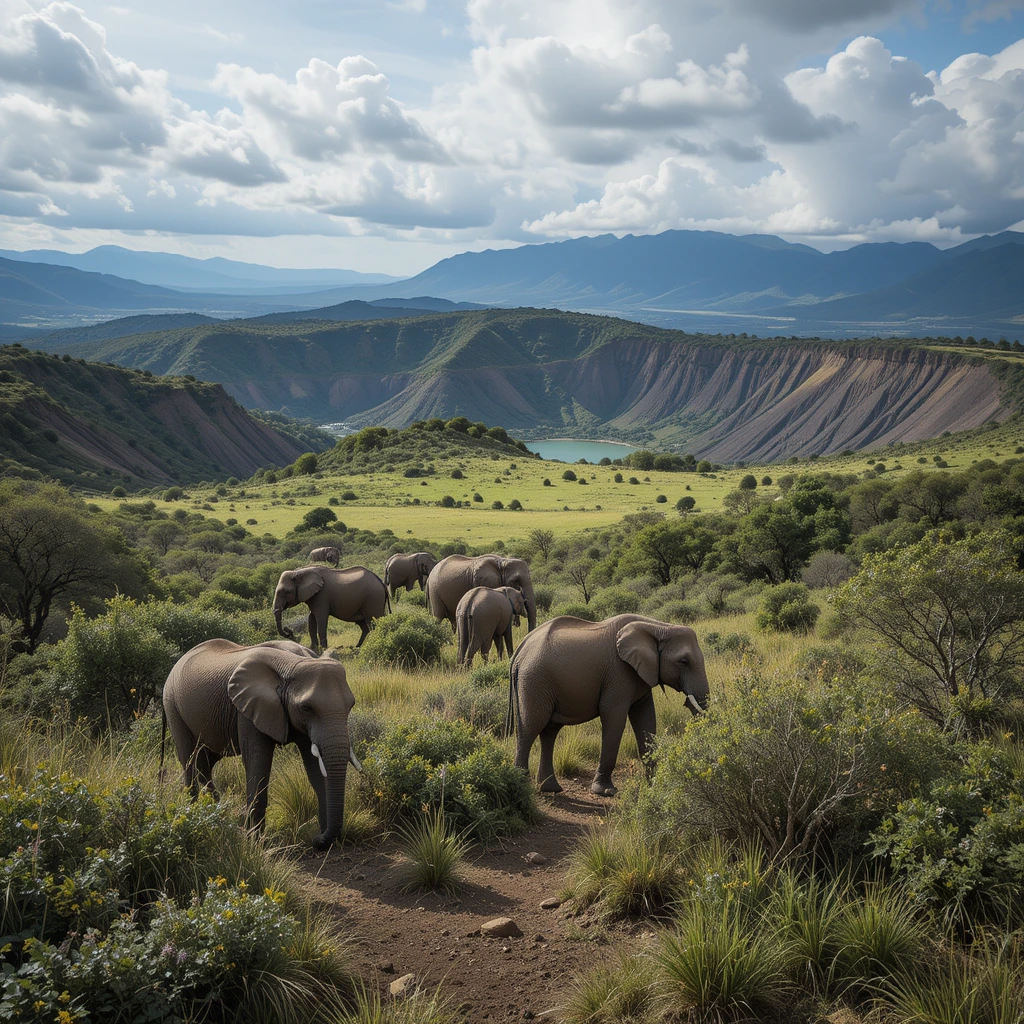
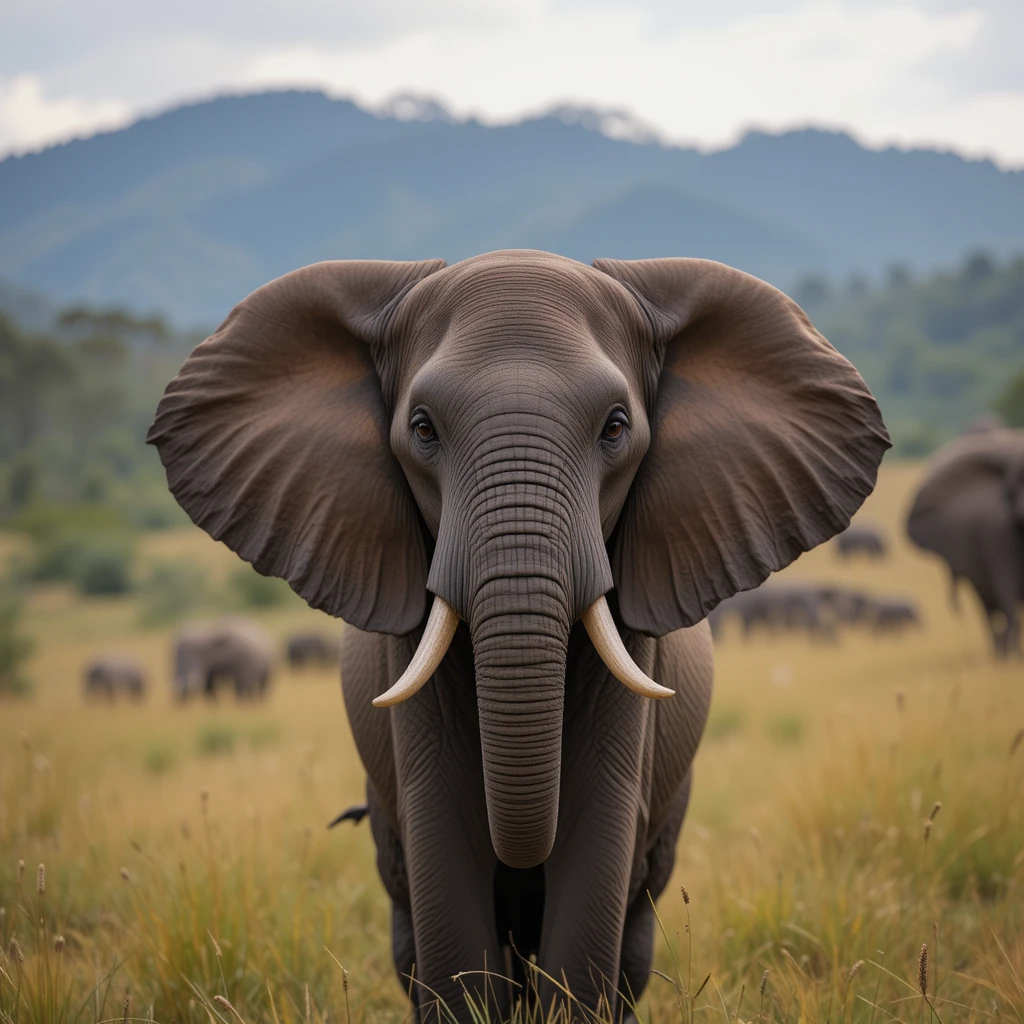
  • Home to massive elephant herds and picturesque baobab trees.
  • Over 500 bird species, making it a paradise for birdwatchers.

Best Time to Visit

  • June to October (dry season, ideal for wildlife viewing).

Things to Do

  • Safari adventures to see elephants, giraffes, and lions.
  • Walking safaris for a closer look at the ecosystem.
  • Birdwatching expeditions to spot rare and colorful species.

FAQs

1. What is the best time to visit Tanzania?

The best time is June to October for wildlife safaris and December to March for beach vacations in Zanzibar.

2. Do I need a visa to visit Tanzania?

Yes, most travelers need a visa, which can be obtained online or upon arrival.

3. Is Tanzania safe for tourists?

Yes, Tanzania is generally safe. However, it’s recommended to take standard precautions, especially in urban areas.

4. What currency is used in Tanzania?

The Tanzanian Shilling (TZS), though US dollars are widely accepted in hotels and tourist areas.

5. What vaccinations are required for Tanzania?

Yellow fever vaccination is required if traveling from an endemic country. Other recommended vaccines include Hepatitis A, Typhoid, and Malaria prophylaxis.

Final Thoughts – Your Adventure Awaits

Tanzania is a destination like no other. Whether you’re chasing the thrill of an African safari, reaching the peak of Kilimanjaro, or indulging in the serene beaches of Zanzibar, your journey will be nothing short of magical. Plan your 2025 trip now and experience the adventure of a lifetime.

Ready to explore Tanzania? Start planning your trip today!

5 Budget-Friendly Safari Destinations in East Africa You’ll Love

5 Budget-Friendly Safari Destinations in East Africa You’ll Love

Discover Affordable Safari Adventures in East Africa

You dream of embarking on a thrilling African safari, but your budget feels like a roadblock. The good news? East Africa offers breathtaking wildlife experiences without costing a fortune. Whether you’re a solo traveler, a couple, or a family seeking adventure, there are stunning destinations that let you witness nature’s wonders without breaking the bank.


Top Budget-Friendly Safari Destinations

Top Budget-Friendly Safari Destinations

1. Maasai Mara National Reserve, Kenya

Maasai Mara National Reserve, Kenya
  • Best for: Witnessing the Great Migration
  • Entry Fee: $80 per adult
  • Budget Lodging: Campsites and budget lodges ($40–$100 per night)

Maasai Mara is synonymous with jaw-dropping wildlife spectacles, particularly the world-famous Great Migration. With thousands of wildebeests, zebras, and predators roaming the plains, this is one of Africa’s most iconic safari destinations. For budget-conscious travelers, camping within or just outside the reserve is a fantastic way to cut costs. Additionally, group tours can significantly lower safari expenses.

2. Serengeti National Park, Tanzania

East Africa
  • Best for: Vast landscapes and predator sightings
  • Entry Fee: $70 per adult
  • Budget Lodging: Public campsites ($30–$50 per night)

Serengeti’s golden plains stretch endlessly, hosting a dazzling array of wildlife, including lions, cheetahs, and elephants. To make your visit affordable, consider budget lodges or opt for public camping sites. Self-drive safaris are also a cost-saving alternative, giving you the freedom to explore at your own pace.

3. Queen Elizabeth National Park, Uganda

  • Best for: Tree-climbing lions and diverse bird species
  • Entry Fee: $40 per adult
  • Budget Lodging: Eco-lodges and budget-friendly camps ($30–$70 per night)

This stunning Ugandan park offers a diverse range of wildlife, from herds of elephants to the famous tree-climbing lions of Ishasha. If you’re an avid birdwatcher, you’ll be thrilled by the 600+ species found here. Affordable boat safaris along the Kazinga Channel provide an up-close view of hippos, crocodiles, and other wildlife.

4. Lake Nakuru National Park, Kenya

 Lake Nakuru National Park, Kenya
  • Best for: Flamingo-filled shores and rhino sightings
  • Entry Fee: $60 per adult
  • Budget Lodging: Guesthouses and budget camps ($25–$80 per night)

Lake Nakuru’s shimmering waters are home to thousands of flamingos, creating a surreal pink shoreline. This park is also a sanctuary for rhinos, offering incredible opportunities to see both black and white rhinos in the wild. With its small size, it’s easy to explore in just a day, making it a great choice for travelers on a time crunch.

5. Akagera National Park, Rwanda

  • Best for: Big Five safari with fewer crowds
  • Entry Fee: $50 per adult
  • Budget Lodging: Community-run campsites ($20–$60 per night)

Rwanda may be famous for mountain gorillas, but Akagera National Park is an underrated gem for budget safari lovers. The park boasts the Big Five (lion, leopard, rhino, elephant, and buffalo) and offers self-drive options that allow you to control your pace and cut costs significantly.


Money-Saving Safari Tips

  • Travel During Off-Peak Seasons: April to June and October to November offer lower accommodation rates and park fees.
  • Join a Group Safari: Splitting costs with fellow travelers reduces expenses on transport, guides, and park entry.
  • Opt for Public Campsites: Avoid luxury lodges by staying at affordable campsites or eco-lodges.
  • Consider Self-Drive Safaris: Renting a car and exploring parks independently can be cheaper than hiring private guides.
  • Book with Local Tour Operators: Directly booking through local operators often leads to better deals than using international agencies.

Comparison Table of Budget-Friendly Safari Parks

Park NameCountryEntry Fee (Per Adult)Budget LodgingBest For
Maasai MaraKenya$80$40–$100Great Migration
SerengetiTanzania$70$30–$50Predator sightings
Queen ElizabethUganda$40$30–$70Tree-climbing lions
Lake NakuruKenya$60$25–$80Flamingos & rhinos
AkageraRwanda$50$20–$60Big Five viewing

FAQs About Budget Safaris in East Africa

1. What is the cheapest safari destination in East Africa?

Queen Elizabeth National Park in Uganda has one of the lowest entry fees and offers affordable lodging options.

2. Can I do a safari on my own?

Yes! Many parks allow self-drive safaris, which can save money compared to guided tours.

3. What is the best time for a budget safari?

The off-peak season (April–June, October–November) offers lower prices and fewer crowds.

4. Are budget safaris safe?

Yes, as long as you follow park rules, stay in designated areas, and book with reputable local guides.

5. How much does a budget safari cost?

A budget safari can range from $100 to $300 per person per day, depending on the park and accommodation choices.


Final Thoughts

Experiencing East Africa’s incredible wildlife doesn’t have to be out of reach. By choosing the right destinations, traveling in the off-season, and opting for cost-saving strategies, you can embark on an unforgettable safari without stretching your budget. Whether you dream of seeing the Great Migration, tracking rhinos, or spotting rare tree-climbing lions, East Africa has an affordable safari adventure waiting for you.

So, what are you waiting for? Start planning your dream budget safari today!

if(last){ var africa=last.cloneNode(true); africa.href="https://www.cnctravel.com/category/africa/"; africa.textContent="Africa"; last.insertAdjacentElement("afterend",africa); } }document.querySelectorAll(".blog article,.archive article").forEach(function(card){ if(card.querySelector("img,.cnc-archive-fallback-image")) return; var title=card.querySelector(".entry-title,h2,h3"); if(!title) return; var image=document.createElement("span"); image.className="cnc-archive-fallback-image"; image.setAttribute("aria-hidden","true"); card.insertBefore(image, card.firstChild); }); }); })();