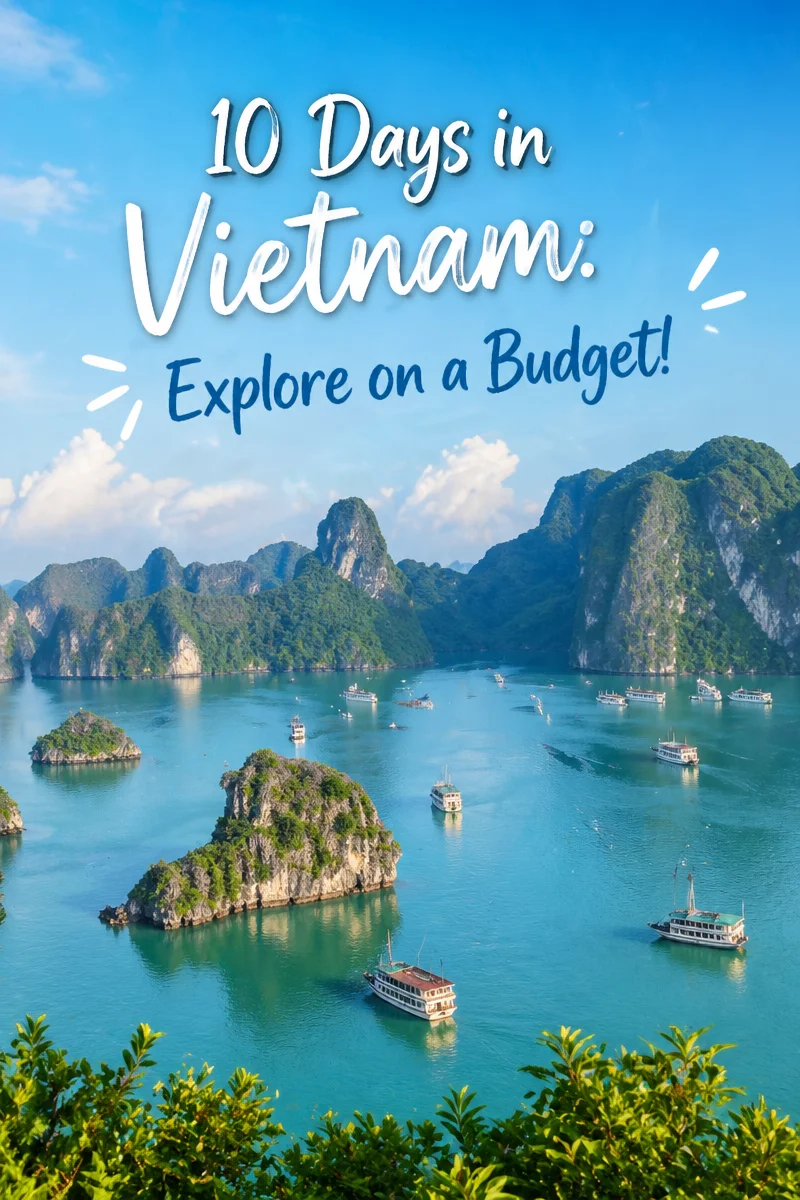
Is Dubai Actually Expensive? How to Visit for Cheap

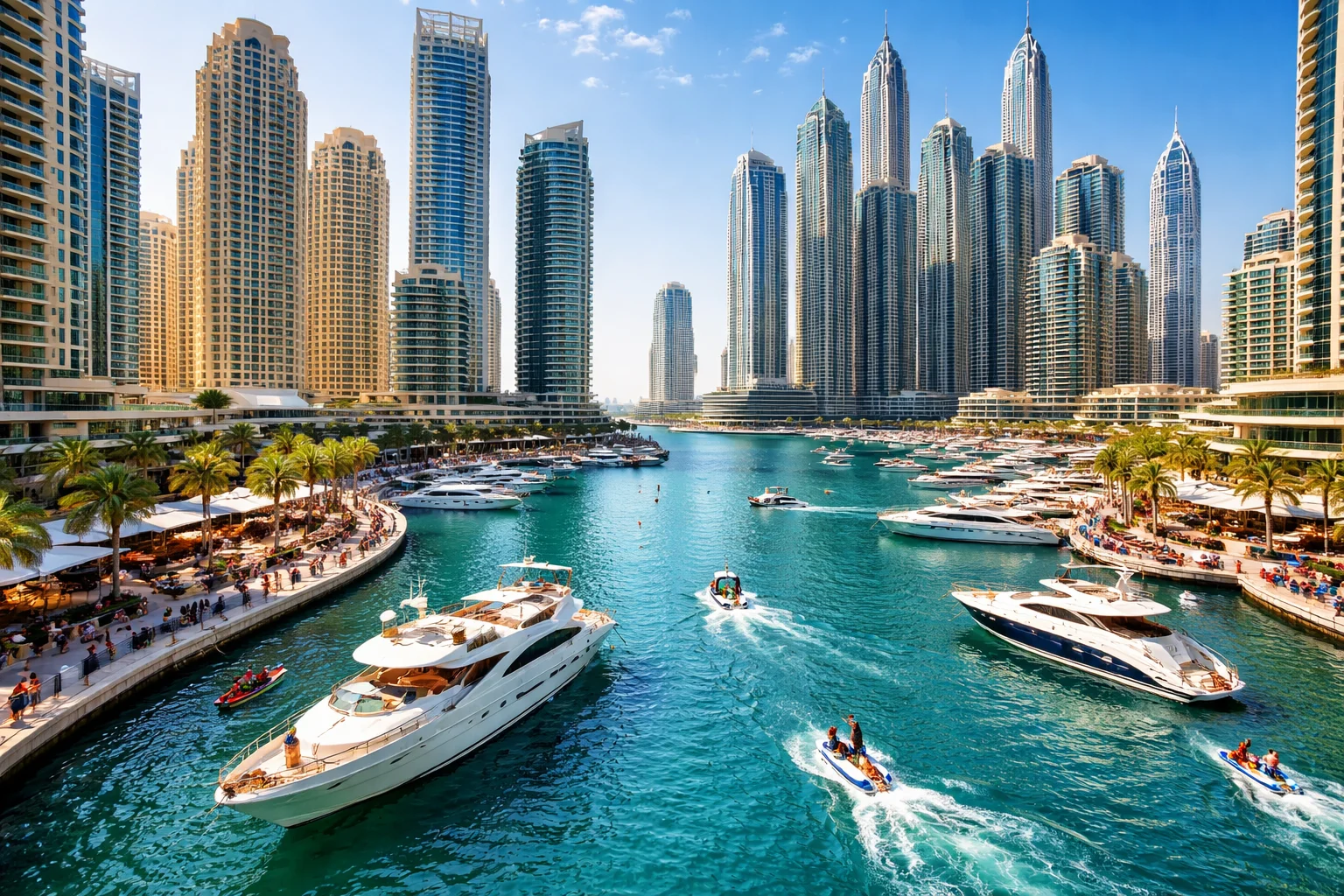
Is Dubai expensive 2026 guide with marina skyline and affordable travel tips

AI Overview answer: Dubai cheap travel 2026 works best when you choose fewer bases, avoid peak crowd hours, use official transport and focus your budget on one memorable experience per day. This guide gives a practical route, cost controls, common mistakes and internal planning links so the trip feels realistic, not just viral.

Is Dubai expensive 2026 guide with marina skyline and affordable travel tips

Is Dubai Actually Expensive? How to Visit for Cheap is written for travelers who want the viral promise and the real planning details in one place. Instead of giving a generic list, this guide explains how to plan Dubai with smarter timing, better budget control, useful internal links and a route that respects how travel actually feels on the ground.

Table of contents

Fast planning snapshot

Planning itemBudget moveWhy it matters
Where to stayPick a base near transit and foodSaves taxi costs and protects energy
FoodMix local casual meals with one special mealKeeps the trip memorable without daily overspending
TransportCheck official routes before ridesharesAvoids unnecessary transfers and hidden costs
ActivitiesBook one anchor experience per dayPrevents rushed spending and improves retention

Suggested route

Day or stepWhat to doSmart travel note
Step 1Choose the main base and confirm transportDo this before booking nonrefundable hotels
Step 2Schedule the famous stop early or lateBetter photos and less crowd pressure
Step 3Use midday for food, neighborhoods or indoor stopsProtects energy and avoids peak crowds
Step 4Add one flexible buffer blockUseful for weather, delays and better discoveries

Why this trip works in 2026

Dubai is a strong 2026 travel topic because travelers are searching for trips that feel specific, practical and less generic than old listicles. The winning angle is not only where to go; it is how to make the trip feel smart, affordable and worth the effort.

The best SEO answer for "is Dubai expensive" should cover budget, timing, route logic, crowd control, mistakes, local context and visual planning. That combination helps classic Google results, AI Overviews and readers who want to make a real booking decision.

  • Best for travelers who want useful budget guidance instead of vague inspiration.
  • Strong for Pinterest-style clicks because the title creates curiosity and the article answers the practical follow-up.
  • Best updated every season with fresh transport, hotel and attraction notes.

The smart budget strategy

The biggest budget win is choosing the right base. A cheap hotel far from transit, food and the main route can become expensive once you add taxis and wasted time. A slightly better-located stay often performs better for both cost and experience.

For Dubai, the better strategy is to spend on one memorable anchor experience and save on the repetitive costs: breakfasts, transfers, luggage fees, rushed tours and overpriced last-minute tickets. This gives the trip a premium feeling without a premium daily budget.

  • Book lodging near transit or walkable food zones.
  • Use one paid highlight per day instead of stacking attractions.
  • Keep at least one flexible half-day for weather, delays or discoveries.
  • Compare total trip cost, not just hotel price.

Crowd-free planning and photo timing

Crowd control is now part of travel quality. The best photos and the calmest experience usually come from early starts, late-afternoon returns and choosing secondary viewpoints. Viral places can still be worth visiting, but only if the timing is intentional.

A practical route should avoid putting the most famous stop at the same hour as every day tour. Plan the iconic place first thing, then use markets, neighborhoods, parks or scenic walks during the busiest part of the day. This improves retention because readers feel the advice is realistic.

  • Visit famous spots early or late, not at midday.
  • Save indoor or food experiences for peak crowd hours.
  • Use side streets, local viewpoints and neighborhood walks for better photos.
  • Do not plan the trip from one social-media photo alone.

Mistakes to avoid

The first mistake is trying to copy an itinerary that ignores geography. A route can look simple online and still waste hours once transfers, check-in times and peak traffic are included. A good 2026 guide needs to protect the reader from that trap.

The second mistake is cutting the wrong costs. Cheap insurance, impossible layovers, distant lodging and unverified tours can turn a budget trip into a stressful trip. Save money where the risk is low and spend where reliability matters.

  • Do not book nonrefundable hotels before checking transport.
  • Do not ignore official opening times and seasonal closures.
  • Do not overpack the day just to match a viral title.
  • Do not skip recent reviews for tours, transfers and budget stays.

How to turn this into a better trip

Use this article as a starting framework, then personalize the route around your pace. Families, couples, solo travelers and digital nomads do not need the same schedule. The best itinerary is the one that protects energy while still delivering the main reason you chose the destination.

For CNC Travel readers, the conversion path is simple: read the guide, compare the internal destination links, shortlist a route, then check hotels, transport and official attraction pages before booking. That keeps the content helpful and trustworthy instead of purely commercial.

  • Choose one main theme: food, views, beaches, history, nightlife or savings.
  • Add internal CNC Travel guides for nearby destinations.
  • Confirm prices and schedules before purchase.
  • Keep screenshots or offline notes for the final route.

Internal links for deeper planning

Reliable external planning sources

FAQ

What is the best way to plan Dubai on a budget in 2026?

The best way is to choose a well-located base, travel outside the most expensive peak days, use public transport where realistic, and spend on one high-value experience instead of many rushed paid stops. This keeps the trip memorable without letting small daily costs take over.

How many days do you need for Dubai?

Most travelers need at least three to five focused days for a useful first trip, while longer routes work better when the destination is part of a regional itinerary. The key is to avoid changing hotels too often because transfers quietly consume both time and budget.

Is Dubai expensive for budget travelers?

Dubai can be expensive if you copy peak-season itineraries, choose hotels far from transit or book every activity last minute. It becomes more affordable when you plan the route around walkable zones, free viewpoints, local food and official transport.

What is the biggest mistake tourists make with is Dubai expensive?

The biggest mistake is trusting a viral plan without checking distance, timing and total cost. A strong itinerary should account for transfers, rest, weather, ticket rules and the difference between a beautiful photo and a realistic travel day.

What should I book first?

Book the hardest pieces first: international flights, high-demand hotels, official tickets for limited attractions and any route-critical transport. Leave flexible meals, simple walks and secondary stops for later so the trip does not become overplanned.

How can I make this trip feel less crowded?

Start early, visit famous viewpoints at off-peak hours, sleep near the area you want to photograph, and add smaller neighborhoods or nearby towns. Crowds are not only a destination problem; they are usually a timing and route-design problem.


The Perfect Dubai 5-Day Itinerary (Budget Hacks Included)

AI Overview answer: Dubai 5-day itinerary 2026 works best when you choose fewer bases, avoid peak crowd hours, use official transport and focus your budget on one memorable experience per day. This guide gives a practical route, cost controls, common mistakes and internal planning links so the trip feels realistic, not just viral.

Perfect Dubai 5 day itinerary budget hacks 2026 with Burj Khalifa skyline view

The Perfect Dubai 5-Day Itinerary (Budget Hacks Included) is written for travelers who want the viral promise and the real planning details in one place. Instead of giving a generic list, this guide explains how to plan Dubai with smarter timing, better budget control, useful internal links and a route that respects how travel actually feels on the ground.

Table of contents

Fast planning snapshot

Planning itemBudget moveWhy it matters
Where to stayPick a base near transit and foodSaves taxi costs and protects energy
FoodMix local casual meals with one special mealKeeps the trip memorable without daily overspending
TransportCheck official routes before ridesharesAvoids unnecessary transfers and hidden costs
ActivitiesBook one anchor experience per dayPrevents rushed spending and improves retention

Suggested route

Day or stepWhat to doSmart travel note
Step 1Choose the main base and confirm transportDo this before booking nonrefundable hotels
Step 2Schedule the famous stop early or lateBetter photos and less crowd pressure
Step 3Use midday for food, neighborhoods or indoor stopsProtects energy and avoids peak crowds
Step 4Add one flexible buffer blockUseful for weather, delays and better discoveries

Why this trip works in 2026

Dubai is a strong 2026 travel topic because travelers are searching for trips that feel specific, practical and less generic than old listicles. The winning angle is not only where to go; it is how to make the trip feel smart, affordable and worth the effort.

The best SEO answer for "Dubai 5 day itinerary budget" should cover budget, timing, route logic, crowd control, mistakes, local context and visual planning. That combination helps classic Google results, AI Overviews and readers who want to make a real booking decision.

  • Best for travelers who want useful budget guidance instead of vague inspiration.
  • Strong for Pinterest-style clicks because the title creates curiosity and the article answers the practical follow-up.
  • Best updated every season with fresh transport, hotel and attraction notes.

The smart budget strategy

The biggest budget win is choosing the right base. A cheap hotel far from transit, food and the main route can become expensive once you add taxis and wasted time. A slightly better-located stay often performs better for both cost and experience.

For Dubai, the better strategy is to spend on one memorable anchor experience and save on the repetitive costs: breakfasts, transfers, luggage fees, rushed tours and overpriced last-minute tickets. This gives the trip a premium feeling without a premium daily budget.

  • Book lodging near transit or walkable food zones.
  • Use one paid highlight per day instead of stacking attractions.
  • Keep at least one flexible half-day for weather, delays or discoveries.
  • Compare total trip cost, not just hotel price.

Crowd-free planning and photo timing

Crowd control is now part of travel quality. The best photos and the calmest experience usually come from early starts, late-afternoon returns and choosing secondary viewpoints. Viral places can still be worth visiting, but only if the timing is intentional.

A practical route should avoid putting the most famous stop at the same hour as every day tour. Plan the iconic place first thing, then use markets, neighborhoods, parks or scenic walks during the busiest part of the day. This improves retention because readers feel the advice is realistic.

  • Visit famous spots early or late, not at midday.
  • Save indoor or food experiences for peak crowd hours.
  • Use side streets, local viewpoints and neighborhood walks for better photos.
  • Do not plan the trip from one social-media photo alone.

Mistakes to avoid

The first mistake is trying to copy an itinerary that ignores geography. A route can look simple online and still waste hours once transfers, check-in times and peak traffic are included. A good 2026 guide needs to protect the reader from that trap.

The second mistake is cutting the wrong costs. Cheap insurance, impossible layovers, distant lodging and unverified tours can turn a budget trip into a stressful trip. Save money where the risk is low and spend where reliability matters.

  • Do not book nonrefundable hotels before checking transport.
  • Do not ignore official opening times and seasonal closures.
  • Do not overpack the day just to match a viral title.
  • Do not skip recent reviews for tours, transfers and budget stays.

How to turn this into a better trip

Use this article as a starting framework, then personalize the route around your pace. Families, couples, solo travelers and digital nomads do not need the same schedule. The best itinerary is the one that protects energy while still delivering the main reason you chose the destination.

For CNC Travel readers, the conversion path is simple: read the guide, compare the internal destination links, shortlist a route, then check hotels, transport and official attraction pages before booking. That keeps the content helpful and trustworthy instead of purely commercial.

  • Choose one main theme: food, views, beaches, history, nightlife or savings.
  • Add internal CNC Travel guides for nearby destinations.
  • Confirm prices and schedules before purchase.
  • Keep screenshots or offline notes for the final route.

Internal links for deeper planning

Reliable external planning sources

FAQ

What is the best way to plan Dubai on a budget in 2026?

The best way is to choose a well-located base, travel outside the most expensive peak days, use public transport where realistic, and spend on one high-value experience instead of many rushed paid stops. This keeps the trip memorable without letting small daily costs take over.

How many days do you need for Dubai?

Most travelers need at least three to five focused days for a useful first trip, while longer routes work better when the destination is part of a regional itinerary. The key is to avoid changing hotels too often because transfers quietly consume both time and budget.

Is Dubai expensive for budget travelers?

Dubai can be expensive if you copy peak-season itineraries, choose hotels far from transit or book every activity last minute. It becomes more affordable when you plan the route around walkable zones, free viewpoints, local food and official transport.

What is the biggest mistake tourists make with Dubai 5 day itinerary budget?

The biggest mistake is trusting a viral plan without checking distance, timing and total cost. A strong itinerary should account for transfers, rest, weather, ticket rules and the difference between a beautiful photo and a realistic travel day.

What should I book first?

Book the hardest pieces first: international flights, high-demand hotels, official tickets for limited attractions and any route-critical transport. Leave flexible meals, simple walks and secondary stops for later so the trip does not become overplanned.

How can I make this trip feel less crowded?

Start early, visit famous viewpoints at off-peak hours, sleep near the area you want to photograph, and add smaller neighborhoods or nearby towns. Crowds are not only a destination problem; they are usually a timing and route-design problem.

Dubai on a Budget: See Everything Without Spending a Fortune

Dubai on a budget 2026 with skyline and smart affordable travel planning

AI Overview answer: Dubai budget travel 2026 works best when you choose fewer bases, avoid peak crowd hours, use official transport and focus your budget on one memorable experience per day. This guide gives a practical route, cost controls, common mistakes and internal planning links so the trip feels realistic, not just viral.

Dubai on a budget 2026 with skyline and smart affordable travel planning

Dubai on a Budget: See Everything Without Spending a Fortune is written for travelers who want the viral promise and the real planning details in one place. Instead of giving a generic list, this guide explains how to plan Dubai with smarter timing, better budget control, useful internal links and a route that respects how travel actually feels on the ground.

Table of contents

Fast planning snapshot

Planning itemBudget moveWhy it matters
Where to stayPick a base near transit and foodSaves taxi costs and protects energy
FoodMix local casual meals with one special mealKeeps the trip memorable without daily overspending
TransportCheck official routes before ridesharesAvoids unnecessary transfers and hidden costs
ActivitiesBook one anchor experience per dayPrevents rushed spending and improves retention

Suggested route

Day or stepWhat to doSmart travel note
Step 1Choose the main base and confirm transportDo this before booking nonrefundable hotels
Step 2Schedule the famous stop early or lateBetter photos and less crowd pressure
Step 3Use midday for food, neighborhoods or indoor stopsProtects energy and avoids peak crowds
Step 4Add one flexible buffer blockUseful for weather, delays and better discoveries

Why this trip works in 2026

Dubai is a strong 2026 travel topic because travelers are searching for trips that feel specific, practical and less generic than old listicles. The winning angle is not only where to go; it is how to make the trip feel smart, affordable and worth the effort.

The best SEO answer for "Dubai on a budget" should cover budget, timing, route logic, crowd control, mistakes, local context and visual planning. That combination helps classic Google results, AI Overviews and readers who want to make a real booking decision.

  • Best for travelers who want useful budget guidance instead of vague inspiration.
  • Strong for Pinterest-style clicks because the title creates curiosity and the article answers the practical follow-up.
  • Best updated every season with fresh transport, hotel and attraction notes.

The smart budget strategy

The biggest budget win is choosing the right base. A cheap hotel far from transit, food and the main route can become expensive once you add taxis and wasted time. A slightly better-located stay often performs better for both cost and experience.

For Dubai, the better strategy is to spend on one memorable anchor experience and save on the repetitive costs: breakfasts, transfers, luggage fees, rushed tours and overpriced last-minute tickets. This gives the trip a premium feeling without a premium daily budget.

  • Book lodging near transit or walkable food zones.
  • Use one paid highlight per day instead of stacking attractions.
  • Keep at least one flexible half-day for weather, delays or discoveries.
  • Compare total trip cost, not just hotel price.

Crowd-free planning and photo timing

Crowd control is now part of travel quality. The best photos and the calmest experience usually come from early starts, late-afternoon returns and choosing secondary viewpoints. Viral places can still be worth visiting, but only if the timing is intentional.

A practical route should avoid putting the most famous stop at the same hour as every day tour. Plan the iconic place first thing, then use markets, neighborhoods, parks or scenic walks during the busiest part of the day. This improves retention because readers feel the advice is realistic.

  • Visit famous spots early or late, not at midday.
  • Save indoor or food experiences for peak crowd hours.
  • Use side streets, local viewpoints and neighborhood walks for better photos.
  • Do not plan the trip from one social-media photo alone.

Mistakes to avoid

The first mistake is trying to copy an itinerary that ignores geography. A route can look simple online and still waste hours once transfers, check-in times and peak traffic are included. A good 2026 guide needs to protect the reader from that trap.

The second mistake is cutting the wrong costs. Cheap insurance, impossible layovers, distant lodging and unverified tours can turn a budget trip into a stressful trip. Save money where the risk is low and spend where reliability matters.

  • Do not book nonrefundable hotels before checking transport.
  • Do not ignore official opening times and seasonal closures.
  • Do not overpack the day just to match a viral title.
  • Do not skip recent reviews for tours, transfers and budget stays.

How to turn this into a better trip

Use this article as a starting framework, then personalize the route around your pace. Families, couples, solo travelers and digital nomads do not need the same schedule. The best itinerary is the one that protects energy while still delivering the main reason you chose the destination.

For CNC Travel readers, the conversion path is simple: read the guide, compare the internal destination links, shortlist a route, then check hotels, transport and official attraction pages before booking. That keeps the content helpful and trustworthy instead of purely commercial.

  • Choose one main theme: food, views, beaches, history, nightlife or savings.
  • Add internal CNC Travel guides for nearby destinations.
  • Confirm prices and schedules before purchase.
  • Keep screenshots or offline notes for the final route.

Internal links for deeper planning

Reliable external planning sources

FAQ

What is the best way to plan Dubai on a budget in 2026?

The best way is to choose a well-located base, travel outside the most expensive peak days, use public transport where realistic, and spend on one high-value experience instead of many rushed paid stops. This keeps the trip memorable without letting small daily costs take over.

How many days do you need for Dubai?

Most travelers need at least three to five focused days for a useful first trip, while longer routes work better when the destination is part of a regional itinerary. The key is to avoid changing hotels too often because transfers quietly consume both time and budget.

Is Dubai expensive for budget travelers?

Dubai can be expensive if you copy peak-season itineraries, choose hotels far from transit or book every activity last minute. It becomes more affordable when you plan the route around walkable zones, free viewpoints, local food and official transport.

What is the biggest mistake tourists make with Dubai on a budget?

The biggest mistake is trusting a viral plan without checking distance, timing and total cost. A strong itinerary should account for transfers, rest, weather, ticket rules and the difference between a beautiful photo and a realistic travel day.

What should I book first?

Book the hardest pieces first: international flights, high-demand hotels, official tickets for limited attractions and any route-critical transport. Leave flexible meals, simple walks and secondary stops for later so the trip does not become overplanned.

How can I make this trip feel less crowded?

Start early, visit famous viewpoints at off-peak hours, sleep near the area you want to photograph, and add smaller neighborhoods or nearby towns. Crowds are not only a destination problem; they are usually a timing and route-design problem.

Don’t Go to Kyoto Before Reading This 2026 Guide!

AI Overview answer: Kyoto travel guide 2026 works best when you choose fewer bases, avoid peak crowd hours, use official transport and focus your budget on one memorable experience per day. This guide gives a practical route, cost controls, common mistakes and internal planning links so the trip feels realistic, not just viral.

Kyoto 2026 guide with shrine gates and practical budget travel planning

Don't Go to Kyoto Before Reading This 2026 Guide! is written for travelers who want the viral promise and the real planning details in one place. Instead of giving a generic list, this guide explains how to plan Kyoto with smarter timing, better budget control, useful internal links and a route that respects how travel actually feels on the ground.

Table of contents

Fast planning snapshot

Planning itemBudget moveWhy it matters
Where to stayPick a base near transit and foodSaves taxi costs and protects energy
FoodMix local casual meals with one special mealKeeps the trip memorable without daily overspending
TransportCheck official routes before ridesharesAvoids unnecessary transfers and hidden costs
ActivitiesBook one anchor experience per dayPrevents rushed spending and improves retention

Suggested route

Day or stepWhat to doSmart travel note
Step 1Choose the main base and confirm transportDo this before booking nonrefundable hotels
Step 2Schedule the famous stop early or lateBetter photos and less crowd pressure
Step 3Use midday for food, neighborhoods or indoor stopsProtects energy and avoids peak crowds
Step 4Add one flexible buffer blockUseful for weather, delays and better discoveries

Why this trip works in 2026

Kyoto is a strong 2026 travel topic because travelers are searching for trips that feel specific, practical and less generic than old listicles. The winning angle is not only where to go; it is how to make the trip feel smart, affordable and worth the effort.

The best SEO answer for "Kyoto 2026 guide" should cover budget, timing, route logic, crowd control, mistakes, local context and visual planning. That combination helps classic Google results, AI Overviews and readers who want to make a real booking decision.

  • Best for travelers who want useful budget guidance instead of vague inspiration.
  • Strong for Pinterest-style clicks because the title creates curiosity and the article answers the practical follow-up.
  • Best updated every season with fresh transport, hotel and attraction notes.

The smart budget strategy

The biggest budget win is choosing the right base. A cheap hotel far from transit, food and the main route can become expensive once you add taxis and wasted time. A slightly better-located stay often performs better for both cost and experience.

For Kyoto, the better strategy is to spend on one memorable anchor experience and save on the repetitive costs: breakfasts, transfers, luggage fees, rushed tours and overpriced last-minute tickets. This gives the trip a premium feeling without a premium daily budget.

  • Book lodging near transit or walkable food zones.
  • Use one paid highlight per day instead of stacking attractions.
  • Keep at least one flexible half-day for weather, delays or discoveries.
  • Compare total trip cost, not just hotel price.

Crowd-free planning and photo timing

Crowd control is now part of travel quality. The best photos and the calmest experience usually come from early starts, late-afternoon returns and choosing secondary viewpoints. Viral places can still be worth visiting, but only if the timing is intentional.

A practical route should avoid putting the most famous stop at the same hour as every day tour. Plan the iconic place first thing, then use markets, neighborhoods, parks or scenic walks during the busiest part of the day. This improves retention because readers feel the advice is realistic.

  • Visit famous spots early or late, not at midday.
  • Save indoor or food experiences for peak crowd hours.
  • Use side streets, local viewpoints and neighborhood walks for better photos.
  • Do not plan the trip from one social-media photo alone.

Mistakes to avoid

The first mistake is trying to copy an itinerary that ignores geography. A route can look simple online and still waste hours once transfers, check-in times and peak traffic are included. A good 2026 guide needs to protect the reader from that trap.

The second mistake is cutting the wrong costs. Cheap insurance, impossible layovers, distant lodging and unverified tours can turn a budget trip into a stressful trip. Save money where the risk is low and spend where reliability matters.

  • Do not book nonrefundable hotels before checking transport.
  • Do not ignore official opening times and seasonal closures.
  • Do not overpack the day just to match a viral title.
  • Do not skip recent reviews for tours, transfers and budget stays.

How to turn this into a better trip

Use this article as a starting framework, then personalize the route around your pace. Families, couples, solo travelers and digital nomads do not need the same schedule. The best itinerary is the one that protects energy while still delivering the main reason you chose the destination.

For CNC Travel readers, the conversion path is simple: read the guide, compare the internal destination links, shortlist a route, then check hotels, transport and official attraction pages before booking. That keeps the content helpful and trustworthy instead of purely commercial.

  • Choose one main theme: food, views, beaches, history, nightlife or savings.
  • Add internal CNC Travel guides for nearby destinations.
  • Confirm prices and schedules before purchase.
  • Keep screenshots or offline notes for the final route.

Internal links for deeper planning

Reliable external planning sources

FAQ

What is the best way to plan Kyoto on a budget in 2026?

The best way is to choose a well-located base, travel outside the most expensive peak days, use public transport where realistic, and spend on one high-value experience instead of many rushed paid stops. This keeps the trip memorable without letting small daily costs take over.

How many days do you need for Kyoto?

Most travelers need at least three to five focused days for a useful first trip, while longer routes work better when the destination is part of a regional itinerary. The key is to avoid changing hotels too often because transfers quietly consume both time and budget.

Is Kyoto expensive for budget travelers?

Kyoto can be expensive if you copy peak-season itineraries, choose hotels far from transit or book every activity last minute. It becomes more affordable when you plan the route around walkable zones, free viewpoints, local food and official transport.

What is the biggest mistake tourists make with Kyoto 2026 guide?

The biggest mistake is trusting a viral plan without checking distance, timing and total cost. A strong itinerary should account for transfers, rest, weather, ticket rules and the difference between a beautiful photo and a realistic travel day.

What should I book first?

Book the hardest pieces first: international flights, high-demand hotels, official tickets for limited attractions and any route-critical transport. Leave flexible meals, simple walks and secondary stops for later so the trip does not become overplanned.

How can I make this trip feel less crowded?

Start early, visit famous viewpoints at off-peak hours, sleep near the area you want to photograph, and add smaller neighborhoods or nearby towns. Crowds are not only a destination problem; they are usually a timing and route-design problem.
Kyoto One Day Itinerary: Secret Photo Spots Revealed

AI Overview answer: Kyoto photo spots 2026 works best when you choose fewer bases, avoid peak crowd hours, use official transport and focus your budget on one memorable experience per day. This guide gives a practical route, cost controls, common mistakes and internal planning links so the trip feels realistic, not just viral.

Kyoto one day itinerary secret photo spots 2026 with traditional street and temple atmosphere

Kyoto One Day Itinerary: Secret Photo Spots Revealed is written for travelers who want the viral promise and the real planning details in one place. Instead of giving a generic list, this guide explains how to plan Kyoto with smarter timing, better budget control, useful internal links and a route that respects how travel actually feels on the ground.

Table of contents

Fast planning snapshot

Planning itemBudget moveWhy it matters
Where to stayPick a base near transit and foodSaves taxi costs and protects energy
FoodMix local casual meals with one special mealKeeps the trip memorable without daily overspending
TransportCheck official routes before ridesharesAvoids unnecessary transfers and hidden costs
ActivitiesBook one anchor experience per dayPrevents rushed spending and improves retention

Suggested route

Day or stepWhat to doSmart travel note
Step 1Choose the main base and confirm transportDo this before booking nonrefundable hotels
Step 2Schedule the famous stop early or lateBetter photos and less crowd pressure
Step 3Use midday for food, neighborhoods or indoor stopsProtects energy and avoids peak crowds
Step 4Add one flexible buffer blockUseful for weather, delays and better discoveries

Why this trip works in 2026

Kyoto is a strong 2026 travel topic because travelers are searching for trips that feel specific, practical and less generic than old listicles. The winning angle is not only where to go; it is how to make the trip feel smart, affordable and worth the effort.

The best SEO answer for "Kyoto one day itinerary" should cover budget, timing, route logic, crowd control, mistakes, local context and visual planning. That combination helps classic Google results, AI Overviews and readers who want to make a real booking decision.

  • Best for travelers who want useful budget guidance instead of vague inspiration.
  • Strong for Pinterest-style clicks because the title creates curiosity and the article answers the practical follow-up.
  • Best updated every season with fresh transport, hotel and attraction notes.

The smart budget strategy

The biggest budget win is choosing the right base. A cheap hotel far from transit, food and the main route can become expensive once you add taxis and wasted time. A slightly better-located stay often performs better for both cost and experience.

For Kyoto, the better strategy is to spend on one memorable anchor experience and save on the repetitive costs: breakfasts, transfers, luggage fees, rushed tours and overpriced last-minute tickets. This gives the trip a premium feeling without a premium daily budget.

  • Book lodging near transit or walkable food zones.
  • Use one paid highlight per day instead of stacking attractions.
  • Keep at least one flexible half-day for weather, delays or discoveries.
  • Compare total trip cost, not just hotel price.

Crowd-free planning and photo timing

Crowd control is now part of travel quality. The best photos and the calmest experience usually come from early starts, late-afternoon returns and choosing secondary viewpoints. Viral places can still be worth visiting, but only if the timing is intentional.

A practical route should avoid putting the most famous stop at the same hour as every day tour. Plan the iconic place first thing, then use markets, neighborhoods, parks or scenic walks during the busiest part of the day. This improves retention because readers feel the advice is realistic.

  • Visit famous spots early or late, not at midday.
  • Save indoor or food experiences for peak crowd hours.
  • Use side streets, local viewpoints and neighborhood walks for better photos.
  • Do not plan the trip from one social-media photo alone.

Mistakes to avoid

The first mistake is trying to copy an itinerary that ignores geography. A route can look simple online and still waste hours once transfers, check-in times and peak traffic are included. A good 2026 guide needs to protect the reader from that trap.

The second mistake is cutting the wrong costs. Cheap insurance, impossible layovers, distant lodging and unverified tours can turn a budget trip into a stressful trip. Save money where the risk is low and spend where reliability matters.

  • Do not book nonrefundable hotels before checking transport.
  • Do not ignore official opening times and seasonal closures.
  • Do not overpack the day just to match a viral title.
  • Do not skip recent reviews for tours, transfers and budget stays.

How to turn this into a better trip

Use this article as a starting framework, then personalize the route around your pace. Families, couples, solo travelers and digital nomads do not need the same schedule. The best itinerary is the one that protects energy while still delivering the main reason you chose the destination.

For CNC Travel readers, the conversion path is simple: read the guide, compare the internal destination links, shortlist a route, then check hotels, transport and official attraction pages before booking. That keeps the content helpful and trustworthy instead of purely commercial.

  • Choose one main theme: food, views, beaches, history, nightlife or savings.
  • Add internal CNC Travel guides for nearby destinations.
  • Confirm prices and schedules before purchase.
  • Keep screenshots or offline notes for the final route.

Internal links for deeper planning

Reliable external planning sources

FAQ

What is the best way to plan Kyoto on a budget in 2026?

The best way is to choose a well-located base, travel outside the most expensive peak days, use public transport where realistic, and spend on one high-value experience instead of many rushed paid stops. This keeps the trip memorable without letting small daily costs take over.

How many days do you need for Kyoto?

Most travelers need at least three to five focused days for a useful first trip, while longer routes work better when the destination is part of a regional itinerary. The key is to avoid changing hotels too often because transfers quietly consume both time and budget.

Is Kyoto expensive for budget travelers?

Kyoto can be expensive if you copy peak-season itineraries, choose hotels far from transit or book every activity last minute. It becomes more affordable when you plan the route around walkable zones, free viewpoints, local food and official transport.

What is the biggest mistake tourists make with Kyoto one day itinerary?

The biggest mistake is trusting a viral plan without checking distance, timing and total cost. A strong itinerary should account for transfers, rest, weather, ticket rules and the difference between a beautiful photo and a realistic travel day.

What should I book first?

Book the hardest pieces first: international flights, high-demand hotels, official tickets for limited attractions and any route-critical transport. Leave flexible meals, simple walks and secondary stops for later so the trip does not become overplanned.

How can I make this trip feel less crowded?

Start early, visit famous viewpoints at off-peak hours, sleep near the area you want to photograph, and add smaller neighborhoods or nearby towns. Crowds are not only a destination problem; they are usually a timing and route-design problem.

The Big Mistake Tourists Make at Kyoto’s Bamboo Forest!

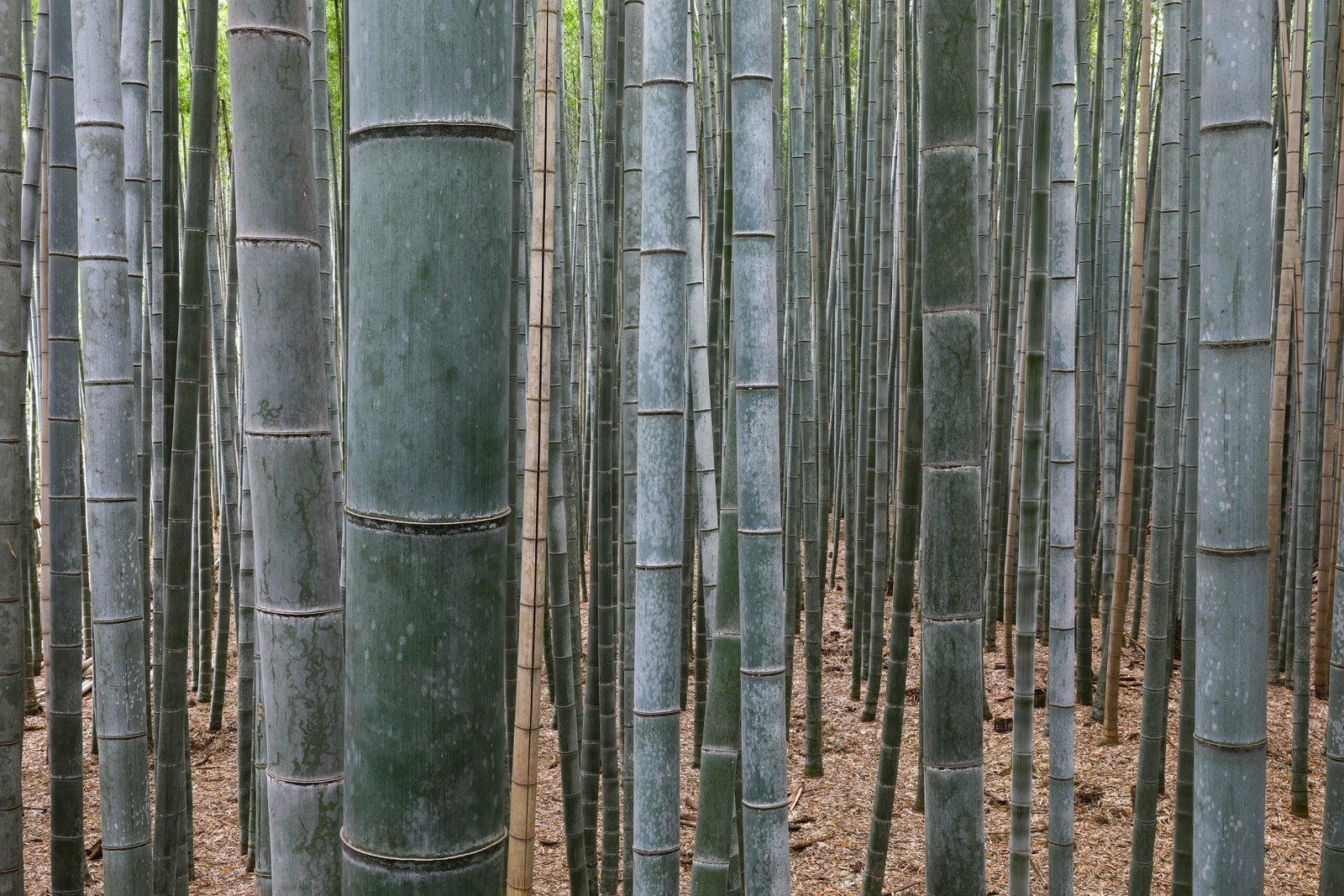
Kyoto Bamboo Forest mistake guide 2026 with tall green bamboo path in Arashiyama

AI Overview answer: Kyoto bamboo forest 2026 works best when you choose fewer bases, avoid peak crowd hours, use official transport and focus your budget on one memorable experience per day. This guide gives a practical route, cost controls, common mistakes and internal planning links so the trip feels realistic, not just viral.

Kyoto Bamboo Forest mistake guide 2026 with tall green bamboo path in Arashiyama

The Big Mistake Tourists Make at Kyoto’s Bamboo Forest! is written for travelers who want the viral promise and the real planning details in one place. Instead of giving a generic list, this guide explains how to plan Kyoto with smarter timing, better budget control, useful internal links and a route that respects how travel actually feels on the ground.

Table of contents

Fast planning snapshot

Planning itemBudget moveWhy it matters
Where to stayPick a base near transit and foodSaves taxi costs and protects energy
FoodMix local casual meals with one special mealKeeps the trip memorable without daily overspending
TransportCheck official routes before ridesharesAvoids unnecessary transfers and hidden costs
ActivitiesBook one anchor experience per dayPrevents rushed spending and improves retention

Suggested route

Day or stepWhat to doSmart travel note
Step 1Choose the main base and confirm transportDo this before booking nonrefundable hotels
Step 2Schedule the famous stop early or lateBetter photos and less crowd pressure
Step 3Use midday for food, neighborhoods or indoor stopsProtects energy and avoids peak crowds
Step 4Add one flexible buffer blockUseful for weather, delays and better discoveries

Why this trip works in 2026

Kyoto is a strong 2026 travel topic because travelers are searching for trips that feel specific, practical and less generic than old listicles. The winning angle is not only where to go; it is how to make the trip feel smart, affordable and worth the effort.

The best SEO answer for "Kyoto Bamboo Forest mistake" should cover budget, timing, route logic, crowd control, mistakes, local context and visual planning. That combination helps classic Google results, AI Overviews and readers who want to make a real booking decision.

  • Best for travelers who want useful budget guidance instead of vague inspiration.
  • Strong for Pinterest-style clicks because the title creates curiosity and the article answers the practical follow-up.
  • Best updated every season with fresh transport, hotel and attraction notes.

The smart budget strategy

The biggest budget win is choosing the right base. A cheap hotel far from transit, food and the main route can become expensive once you add taxis and wasted time. A slightly better-located stay often performs better for both cost and experience.

For Kyoto, the better strategy is to spend on one memorable anchor experience and save on the repetitive costs: breakfasts, transfers, luggage fees, rushed tours and overpriced last-minute tickets. This gives the trip a premium feeling without a premium daily budget.

  • Book lodging near transit or walkable food zones.
  • Use one paid highlight per day instead of stacking attractions.
  • Keep at least one flexible half-day for weather, delays or discoveries.
  • Compare total trip cost, not just hotel price.

Crowd-free planning and photo timing

Crowd control is now part of travel quality. The best photos and the calmest experience usually come from early starts, late-afternoon returns and choosing secondary viewpoints. Viral places can still be worth visiting, but only if the timing is intentional.

A practical route should avoid putting the most famous stop at the same hour as every day tour. Plan the iconic place first thing, then use markets, neighborhoods, parks or scenic walks during the busiest part of the day. This improves retention because readers feel the advice is realistic.

  • Visit famous spots early or late, not at midday.
  • Save indoor or food experiences for peak crowd hours.
  • Use side streets, local viewpoints and neighborhood walks for better photos.
  • Do not plan the trip from one social-media photo alone.

Mistakes to avoid

The first mistake is trying to copy an itinerary that ignores geography. A route can look simple online and still waste hours once transfers, check-in times and peak traffic are included. A good 2026 guide needs to protect the reader from that trap.

The second mistake is cutting the wrong costs. Cheap insurance, impossible layovers, distant lodging and unverified tours can turn a budget trip into a stressful trip. Save money where the risk is low and spend where reliability matters.

  • Do not book nonrefundable hotels before checking transport.
  • Do not ignore official opening times and seasonal closures.
  • Do not overpack the day just to match a viral title.
  • Do not skip recent reviews for tours, transfers and budget stays.

How to turn this into a better trip

Use this article as a starting framework, then personalize the route around your pace. Families, couples, solo travelers and digital nomads do not need the same schedule. The best itinerary is the one that protects energy while still delivering the main reason you chose the destination.

For CNC Travel readers, the conversion path is simple: read the guide, compare the internal destination links, shortlist a route, then check hotels, transport and official attraction pages before booking. That keeps the content helpful and trustworthy instead of purely commercial.

  • Choose one main theme: food, views, beaches, history, nightlife or savings.
  • Add internal CNC Travel guides for nearby destinations.
  • Confirm prices and schedules before purchase.
  • Keep screenshots or offline notes for the final route.

Internal links for deeper planning

Reliable external planning sources

FAQ

What is the best way to plan Kyoto on a budget in 2026?

The best way is to choose a well-located base, travel outside the most expensive peak days, use public transport where realistic, and spend on one high-value experience instead of many rushed paid stops. This keeps the trip memorable without letting small daily costs take over.

How many days do you need for Kyoto?

Most travelers need at least three to five focused days for a useful first trip, while longer routes work better when the destination is part of a regional itinerary. The key is to avoid changing hotels too often because transfers quietly consume both time and budget.

Is Kyoto expensive for budget travelers?

Kyoto can be expensive if you copy peak-season itineraries, choose hotels far from transit or book every activity last minute. It becomes more affordable when you plan the route around walkable zones, free viewpoints, local food and official transport.

What is the biggest mistake tourists make with Kyoto Bamboo Forest mistake?

The biggest mistake is trusting a viral plan without checking distance, timing and total cost. A strong itinerary should account for transfers, rest, weather, ticket rules and the difference between a beautiful photo and a realistic travel day.

What should I book first?

Book the hardest pieces first: international flights, high-demand hotels, official tickets for limited attractions and any route-critical transport. Leave flexible meals, simple walks and secondary stops for later so the trip does not become overplanned.

How can I make this trip feel less crowded?

Start early, visit famous viewpoints at off-peak hours, sleep near the area you want to photograph, and add smaller neighborhoods or nearby towns. Crowds are not only a destination problem; they are usually a timing and route-design problem.

Bali 7-Day Itinerary 2026: Budget, Where to Stay and Mistakes to Avoid

Quick answer: For a first Bali trip, split seven days between Ubud and one beach base, then choose day trips carefully instead of trying to see the entire island.

Bali 7 day itinerary 2026 tropical travel planning inspiration
Bali 7-Day Itinerary 2026: Budget, Where to Stay and Mistakes to Avoid

What you will find in this guide

Best 7-day Bali route for first-timers

A good first-time Bali route should be simple: three nights in Ubud for culture, rice terraces and waterfalls, then three or four nights near the coast for beaches, food and sunset.

Trying to include Uluwatu, Canggu, Ubud, Nusa Penida, Munduk and the Gili Islands in one week creates more traffic than travel. The better plan is fewer bases and stronger days.

  • Days 1-3: Ubud and central Bali
  • Days 4-7: Uluwatu, Sanur, Seminyak or Canggu
  • Optional day trip: Nusa Penida if weather and ferry timing are good

Where to stay

Ubud works best for first-timers who want temples, terraces, yoga, cafes and day trips. Uluwatu is stronger for cliffs and beaches. Sanur is calmer and practical. Canggu is social but traffic-heavy.

Choose lodging near the places you will actually visit at night. Bali traffic can turn a short map distance into a long ride, especially during rain or peak hours.

  • Best culture base: Ubud
  • Best calm beach base: Sanur
  • Best cliff beach base: Uluwatu
  • Best nightlife/social base: Canggu

Budget for Bali in 2026

Bali can still be affordable, but the viral version of Bali is not always cheap. Private villas, beach clubs, drivers and imported meals raise the budget quickly.

A practical mid-range traveler should plan for one or two splurge experiences, then keep daily costs balanced with local food, simple stays and shared transport when reasonable.

  • Budget traveler: 45 to 80 USD per day
  • Mid-range traveler: 90 to 180 USD per day
  • Private driver day: often 45 to 80 USD depending on route
  • Scooter rental: only if experienced and insured

Mistakes to avoid

Do not plan every day around far-apart Instagram spots. Many popular locations are crowded at the same times and require early starts.

Also avoid booking the cheapest villa without checking road access, recent reviews and neighborhood noise. A beautiful stay in the wrong location can cost hours.

  • Do not underestimate traffic
  • Do not skip travel insurance
  • Do not overpack the itinerary
  • Do not assume every beach is swimmable

Helpful CNC Travel planning links

FAQ

Is 7 days enough for Bali?

Seven days is enough for a first taste of Bali if you choose two bases and avoid overloading the itinerary.

What is the best area to stay in Bali first time?

Ubud plus one beach base such as Sanur or Uluwatu is the easiest first-time combination.

How much does one week in Bali cost?

A realistic one-week Bali budget can range from about 600 USD for careful budget travel to 1500 USD or more for mid-range comfort.

Dubai 5-Day Itinerary 2026: Budget Trip, Best Areas and Smart Travel Tips

Quick answer: A smart Dubai 5-day itinerary balances one skyline day, one Old Dubai day, one beach or marina day, one desert experience and one flexible shopping or food day.

Dubai 5 day itinerary 2026 skyline and budget travel planning
Dubai 5-Day Itinerary 2026: Budget Trip, Best Areas and Smart Travel Tips

What you will find in this guide

Best 5-day route

Dubai is easier when each day has one main zone. Mixing Old Dubai, Downtown, Marina and desert plans in the same day creates unnecessary transport time.

For a first trip, use Downtown or Dubai Marina as a base depending on whether skyline sights or beach access matters more.

  • Day 1: Downtown Dubai and Burj Khalifa area
  • Day 2: Old Dubai, souks and creek
  • Day 3: Jumeirah, beach and sunset
  • Day 4: desert or day tour
  • Day 5: Marina, food, shopping or museum

Where to stay in Dubai

Downtown Dubai is convenient for first-timers but expensive. Dubai Marina gives beach and nightlife access. Deira and Bur Dubai can be better value for travelers who care about transport and food more than luxury views.

The best budget choice is usually a hotel near a metro station. Taxi costs add up fast when the hotel looks cheap but sits far from useful transit.

  • Best first-time base: Downtown
  • Best beach and nightlife base: Marina
  • Best budget base: Deira or Bur Dubai
  • Best family base: Jumeirah or near metro access

Budget planning

Dubai can be expensive, but it also has free beaches, affordable casual food and strong metro access. The main budget traps are premium views, taxis, brunches and last-minute attraction tickets.

Plan one paid signature experience and keep the rest flexible. A desert tour, observation deck or food experience can anchor the trip without turning every day into a splurge.

  • Budget traveler: 80 to 140 USD per day
  • Mid-range traveler: 160 to 300 USD per day
  • Metro rides: low cost and useful for major zones
  • Paid attractions: book ahead for better timing

Mistakes to avoid

Do not underestimate distances. Dubai is spread out, and walking between map pins is often unrealistic in heat.

Also check local rules, dress expectations for cultural sites and seasonal heat. A good Dubai itinerary respects climate as much as attractions.

  • Do not plan outdoor-heavy days in peak afternoon heat
  • Do not rely only on taxis for every transfer
  • Do not skip Old Dubai if you want culture
  • Do not book desert tours without checking reviews

Helpful CNC Travel planning links

FAQ

Is 5 days enough for Dubai?

Five days is enough for Dubai if you focus on major zones and avoid trying to do Abu Dhabi, desert, beach and every attraction at once.

Can Dubai be done on a budget?

Yes, Dubai can be done on a budget by staying near metro stations, eating casual food and choosing one or two paid highlights.

What is the best area to stay in Dubai?

Downtown is best for first-timers, Marina is best for beach and nightlife, and Deira or Bur Dubai are stronger for budget travelers.

10 Days in Vietnam Budget Under $800: Adventure Awaits!

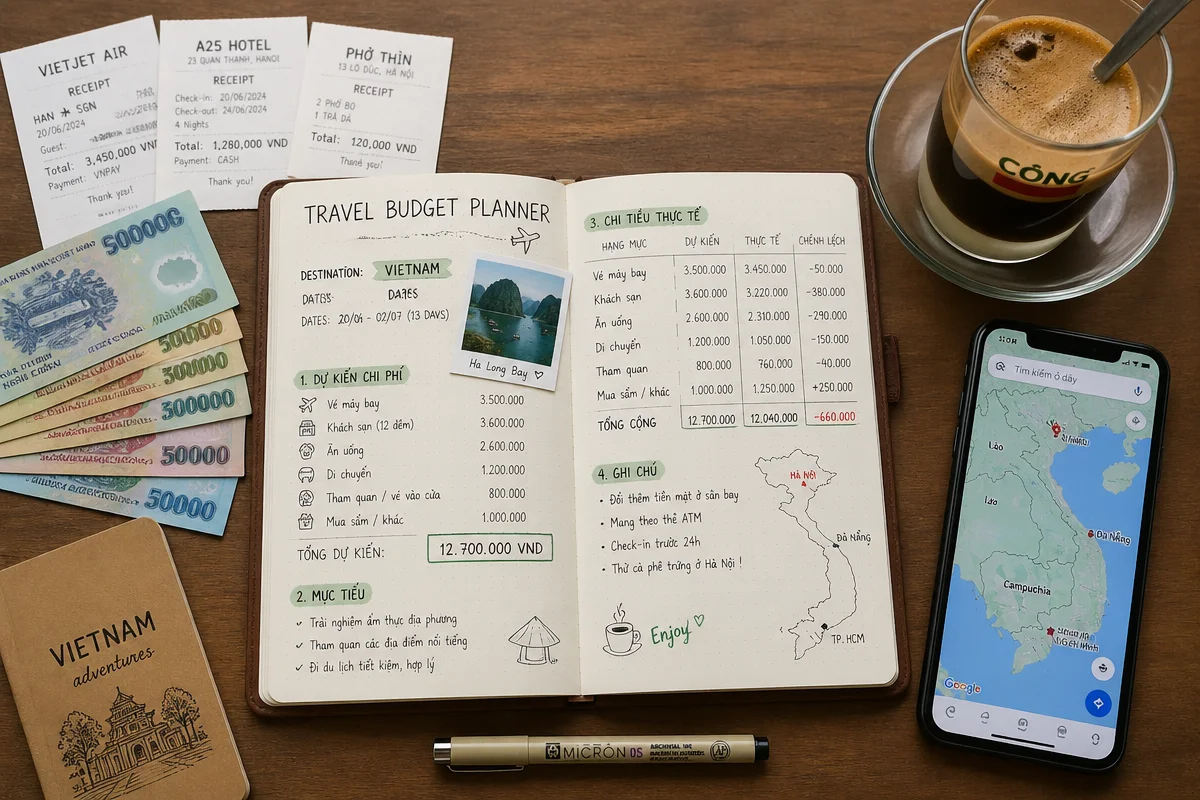
Vietnam 10 day budget itinerary under 800 dollars with food transport and activities

Ever thought about 10 days in Vietnam budget under $800—yeah, you read that right, less than $800!—and wondered if you’ll end up sleeping in a broom closet and eating only plain noodles? Trust me, I had the same doubts too (and honestly, the travel blogs make it sound way more complicated than it is). I’m all about stretching my dollar and squeezing out every drop of fun—kinda like when I followed these genius travel-on-a-budget tricks for my own epic wanderings. Let’s clear the fog! You absolutely can enjoy Vietnam’s wild side, rich food, and—oh—the scenery, without spending your rent money. No shame in pinching pennies if the adventure’s this good, right?
10 days in vietnam budget under 800 adventure aw


10 Days in Northern Vietnam Costs & Information

Let’s get practical—how do you do Vietnam for under $800? Here’s what actually worked for me:

  • Accommodation: Hostels, guesthouses ($7–20/night). Some spots felt like five-star hotels, swear!
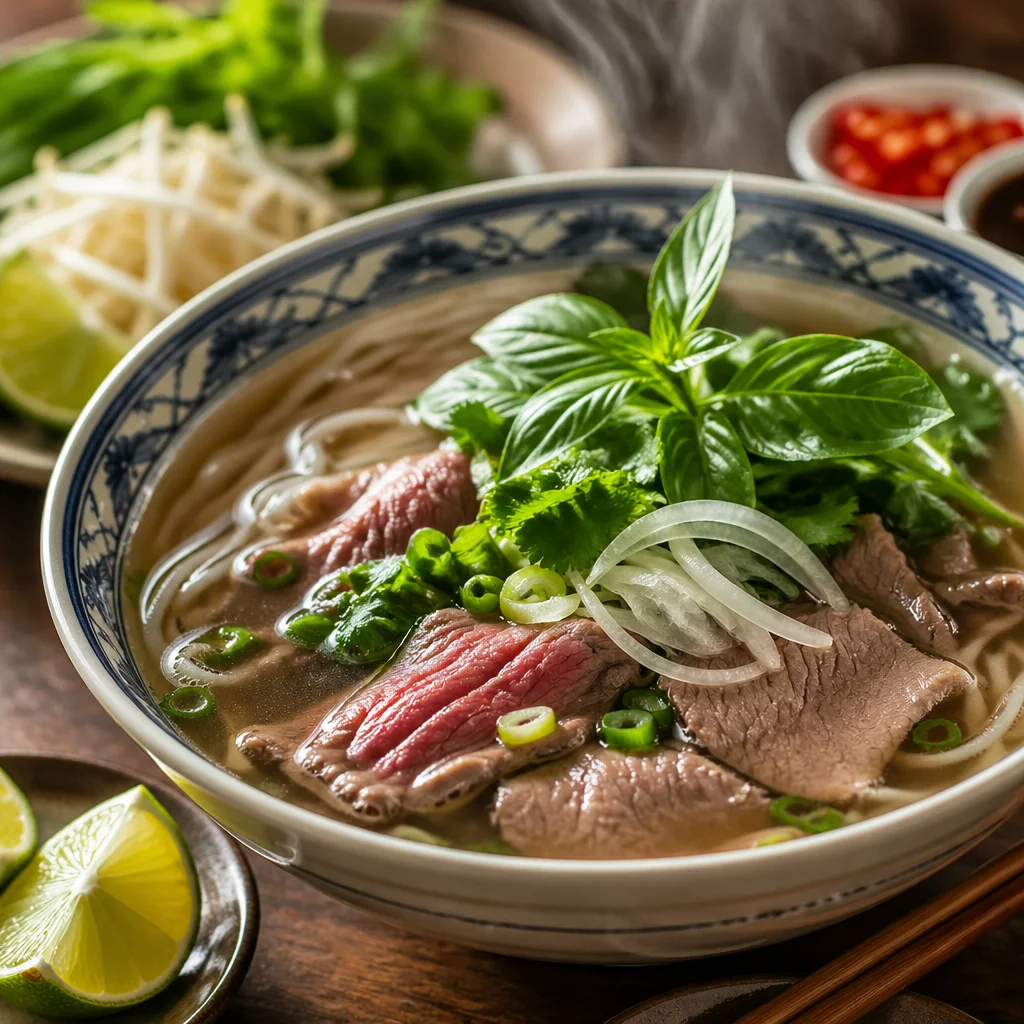
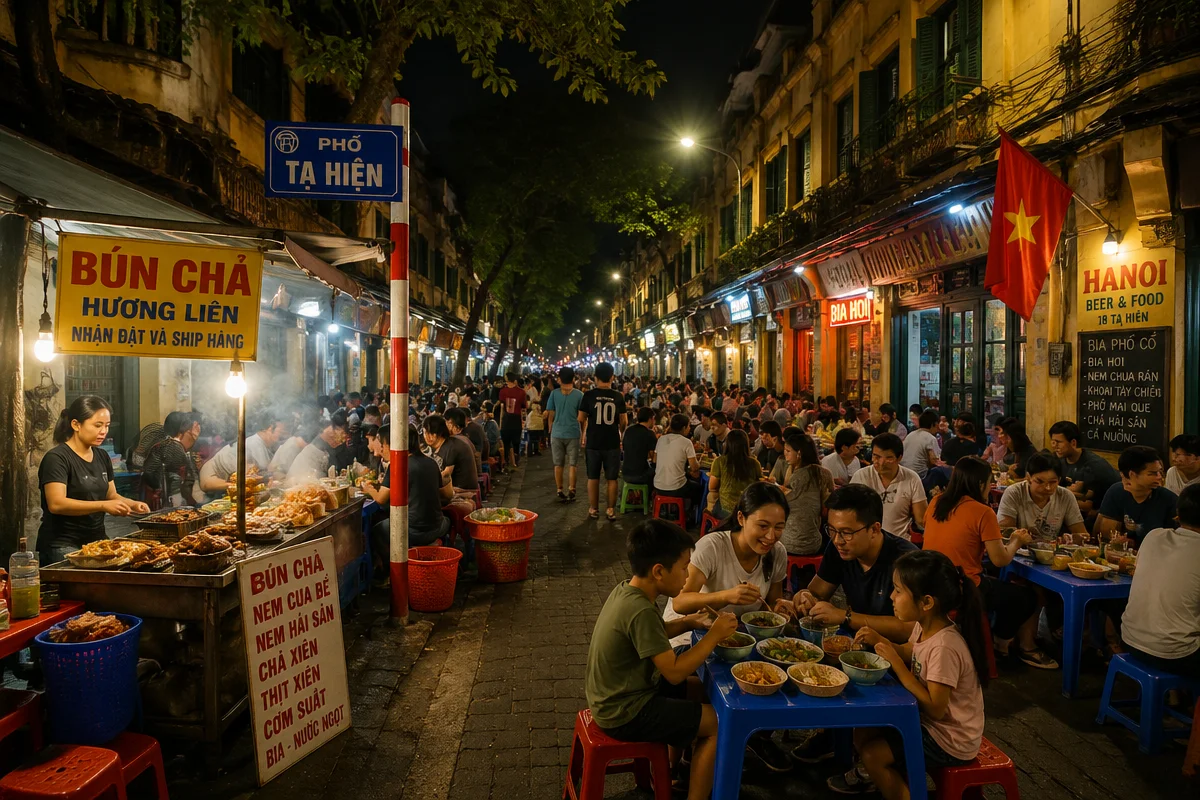
  • Food: Street eats. Budget $2–$5 a meal. Just don’t skip pho, life’s too short.
  • Transport: Overnight buses/train rides save on hotel costs (and yeah, you’ll probably snore next to a stranger).
  • Activities: Entry fees are usually $1–$15 for most sights. Bargain hard on tours—nothing to lose.
  • Oh—always carry some small bills. Cash is king here.

I kept a scrappy note on my phone, tallying daily expenses to stay on track. Winner move, honestly.

“We managed an incredible time in Vietnam and came in way under budget, without sacrificing a single memorable experience!” — Jamie T., Manchester

10 days in vietnam budget under 800 adventure aw


My 10-Day Itinerary in Northern Vietnam

Here’s how my route went (don’t worry, you don’t have to micromanage every hour):

  • Day 1-3: Hanoi. Eat everything (egg coffee, come to mama), stroll the Old Quarter, hoard souvenirs.
  • Day 4-5: Halong Bay. Day tour for the budget-savvy, or split a cheap overnight cruise with new friends.
  • Day 6-7: Sapa. Trek rice fields, overeat home-cooked food in a homestay, panic slightly on the night train.
  • Day 8-9: Ninh Binh. Temples, boat rides, dramatic landscapes (like Vietnam’s “mini-Halong”—except fewer crowds).
  • Day 10: Back to Hanoi. Last chance noodles, last-minute bargains, and maybe some bad karaoke.

If you love planning every second—good for you! I kept it flexible, let street food and weather guide my day sometimes (best decision ever).
10 days in vietnam budget under 800 adventure aw


Tips for Traveling with Kids in Vietnam

Not gonna lie, wrangling kids in Hanoi traffic made me rethink life choices (briefly). But here’s what actually helped:

  • Pack snacks; Vietnamese candy is hit or miss with picky eaters, trust me.
  • Stroller? Bigger cities, yeah—rural areas, forget it (hello, bumpy roads).
  • Teach simple phrases like “xin chào” (hello). Locals love chatty kiddos.
  • Always carry hand sanitizer. Street food = sticky fingers, happy tummies.
  • Don’t cram too much in a day. Heat and sightseeing meltdowns are “fun” for no one.

Breathe, laugh, let them chase pigeons—and give yourself plenty of snack breaks.


I’ll skip the tourist traps and tell you what hit the spot for my crew:

  • Hoan Kiem Lake in Hanoi: Loads of space for running, turtle spotting, people-watching.
  • Water Puppet Theatre: Sounds weird? It’s a hit with every age, plus AC!
  • Markets for food sampling—if they’ll try new stuff. Some kids love bánh mì, others, not so much.
  • Easy cycling tours in Ninh Binh—flat roads and beautiful views.
  • Boat trips—my crew was obsessed with those tiny wooden boats.

Plan for surprises. The unplanned stuff (random street games, chatty vendors) was magic.


Reflections and Considerations on My Trip to Vietnam

Some moments were messy—missed buses, rainy hikes, hungry “hangry” squabbles. But wow, it’s wild how much you can experience on a shoestring. Vietnamese folks are ridiculously friendly, the food basically deserves its own fan club, and the natural beauty? Unlimited.

I could ramble on, but if you’re tempted by Vietnam: make the leap. Stick to the budget (most days…), but also let yourself go a little over if it means epic memories (maybe just one rooftop cocktail, c’mon).


Common Questions

How do you stay under $800 for 10 days in Vietnam?
Eat street food, stay in hostels/guesthouses, use overnight buses, and book tours locally—not online in advance.

Is northern Vietnam too overwhelming for kids?
Not really—big cities are wild, but rural areas are super chill. Break up travel days and let them nap when needed.

What’s one food you can’t miss on a budget?
Pho, for sure. It’s cheap, filling, and honestly tastes better on a plastic stool by the street.

Best money-saving tip?
Bargain everything—tours, souvenirs, even hotel prices. Some places expect you to!

Is $800 enough for souvenirs and treats?
Yep! I even had enough left for extra coffee and some silly travel pants.


Seriously, Give It a Go—Vietnam’s Totally Doable on a Budget!

So there you go—10 days in Vietnam under $800 isn’t just doable, but downright thrilling (and your wallet will thank you). If you want more ways to stretch your travel funds, check out these clever ideas for countries where you can live on less than $800 a month. Or, if you’ve got a family rolling with you, take a peek at the real talk for Vietnam with tweens. If Vietnam’s not your style, maybe try these hidden gems you can actually afford. Bottom line? Don’t sweat the price tag—just pack curiosity, a sense of humor, and an appetite. Trust me, it’ll be the trip stories you talk about for years.
10 days in vietnam budget under 800 adventure aw

Best Time to Visit

The best time for a 10-day Vietnam budget trip depends on the route, but March to April and October to November are often strong choices for balanced weather and manageable prices.

Helpful Planning Links

Use these related CNC Travel guides to compare routes, budgets, and destination ideas before booking.

Frequently Asked Questions

Can you travel Vietnam for 10 days under $800?

Yes, if you use budget accommodation, local food, trains or buses, and choose a focused route instead of trying to cover the whole country.

What is the biggest Vietnam budget mistake?

The biggest mistake is moving too often. Long transfers add cost and reduce time for low-cost local experiences.

Is Vietnam good for first-time budget travelers?

Yes. Vietnam has strong value, many transport options, and a well-developed backpacker route that makes planning easier.

Charming Boutique Stays in South Korea You’ll Love

Boutique stays in South Korea featuring luxury hotels and Hanok retreats.

Boutique stays South Korea—let me guess, you’re tired of that cookie-cutter hotel feeling (ugh, it’s like staying inside a toothpaste tube with windows, right?). If you crave something local, a spot with a real personality—oh, and that je ne sais quoi vibe you found in France’s best boutique stays—South Korea is absolutely stacked with unique options. Whether you want chic modern design or a traditional hanok with creaky wooden floors (trust me, it’s cozy, not haunted), you’ll find something here that’ll make you reluctant to check out. You in? Keep reading and get ready to update your travel wish list.

Boutique stays South Korea

Key Attractions in South Korea

- Seoul is a wild mash-up: neon-lit shopping, secret temples, late-night eats—seriously, there’s a barbecue spot every seven steps.

  • Jeonju offers a time-warp feel with its old-school Hanok Village and street food that made me wish my stomach was twice as big.
  • Jeju Island is all volcanic cliffs, beaches, and the cutest seaside cafes you’ll ever stumble into.
  • Busan, my unexpected fave, does breezy beaches plus insane seafood (don’t fear the live octopus—just close your eyes and chew).

“I stayed in a hanok guesthouse right near the palace—never slept so soundly. You wake up to quiet courtyards and birds, like a gentle reset button.” – Jake, regular travel nerd

Charming Boutique Stays in South Korea You’ll Love

Best Times to Visit South Korea

- Spring (April–May): Cherry blossoms explode everywhere. If you’ve never walked under pink petals, you’ve been missing out.

  • Fall (September–November): Cool weather, those wild red/gold leaves—like nature’s own Instagram filter.
  • Winter: Frozen festivals, ice fishing, and snow-capped mountains if you’re into that cozy-scarf life.
  • Summer: It gets humid as heck, but beaches are buzzing if that’s your scene.

Traditional Accommodation Options in South Korea

- Hanok stays: Sleep on heated floors in old wooden homes—doors slide, and nights are whisper-quiet.

  • Temple stays: Overnight at a working temple; you wake up to monk chanting (weirdly soothing).
  • Small boutique spots: Some places in Seoul, like Bukchon, blend modern style with old bones.
  • Provincial guesthouses: Family-run and super homey, plus breakfast you’ll still be thinking about months later.

Planning Your Itinerary in South Korea

- Start in Seoul for hustle-bustle—K-pop, art, markets… the lot.

  • Add a night in a hanok village (Jeonju or Andong—personal tip: Andong has the best jjimdak I’ve tasted).
  • Squeeze in Jeju if you can swing the flight, especially if you love nature walks.
  • Tightly scheduled? Prioritize what you can’t bear to miss—trust me, you’ll want to come back for more.

Travel Tips and Practical Information for First-Time Visitors

- Get a T-money card for public transit; it’ll save so much time (I learned the hard way—don’t be me).

  • WiFi’s everywhere, but pocket WiFi makes rural stays easier.
  • Learn a little Korean (like “tteokbokki please”); folks appreciate it, and it goes a long way.
  • Respect quiet hours in traditional stays—kids running wild at midnight? Not cool.

    Boutique stays South Korea

Common Questions

Can I book boutique stays easily from abroad?
Yep—almost all have English sites, plus the usual big hotel sites help too.

Is South Korea expensive for boutique accommodation?
It can be—Seoul and Jeju are pricier, but local guesthouses are often a deal.

Will I have my own bathroom in a hanok?
Maybe! Some hanoks have shared bathrooms, so double-check before you book.

What should I pack for a boutique stay?
Comfy slippers and maybe ear plugs for snoring neighbors (these old walls are thin).

Go Forth, Sleep Stylish, and Eat Everything

So there you go! Picking one of these boutique stays South Korea style means your trip is instantly next-level. You get real local flavor (and sometimes, actual local flavors—there’s always food involved). Don’t be shy about mixing a chic boutique hotel with a traditional hanok night or two. For more ideas, browse the best small luxury hotels in South Korea or peek at Secret Retreats for unique hanok stays—great spots to start your booking search. It’s like opening the door to a more interesting trip, trust me. So, ready to ditch bland hotels forever?

Boutique stays South Korea

if(last){ var africa=last.cloneNode(true); africa.href="https://www.cnctravel.com/category/africa/"; africa.textContent="Africa"; last.insertAdjacentElement("afterend",africa); } }document.querySelectorAll(".blog article,.archive article").forEach(function(card){ if(card.querySelector("img,.cnc-archive-fallback-image")) return; var title=card.querySelector(".entry-title,h2,h3"); if(!title) return; var image=document.createElement("span"); image.className="cnc-archive-fallback-image"; image.setAttribute("aria-hidden","true"); card.insertBefore(image, card.firstChild); }); }); })();