

Budget travel guide 2026
Quick answer: 20 Most Dangerous Places for Women Travelers You Must Avoid Now
Suggested route
Table of Contents
Traveling can be an incredible way to explore the world, discover new cultures, and meet inspiring people. But for women, safety often becomes a top concern. While every destination has its charm, some places pose significant risks due to factors like crime, political instability, or cultural attitudes toward women. This article delves into the 20 most dangerous places for women travelers and equips you with the knowledge to stay safe while exploring the world.
Understanding the Risks for Women Travelers
Why Safety for Women Travelers Matters
As a woman, traveling opens doors to unforgettable experiences, but it’s not without challenges. According to international crime statistics, women are disproportionately affected by harassment, assault, and theft when traveling. Recognizing these risks isn’t about creating fear but about fostering awareness.
Factors That Make a Place Dangerous
Several factors can turn a dream destination into a nightmare:
- High Crime Rates: Petty theft, muggings, or violent crimes targeting women.
- Political Instability: Protests, civil unrest, or terrorism.
- Cultural Norms: Societies where women’s rights are restricted or gender-based violence is normalized.
- Weak Law Enforcement: Lack of action against crimes, leaving victims vulnerable.
The 20 Most Dangerous Places for Women Travelers
Let’s uncover the specific risks associated with each destination and how you can stay vigilant:
1. India

- Risks: High levels of harassment, particularly in crowded areas. Reports of assaults have made headlines.
- Tips: Avoid isolated areas, especially after dark. Use trusted transportation and stay in reputable accommodations.
2. Mexico
- Risks: Violence from drug cartels and kidnappings in certain areas.
- Tips: Stick to tourist zones. Keep a low profile and avoid discussing personal details.
3. Egypt

- Risks: Persistent street harassment and scams targeting solo women.
- Tips: Dress conservatively and consider hiring a guide for exploring cities.
4. South Africa

- Risks: High rates of violent crime, including gender-based violence.
- Tips: Stay in secure lodgings and avoid walking alone in urban areas.
5. Brazil
- Risks: Gang violence, theft, and assaults in urban areas.
- Tips: Avoid carrying valuables and use registered taxis.
6. Turkey
- Risks: Harassment in tourist-heavy areas and scams targeting travelers.
- Tips: Stay alert in crowded places and avoid overly friendly strangers.
7. Pakistan
- Risks: Cultural restrictions on women and safety concerns in rural areas.
- Tips: Travel with a trusted local or group and respect cultural norms.
8. Colombia
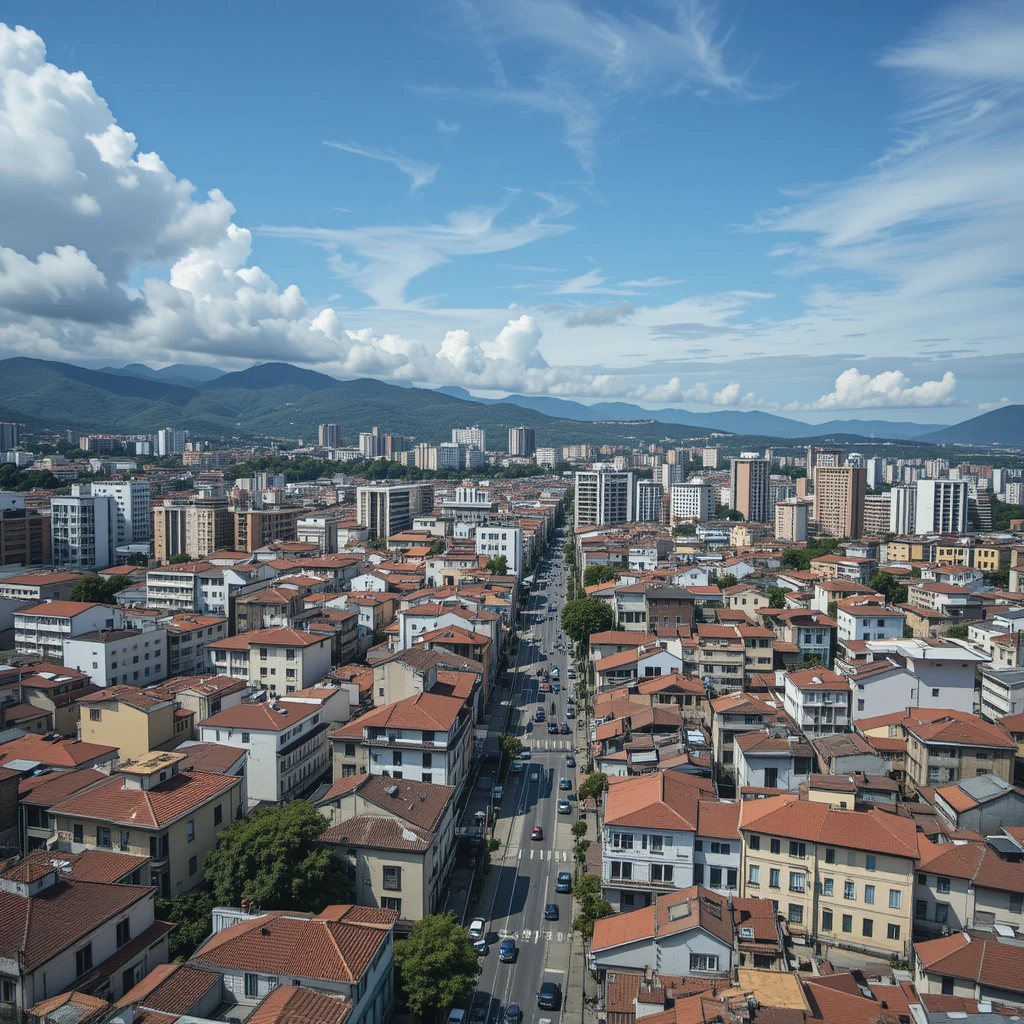
- Risks: Kidnappings and drug-related crimes in certain regions.
- Tips: Stick to well-traveled areas and avoid discussing your travel plans openly.
9. Saudi Arabia
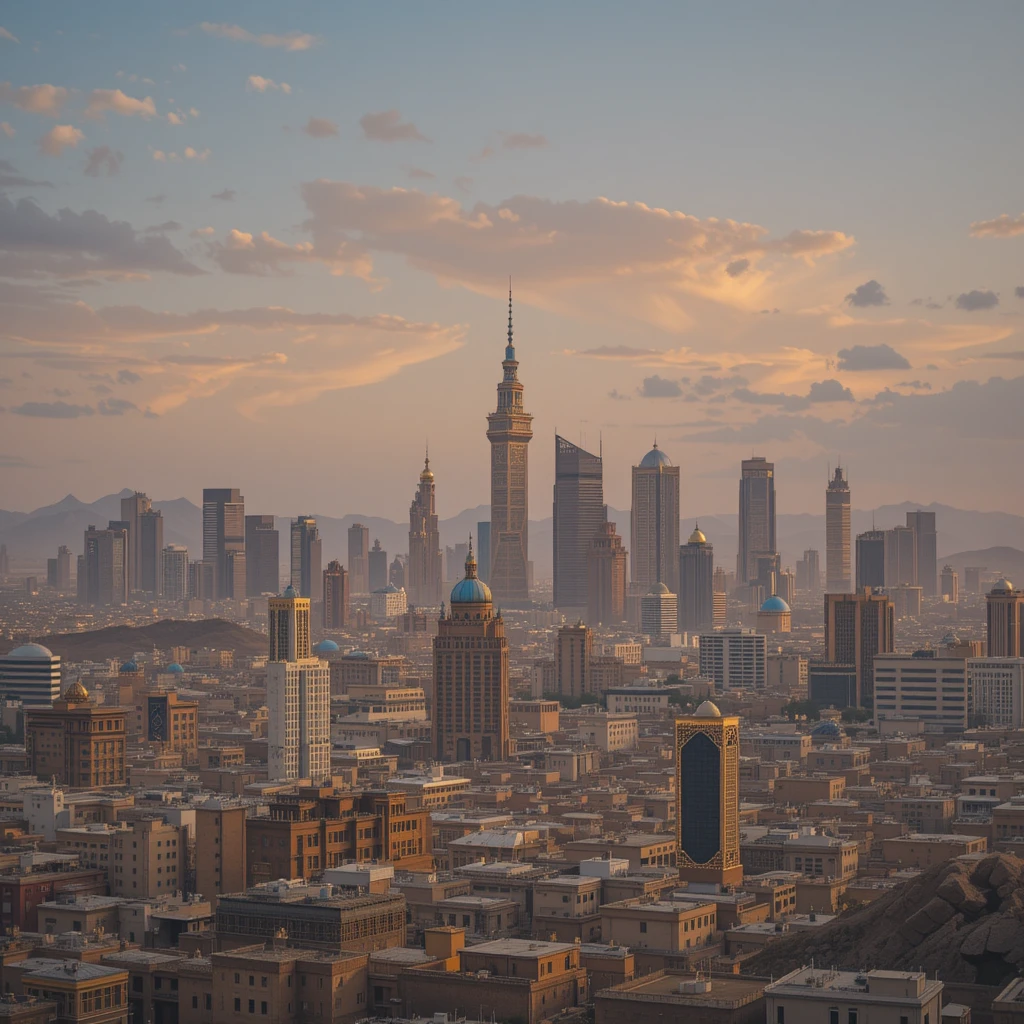
- Risks: Limited freedoms for women, with strict laws governing behavior.
- Tips: Research local laws and dress codes thoroughly.
10. Nigeria
- Risks: Kidnapping, scams, and terrorism-related incidents.
- Tips: Avoid high-risk regions and always travel with a local guide.
11. Venezuela
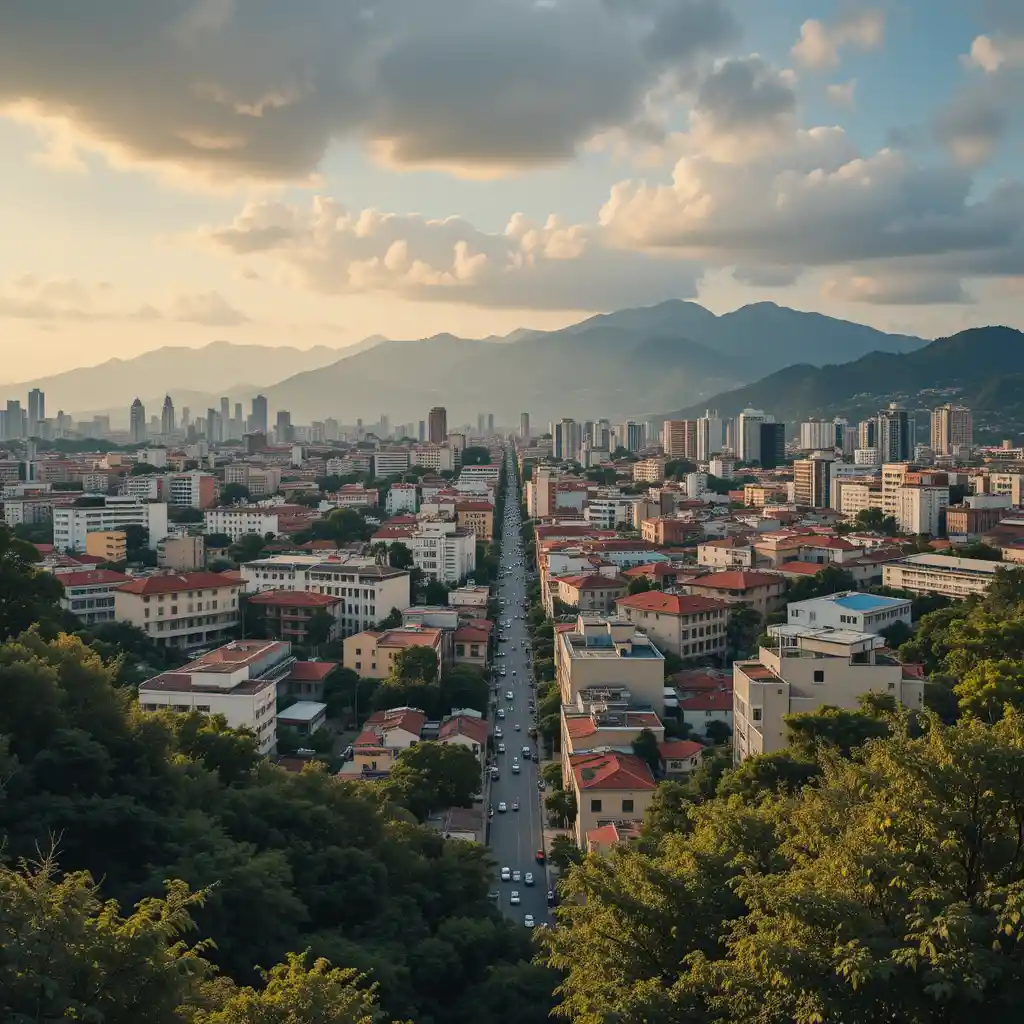
- Risks: Economic instability, high crime rates, and food shortages.
- Tips: Avoid displaying wealth and stay updated on travel advisories.
12. Russia

- Risks: Xenophobia and harassment of women traveling alone.
- Tips: Stick to major cities and avoid political discussions.
13. Jamaica
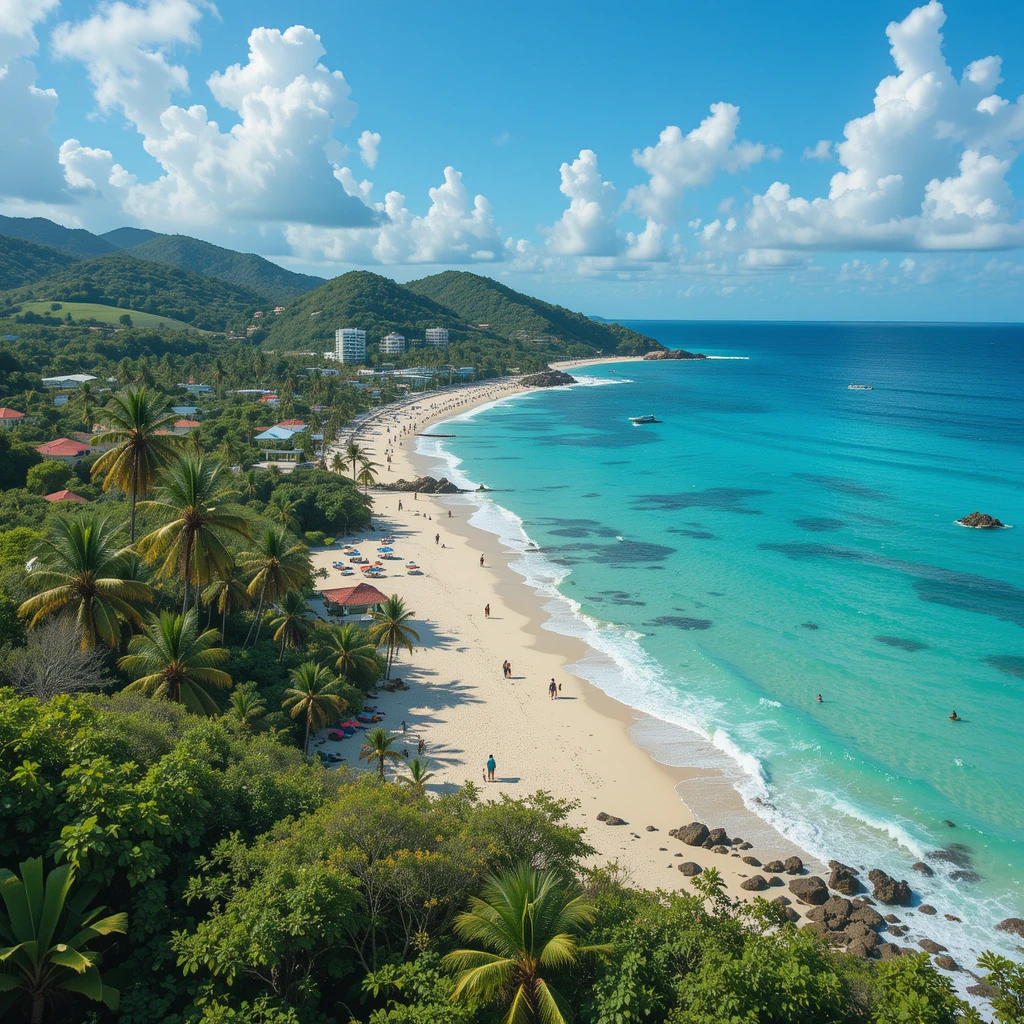
- Risks: Sexual assaults targeting tourists.
- Tips: Avoid secluded beaches and stay in reputable resorts.
14. Peru

- Risks: Theft and scams targeting tourists.
- Tips: Use anti-theft bags and avoid unregistered cabs.
15. Morocco
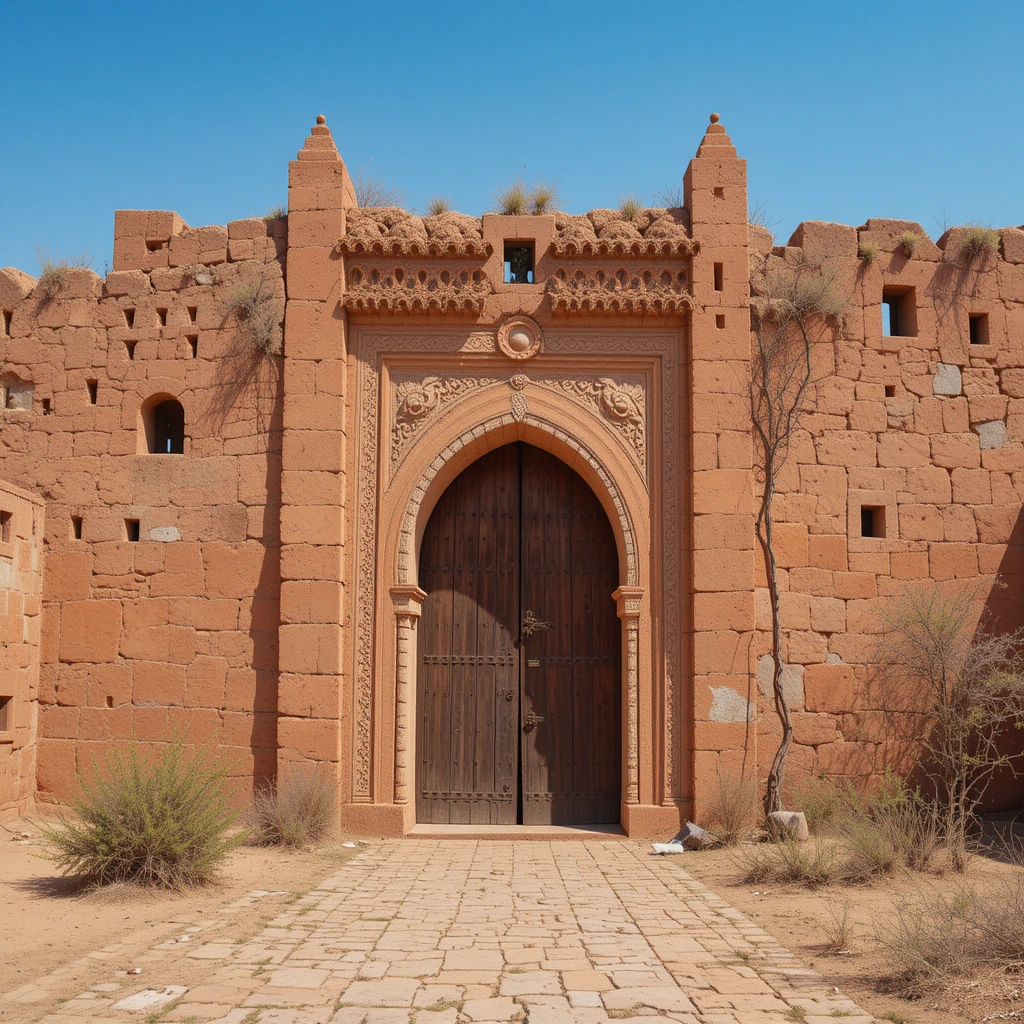
- Risks: Persistent street harassment and scams.
- Tips: Dress modestly and consider traveling with a group.
16. Philippines

- Risks: Terrorism and kidnapping risks in specific areas.
- Tips: Avoid high-risk regions and use official transportation.
17. Kenya
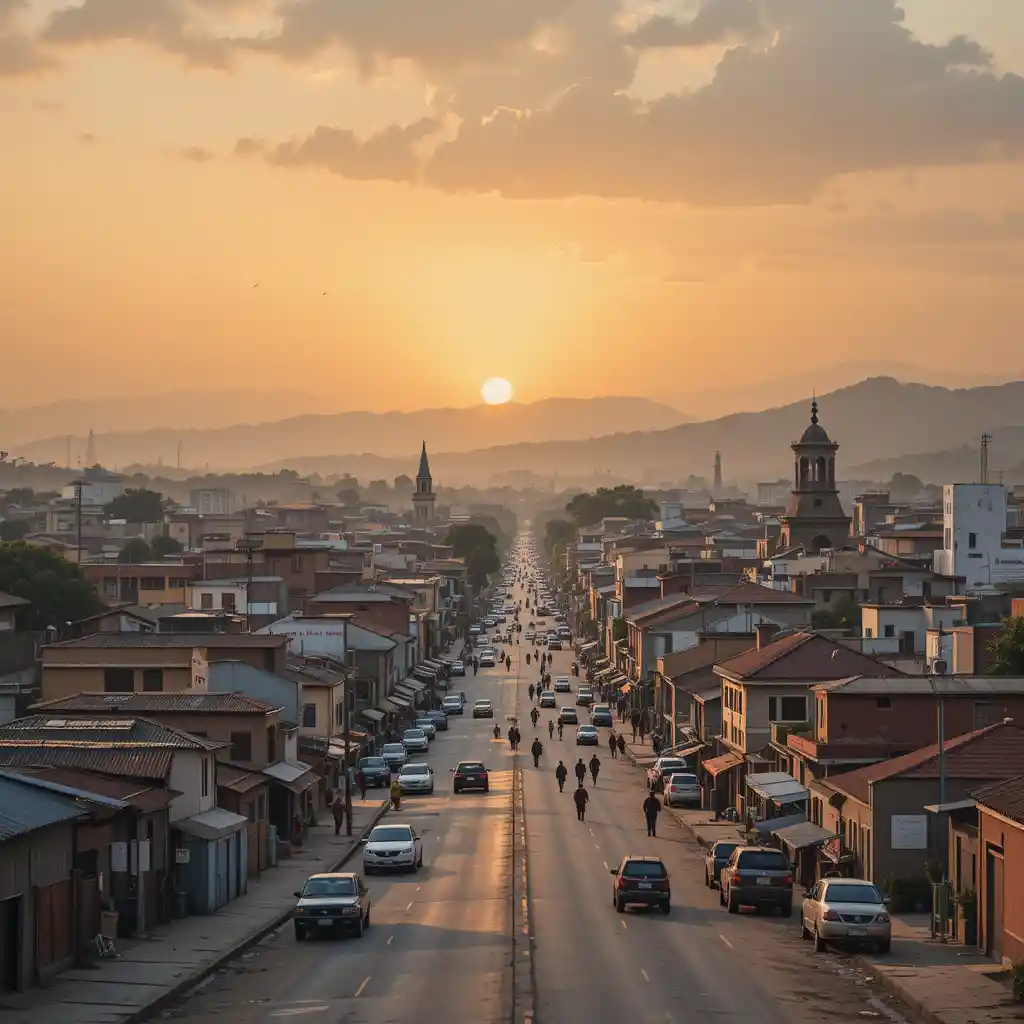
- Risks: Carjackings and terrorism threats.
- Tips: Stick to safari tours and avoid traveling at night.
18. Ukraine
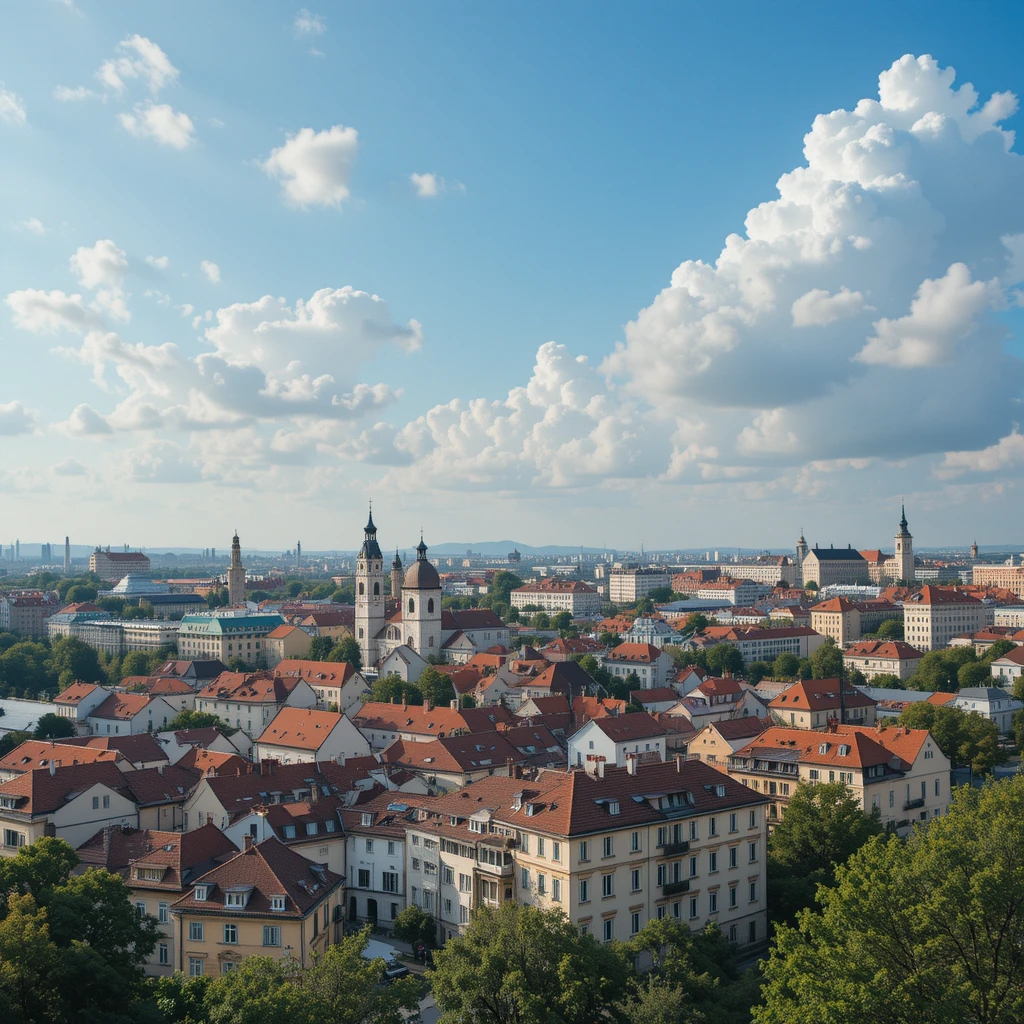
- Risks: Ongoing conflict zones and safety concerns in certain areas.
- Tips: Stay informed about local developments and avoid border regions.
19. Thailand
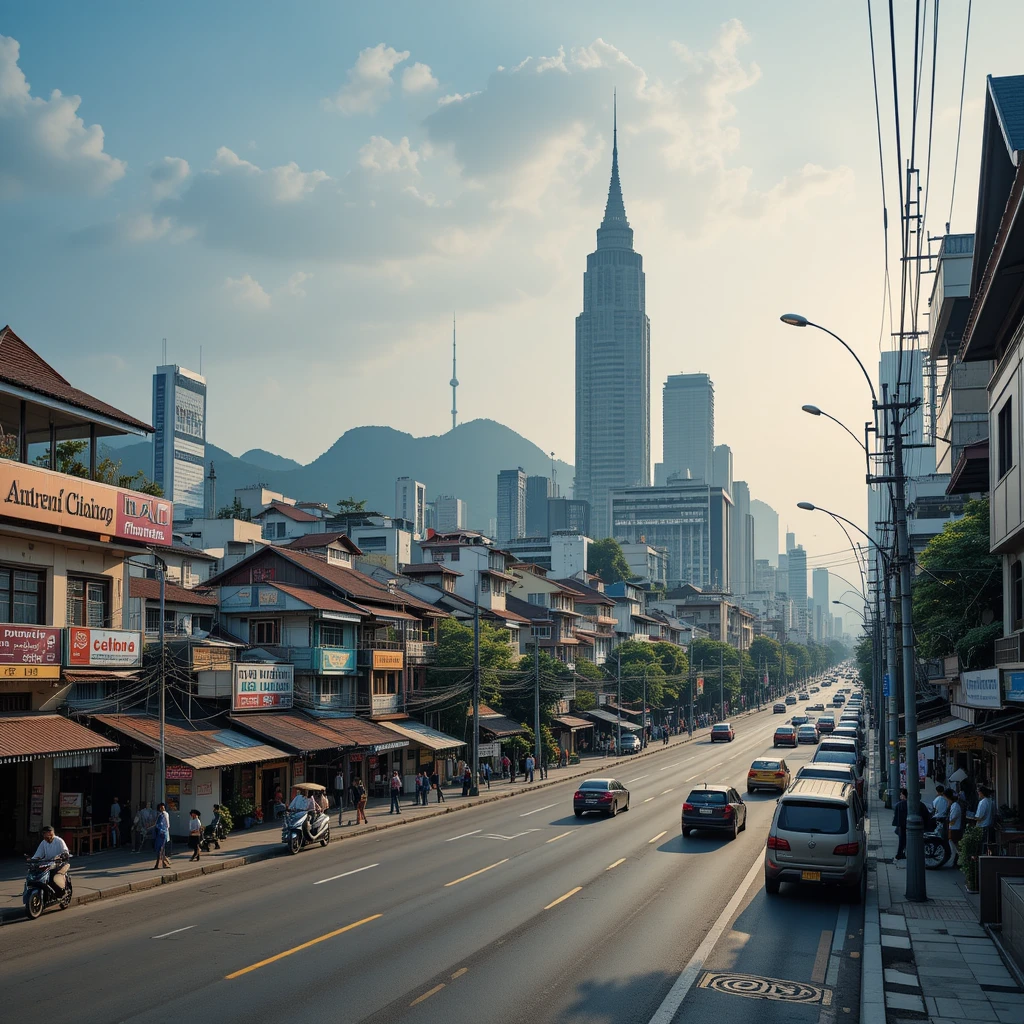
- Risks: Drug-related crimes and scams.
- Tips: Stay vigilant in nightlife districts and avoid accepting drinks from strangers.
20. United States

- Risks: Gun violence and sexual assault rates.
- Tips: Research specific cities and neighborhoods before visiting.
How to Stay Safe While Traveling
Practical Tips for Women Travelers
- Stay Connected: Share your itinerary with someone you trust.
- Blend In: Avoid drawing attention by dressing modestly and behaving respectfully.
- Be Cautious: Trust your instincts. If something feels off, leave the area.
Tools and Resources for Safety
- Safety Apps: Consider downloading apps like bSafe or Noonlight for quick emergency assistance.
- Travel Insurance: Ensure your policy covers theft, medical emergencies, and trip cancellations.
- Embassy Contacts: Keep a list of local embassy or consulate numbers handy.
FAQs: Common Questions About Women’s Travel Safety
What are the most dangerous places for solo women travelers?
The most dangerous locations include areas with high crime rates, cultural restrictions, or political instability. Examples include India, South Africa, and Saudi Arabia.
How can women stay safe in high-risk areas?
Research extensively, dress conservatively, avoid traveling alone at night, and use trusted local guides.
Are there resources specifically for female travelers?
Yes, resources like online communities (e.g., Solo Female Travelers Network) and safety apps (e.g., SafeTrek) can be invaluable.
What cultural norms should women be aware of in conservative countries?
Conservative countries often have specific dress codes and gender-based behavior expectations. Researching these norms can help you navigate safely.
Conclusion: Empowered Travel Through Awareness
Traveling as a woman doesn’t have to be dangerous if you’re equipped with the right knowledge. By understanding the risks, respecting local customs, and taking precautions, you can explore the world confidently. Remember, the goal is not to avoid these places altogether but to navigate them wisely. Safe travels await those who prepare.
Have you faced challenges while traveling as a woman? Share your stories in the comments and inspire others to travel safely and fearlessly!
Plan this trip smarter
Use this guide as a starting point, then compare dates, accommodation areas and transport before booking. The best budget trips usually come from a simple route, fewer base changes and one or two memorable paid experiences.
Budget snapshot
| Cost area | Smart planning note |
|---|---|
| Accommodation | Book near the main area you will actually use, not only the cheapest map result. |
| Transport | Limit long transfers and group nearby stops into the same day. |
| Food | Mix local casual meals with one higher-value experience. |
| Activities | Choose the paid experience that defines the trip, then use free viewpoints, walks and beaches around it. |